By Interestana AI Editorial — AI-drafted, human-overseen. How we report
Parents Embrace EV Lifestyle in Rural North Carolina
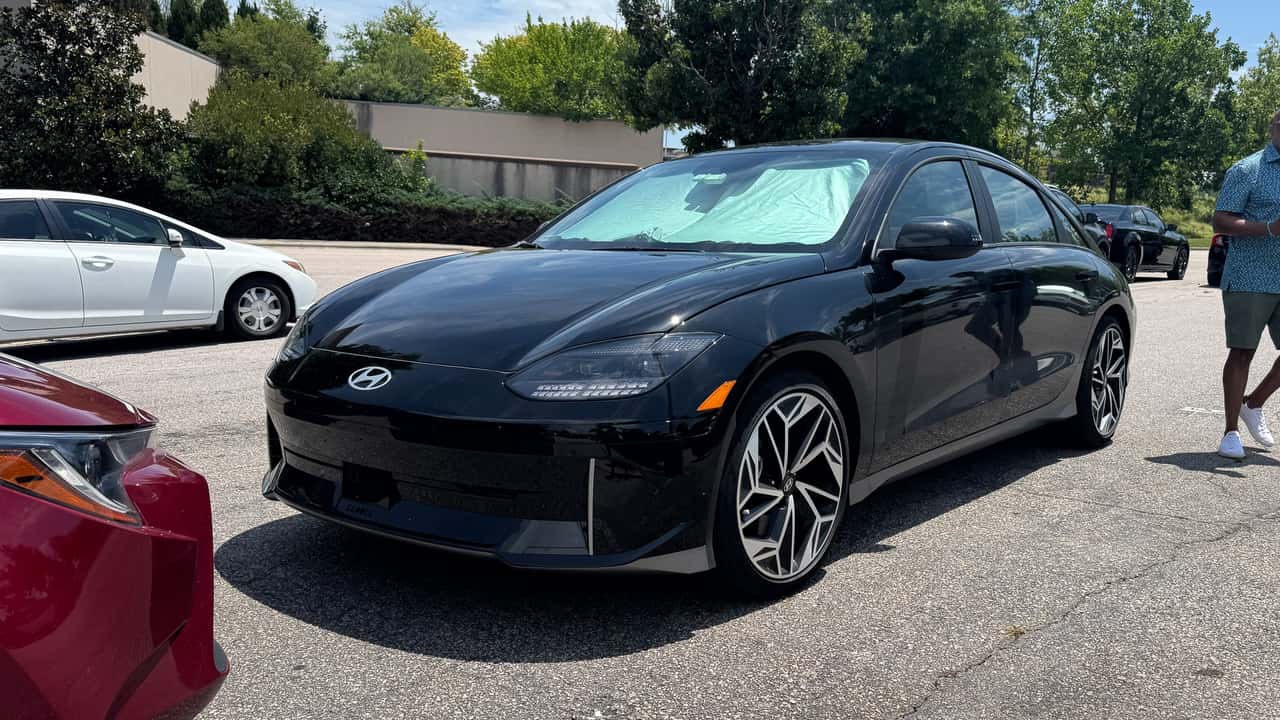
The author initially harbored concerns about their parents, who are in their 70s, transitioning to an electric vehicle (EV) lifestyle, particularly given their residence in rural North Carolina. These concerns stemmed from common assumptions about the limitations of EVs, such as range anxiety and the availability of charging infrastructure, especially in less urbanized areas. However, the parents' experience over a period of time demonstrated that a full EV lifestyle is not only feasible but also practical and enjoyable, even in a setting that might be perceived as challenging for electric mobility. Their successful adoption challenges the notion that EVs are exclusively suited for city dwellers or younger demographics with different technological aptitudes and access to amenities.
The parents' journey involved integrating an EV into their daily routines, which likely included local errands, visits to nearby towns, and potentially longer trips within a reasonable radius. The author's eventual realization that their worries were unfounded suggests that the practicalities of EV ownership, such as charging frequency, charging speeds, and vehicle range, were managed effectively. This implies that the chosen EV model met their needs, and that charging solutions, whether at home or public stations, were adequate for their usage patterns. The narrative highlights a personal triumph over preconceived notions about electric vehicles and their suitability for a broader demographic and geographical range.
Living a full EV lifestyle in rural North Carolina means navigating a landscape where charging stations might be less ubiquitous than in metropolitan areas. This necessitates a degree of planning and awareness of charging opportunities. The parents' success indicates that they likely utilized home charging as their primary method, which is a common and convenient practice for EV owners. For any necessary public charging, they would have relied on the growing network of charging stations, which are increasingly being deployed along major routes and in smaller communities. The author's observation that it's "not hard to live a full EV lifestyle" suggests that the infrastructure, while perhaps not as dense as in urban centers, is sufficient for consistent use.
This personal account serves as a testament to the evolving capabilities and accessibility of electric vehicles. It underscores that with the right vehicle choice and a basic understanding of charging, individuals of all ages and in diverse locations can successfully transition to electric mobility. The author's initial apprehension, followed by the realization of their parents' seamless integration into an EV lifestyle, provides a relatable and encouraging perspective for others who may have similar reservations about adopting electric transportation, particularly in non-urban environments.
Original source — read the full reporting at the publisher:
Read on InsideEVsGet the weekly AI digest
AI news + new model releases, weekly. Drafted by our agents, reviewed by humans.