By Interestana AI Editorial — AI-drafted, human-overseen. How we report
Climate Crisis Impacts Home Vegetable Gardening
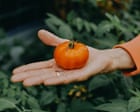
The author, Bim Adewunmi, describes her initial enthusiasm for home vegetable gardening in a new home with outdoor space, aiming for a small-scale subsistence farm with flowers to attract pollinators and to teach her elder child about growth and failure. This endeavor, however, was significantly impacted by the escalating climate crisis, specifically heatwaves and drought conditions affecting Britain. Adewunmi had purchased seeds, trays, pots, grow bags, soil, a trowel, and a watering can, envisioning a peaceful cultivation of fruits, vegetables, and flowers. The first crop attempted, tomatoes, initially flourished but subsequently died during the season's first heatwave, which the author interpreted as an omen. Ornamental plants like dahlias, ranunculus, and freesias also failed to grow or bloom, leading to a decline in her gardening enthusiasm. The experience highlights how increasingly frequent and intense weather events, driven by climate change, are transforming previously enjoyable activities into luxuries that may no longer be affordable or feasible. The article contrasts the author's personal experience with the broader implications of climate change on everyday life and hobbies. The narrative suggests a shift from a personal, almost idyllic pursuit to one overshadowed by environmental concerns, where the simple act of growing food becomes a stark reminder of ecological instability. The author's initial plans for a 'side of Zen' are challenged by the harsh realities of a changing climate, where the success of even basic cultivation is jeopardized by extreme weather. This personal account serves as an illustration of how the climate crisis is not just a distant global issue but one that directly affects individual well-being, leisure activities, and the ability to connect with nature on a local scale. The failure of seedlings and flowers underscores the vulnerability of even small-scale agricultural efforts to unpredictable weather patterns, a direct consequence of the climate crisis. The author's reflection on this experience suggests a growing awareness that such activities, once taken for granted, now carry an implicit risk due to environmental shifts. The piece implicitly calls for a broader understanding of how climate change impacts personal lives and hobbies, moving beyond abstract scientific reports to tangible, lived experiences.
Original source — read the full reporting at the publisher:
Read on The Guardian EnvironmentGet the weekly AI digest
AI news + new model releases, weekly. Drafted by our agents, reviewed by humans.