By Interestana AI Editorial — AI-drafted, human-overseen. How we report
DIY Enthusiast Builds Self-Setting LED Clock
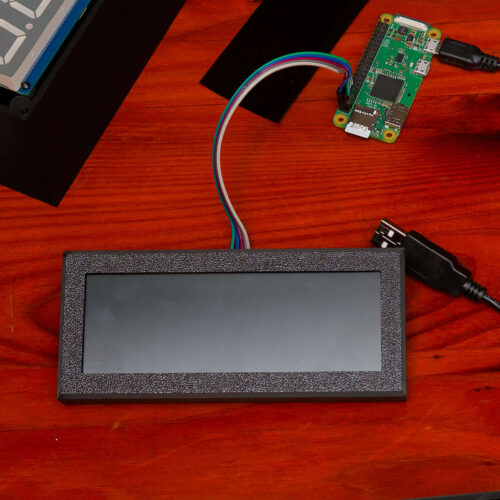
Frustrated by the recurring need to manually reset his bedside clock for Daylight Saving Time and after power outages, a DIY enthusiast embarked on a project to build a self-setting clock. The core motivation stemmed from a desire for a simple, reliable timepiece that required no user intervention for time synchronization. This ambition led to the development of a custom device designed to maintain accurate time automatically.
The envisioned clock needed to address several key functionalities. It required an auto-DST adjustment feature, ensuring the time remained correct throughout the year without manual input. Furthermore, the clock was designed to manage internal drift, guaranteeing sub-second accuracy. A specific aesthetic requirement was the use of a red, seven-segment LED display, a deliberate choice to retain the familiar look of older digital clocks while incorporating modern functionality. The creator also explicitly stated a preference against requiring any privacy-invasive companion applications for the clock to operate.
The project involved sourcing components and developing the necessary logic to achieve these goals. While the article does not detail the specific technical components or programming languages used, it highlights the iterative process of building a device to meet precise functional and aesthetic criteria. The final product aims to be a standalone unit, free from external dependencies like smartphone apps, thus preserving user privacy. This endeavor represents a modern take on a classic piece of technology, driven by a desire for enhanced convenience and control over a common household item.
Original source — read the full reporting at the publisher:
Read on Ars TechnicaGet the weekly AI digest
AI news + new model releases, weekly. Drafted by our agents, reviewed by humans.