By Interestana AI Editorial — AI-drafted, human-overseen. How we report
Biogents Mosquito Trap Offers Relief After Other Methods Fail
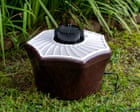
After exhausting numerous methods to combat mosquito bites, including removing standing water, applying various chemical repellents like Deet and picaridin, and using natural oils such as eucalyptus, a reviewer found relief with Biogents' mosquito traps. The reviewer, who experiences significant and long-lasting reactions to mosquito bites, detailed a history of unsuccessful attempts to find effective prevention strategies. These attempts included wearing protective clothing like hats and long sleeves, often treated with repellents, none of which provided adequate protection against the persistent insect nuisance. The personal experimentation with a wide array of deterrents underscores the common struggle many individuals face in managing mosquito populations in their yards and personal spaces.
The Biogents mosquito trap, priced at $200, was tested as a potential solution to these ongoing issues. This particular trap is noted for its use by prominent public health organizations, specifically the Centers for Disease Control and Prevention (CDC) and the World Health Organization (WHO). The endorsement by such bodies suggests a level of scientific validation and proven efficacy in mosquito control. The reviewer's decision to test this specific product stemmed from the failure of conventional and alternative methods to provide a satisfactory outcome, highlighting a need for a more robust and reliable intervention. The article implies that the trap's design and operational principles are engineered to attract and capture mosquitoes, thereby reducing their presence in the immediate vicinity.
While the provided text does not detail the specific scientific mechanisms behind the Biogents trap's operation, its adoption by the CDC and WHO indicates a reliance on established entomological principles for mosquito attraction and capture. These principles often involve mimicking human attractants such as carbon dioxide, body odor, and heat, or utilizing specific light wavelengths to lure insects into a capture device. The effectiveness of such traps is crucial for public health, as mosquitoes are vectors for numerous diseases, including West Nile virus, Zika virus, and malaria, depending on the geographical region. The reviewer's personal experience suggests that the $200 investment in the Biogents trap may offer a worthwhile solution for individuals plagued by persistent mosquito problems, providing a level of relief that other methods failed to deliver. The article frames the trap as a German-engineered solution, hinting at a focus on precision and advanced technology in its development.
Original source — read the full reporting at the publisher:
Read on The Guardian EnvironmentGet the weekly AI digest
AI news + new model releases, weekly. Drafted by our agents, reviewed by humans.