By Interestana AI Editorial — AI-drafted, human-overseen. How we report
Porsche Taycan Challenges EV Gear Simulation Debate
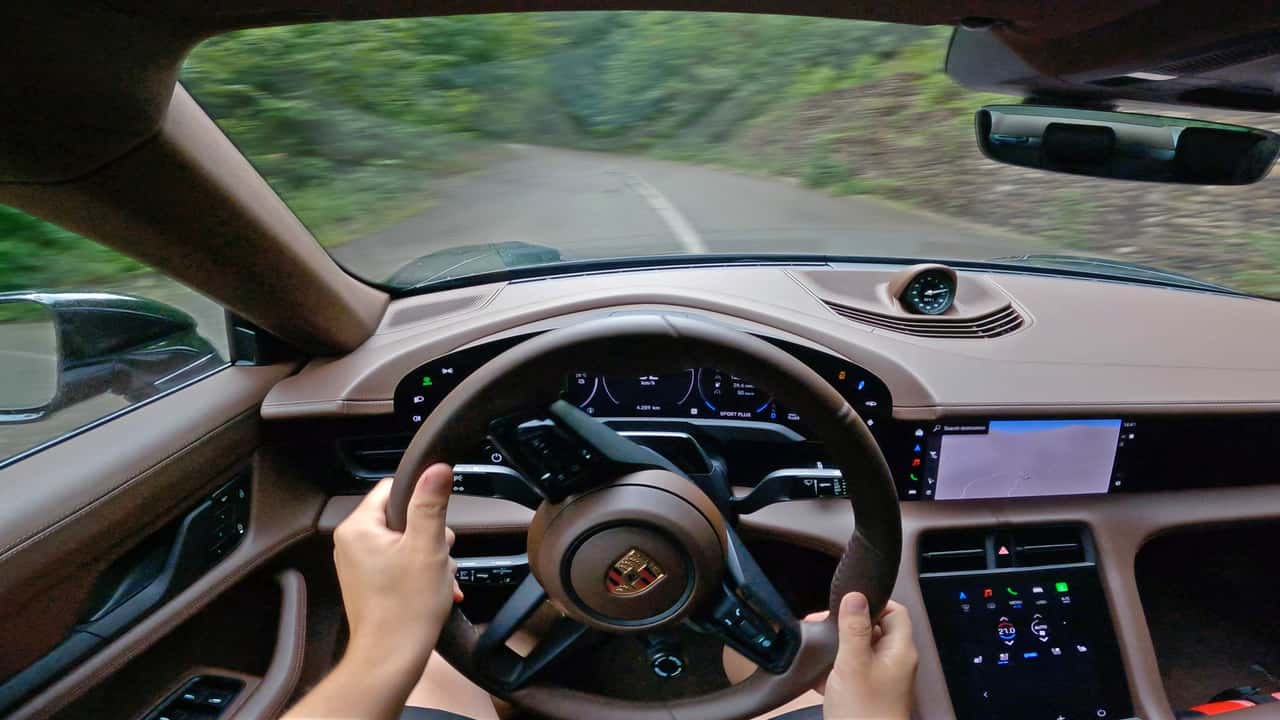
The debate surrounding the necessity of simulated engine sounds and gear shifts in electric vehicles (EVs) has been a recurring theme in automotive discussions, with proponents arguing that these artificial elements enhance driver engagement. However, a recent driving experience with the Porsche Taycan challenges this notion, suggesting that superior engineering can deliver a compelling driving sensation without relying on such simulations. The Taycan, a high-performance electric sedan from the German automaker Porsche, has been lauded for its dynamic handling and responsive acceleration, characteristics often associated with traditional internal combustion engine (ICE) vehicles. This particular review highlights that the Taycan's inherent performance capabilities, derived from its advanced electric powertrain and chassis tuning, provide a level of driver connection that transcends the need for artificial auditory or tactile feedback.
Historically, the transition to EVs has presented manufacturers with the challenge of replicating the sensory feedback that drivers have become accustomed to with ICE cars. This feedback includes the audible growl of an engine under load, the subtle vibrations transmitted through the steering wheel and pedals, and the distinct sensation of gear changes. To bridge this gap, many EV manufacturers have incorporated sophisticated sound design and artificial gear shifting algorithms into their vehicles. These systems aim to mimic the aural and kinesthetic cues of ICE performance, with the goal of making the driving experience feel more familiar and exciting for a broader audience. Companies have invested significant resources in developing these technologies, often employing teams of sound engineers and software developers to create convincing simulations.
Despite these efforts, the effectiveness and desirability of such simulations remain a point of contention. Critics argue that these artificial enhancements can feel inauthentic and detract from the unique advantages of electric propulsion, such as instant torque and silent operation. The argument is that EVs should embrace their distinct characteristics rather than attempting to masquerade as something they are not. The Porsche Taycan, in this context, serves as a powerful counterexample. Its engineering prowess allows it to deliver exhilarating performance and a deeply engaging driving experience through its core electric architecture. The vehicle's ability to provide a visceral connection to the road, its precise steering, and its rapid acceleration are presented as organic outcomes of its design, rather than manufactured sensations. This suggests that the future of engaging EVs may lie in refining their inherent electric capabilities rather than overlaying simulated ICE characteristics.
The implications of this perspective extend to the broader automotive industry. As EV technology matures, manufacturers are increasingly focusing on optimizing the fundamental driving dynamics of their electric models. This includes advancements in battery technology for better power delivery, electric motor efficiency for superior performance, and sophisticated chassis and suspension systems for enhanced handling and ride comfort. The success of vehicles like the Taycan indicates a potential shift in consumer expectations, where authenticity and the pure expression of electric performance may be valued over imitative simulations. The focus may increasingly be on how well an EV performs as an EV, leveraging its unique strengths to create a compelling and satisfying driving experience that stands on its own merits.
Original source — read the full reporting at the publisher:
Read on InsideEVsGet the weekly AI digest
AI news + new model releases, weekly. Drafted by our agents, reviewed by humans.