By Interestana AI Editorial — AI-drafted, human-overseen. How we report
Pedestrians Swear at Plovers Defending Nests
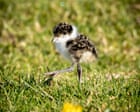
The behavior of spur-winged plovers, particularly their aggressive defense of nests, elicits strong reactions from the public, ranging from animosity to admiration. In early September, a pair of spur-winged plover chicks hatched, immediately displaying remarkable mobility on their long, stilt-like legs. These chicks, described as fluffy brown and white cotton balls, were vulnerable from birth, relying on their mother's protection. The nests themselves are often created in "ridiculously vulnerable areas," according to the author, which can lead to direct confrontations with humans. Many individuals perceive these defensive actions as violent and despise the birds for them. This perception often manifests as pedestrians swearing at plovers when they engage in swooping behavior to protect their young. The intensity of the plovers' defense is a direct response to the perceived threat to their offspring. Spur-winged plovers, also known as masked lapwings, are ground-nesting birds that lay their eggs in shallow scrapes on the ground, often in open, exposed locations. This nesting strategy, while common for many ground-dwelling species, makes the eggs and chicks highly susceptible to predation and disturbance. The birds' defensive repertoire includes loud alarm calls, aggressive aerial displays, and direct swooping attacks aimed at deterring potential threats, which can include humans, dogs, and other animals. The author notes a contrasting sentiment within their own community, where a devotion to the plovers has developed despite, or perhaps because of, their fierce protective instincts. This suggests a divergence in how the public perceives and interacts with wildlife, particularly when nesting behaviors create conflict. While some view the plovers' actions as a nuisance or even a threat, others come to appreciate the birds' tenacity and commitment to their offspring. This appreciation can stem from observing the birds' dedication over time or from a broader understanding of their ecological role and the challenges they face. The experience described highlights the complex relationship between humans and urban or suburban wildlife, where shared spaces can lead to both conflict and coexistence. The plovers' vulnerability and their determined efforts to ensure the survival of their young can, for some, foster a sense of respect and admiration for the resilience of nature. The narrative implies that understanding the motivations behind animal behavior, such as the instinct to protect vulnerable young, can shift human perceptions from annoyance to empathy. The stark contrast between those who swear at the birds and those who admire them underscores the subjective nature of human-wildlife interactions and the varied responses to natural behaviors that intersect with human activities.
Original source — read the full reporting at the publisher:
Read on The Guardian EnvironmentGet the weekly AI digest
AI news + new model releases, weekly. Drafted by our agents, reviewed by humans.