By Interestana AI Editorial — AI-drafted, human-overseen. How we report
Hamilton Debated Ferrari's Wet Tyre Choice in Bahrain
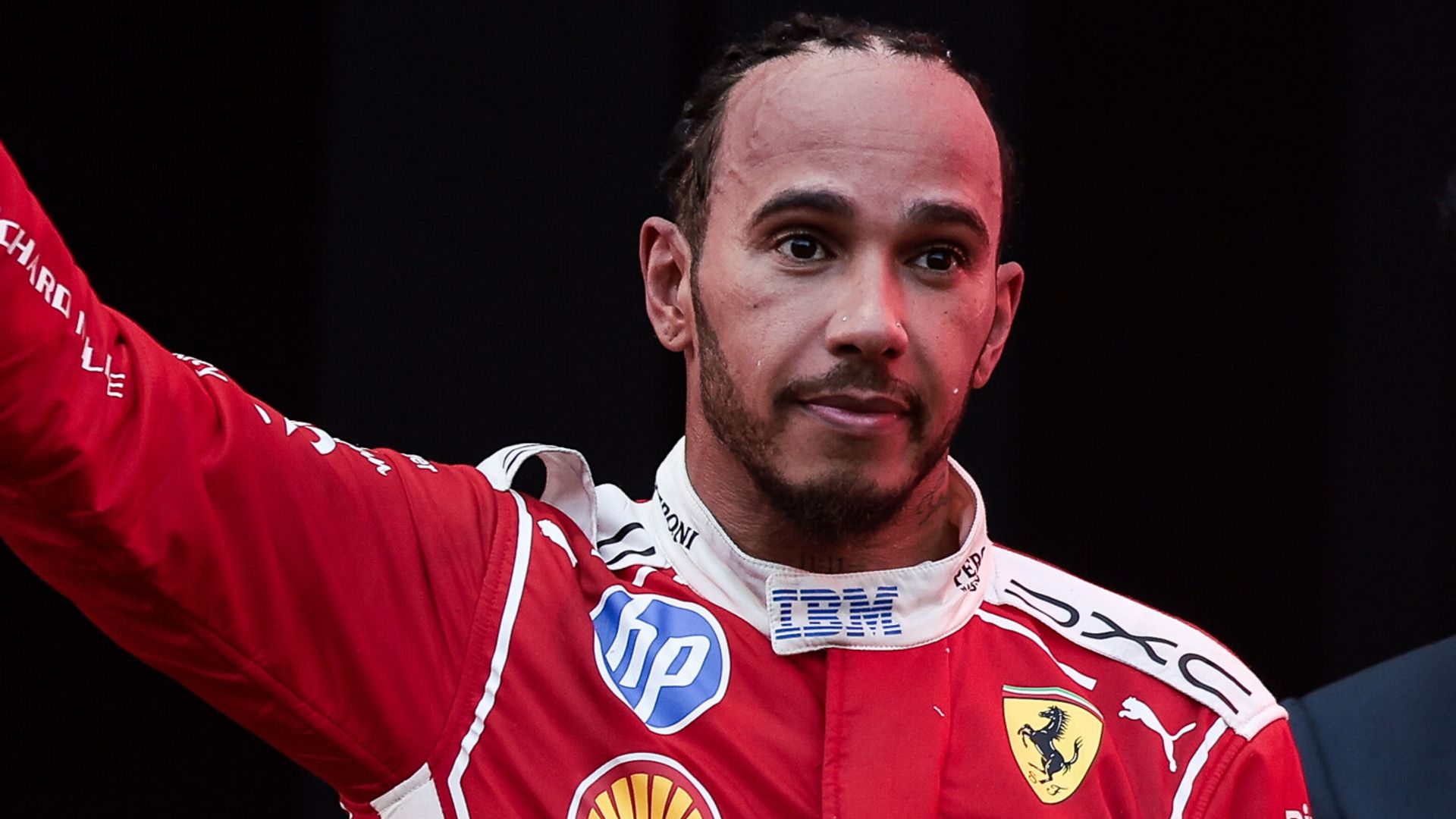
Lewis Hamilton has disclosed that he urged his Ferrari team to begin the Bahrain Grand Prix on intermediate tyres, a recommendation that was ultimately not followed, leading to a difficult start for the team. The seven-time Formula 1 world champion stated that he expressed his concerns about the track conditions, describing the situation as "wet" and advocating for tyres better suited to damp surfaces. However, Ferrari opted for slick tyres, a decision that proved detrimental to Hamilton's race performance from the outset.
This tyre choice significantly hampered Hamilton's ability to compete in the early stages of the race. Slick tyres are designed for dry conditions and offer maximum grip on a dry track. When used on a wet or damp surface, they provide very little traction, leading to reduced speed, difficulty in cornering, and an increased risk of spinning. The consequence for Hamilton was a loss of track position and an inability to challenge competitors who had made more appropriate tyre selections. The Bahrain International Circuit, where the Grand Prix was held, can experience rapid changes in track conditions, and the decision to go with slicks suggested an assessment that the track would dry quickly enough to favour that choice, an assessment that proved incorrect in the initial laps.
Hamilton's comments highlight the critical nature of strategic decisions in Formula 1, particularly concerning tyre management and race starts. The precise moment of switching tyre compounds can define a driver's race, and a miscalculation can result in a significant disadvantage that is difficult to overcome. The Bahrain Grand Prix is the opening race of the Formula 1 season, and a strong performance is crucial for setting the tone for the year. Ferrari, one of the sport's most historic and successful teams, is under constant pressure to deliver championship-contending results, making such strategic errors particularly scrutinized. The team's technical and strategic departments work collaboratively to make these high-stakes decisions, often based on real-time data from the car and track conditions, as well as forecasts.
The outcome of this particular tyre decision meant Hamilton had to fight his way back through the field, a challenging task given the competitive nature of modern Formula 1. While drivers can often recover positions, the initial deficit created by an incorrect tyre choice can consume valuable race time and tyre life, impacting later strategic options. Hamilton's experience underscores the fine margins involved in motorsport strategy and the importance of accurate weather and track condition assessments. The team's ability to adapt and recover from such early setbacks is a testament to their operational capabilities, but the initial misjudgment remained a significant factor in the race's narrative for the British driver.
Original source — read the full reporting at the publisher:
Read on Sky Sports FootballGet the weekly AI digest
AI news + new model releases, weekly. Drafted by our agents, reviewed by humans.