By Interestana AI Editorial — AI-drafted, human-overseen. How we report
Ross McElwee's 'Remake' Explores Grief Through Home Movies
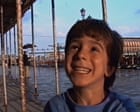
Filmmaker Ross McElwee has created a new documentary titled 'Remake,' which delves into the profound themes of unimaginable loss, grief, and guilt following the death of his son, Adrian, at the age of 27. The film's genesis lies in McElwee's extensive collection of home movies, which he meticulously filmed of Adrian from infancy through adulthood, capturing significant moments and developmental turns in his son's life. Initially, the director found it almost unbearable to revisit these recordings after the tragedy, but eventually, the footage became the core material for this deeply personal and extraordinary project. McElwee's approach to filmmaking has historically involved framing himself, his friends, and his family, with a particular focus on documenting Adrian's life over time. He would film his son for a few minutes each month, a practice that now, in the wake of Adrian's death, casts a somber shadow over the seemingly ordinary moments captured. The director confronts the unsettling realization that perhaps every home movie inherently carries the essence of a ghost story, a premonition of absence. 'Remake' is described not as a film McElwee would have ever chosen to make, but rather as a grief-struck tour-de-force. It is lauded as a magnificent exploration of filmmaking itself and its tangible repercussions in the real world. McElwee's motivation for filming Adrian was rooted in love, but he now grapples with the fear that his act of filming might have inadvertently caused harm. Consequently, he meticulously sifts through the accumulated footage, searching for clues and insights into his son's life and death. In a poignant and direct address to his son, McElwee speaks as if Adrian were still present, stating, 'I look at the footage to convince myself that you were alive, but also to convince myself that you’re gone.' This statement encapsulates the film's central tension: the struggle to reconcile the vivid presence of the past captured on film with the stark reality of present absence. The documentary offers a profound meditation on memory, loss, and the enduring power of the cinematic image to both preserve and confront the irretrievable.
Original source — read the full reporting at the publisher:
Read on The Guardian CultureGet the weekly AI digest
AI news + new model releases, weekly. Drafted by our agents, reviewed by humans.