By Interestana AI Editorial — AI-drafted, human-overseen. How we report
Cloudbursts Devastate Kashmir Mountain Communities
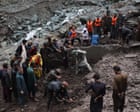
Deadly cloudbursts, exacerbated by increasingly erratic weather patterns attributed to climate change, have devastated mountain communities in Indian-administered Kashmir, leading to the loss of homes, crops, and livestock. On July 19, a cloudburst struck the Pir Panjal mountains, impacting remote villages like Murrah. Haji Mohammad Latief, a resident of Murrah, recounted how he had just moved his family's car to a safer location as the rain intensified before a torrent of mud, boulders, and water descended the hillside within minutes. This event highlights the vulnerability of these high-altitude regions to extreme weather phenomena.
Cloudbursts are characterized by a sudden, intense rainfall event, often occurring in mountainous areas where the terrain can amplify the destructive force of the resulting flash floods. The increased frequency and intensity of such events in Kashmir are directly linked by experts to the broader impacts of climate change, which is altering global weather systems. These changes are leading to more unpredictable and severe weather, posing significant risks to communities living in geographically susceptible areas. The loss of property and livelihoods in these cloudbursts has profound economic and social consequences for the affected populations.
The destruction caused by these events extends beyond immediate damage. Homes are swept away, agricultural land is rendered unusable by mudslides and erosion, and livestock, often a primary source of income and sustenance for these communities, are lost. The recovery process is arduous, with limited infrastructure and resources in many remote mountain villages. Residents are left to rebuild their lives amidst the devastation, facing the daunting task of restoring their homes and re-establishing their livelihoods. The psychological toll on individuals and families who have experienced such catastrophic events is also significant, as they grapple with the trauma and uncertainty of future weather-related disasters.
Local residents express deep concern and a sense of helplessness as they witness the increasing frequency of these destructive events. The sentiment of "I just want to find them" reflects the desperate search for lost belongings, livestock, and even missing persons in the aftermath of a cloudburst. The reliance on traditional livelihoods, such as farming and animal husbandry, makes these communities particularly susceptible to climate-induced disruptions. The long-term implications of these recurring disasters necessitate urgent adaptation strategies and support mechanisms to enhance the resilience of Kashmir's mountain communities against the escalating threat of extreme weather.
Original source — read the full reporting at the publisher:
Read on The Guardian WorldGet the weekly AI digest
AI news + new model releases, weekly. Drafted by our agents, reviewed by humans.