By Interestana AI Editorial — AI-drafted, human-overseen. How we report
TSA Trials New Automated e-Gates at Charlotte Douglas Airport, Offering a Glimpse of Future Security
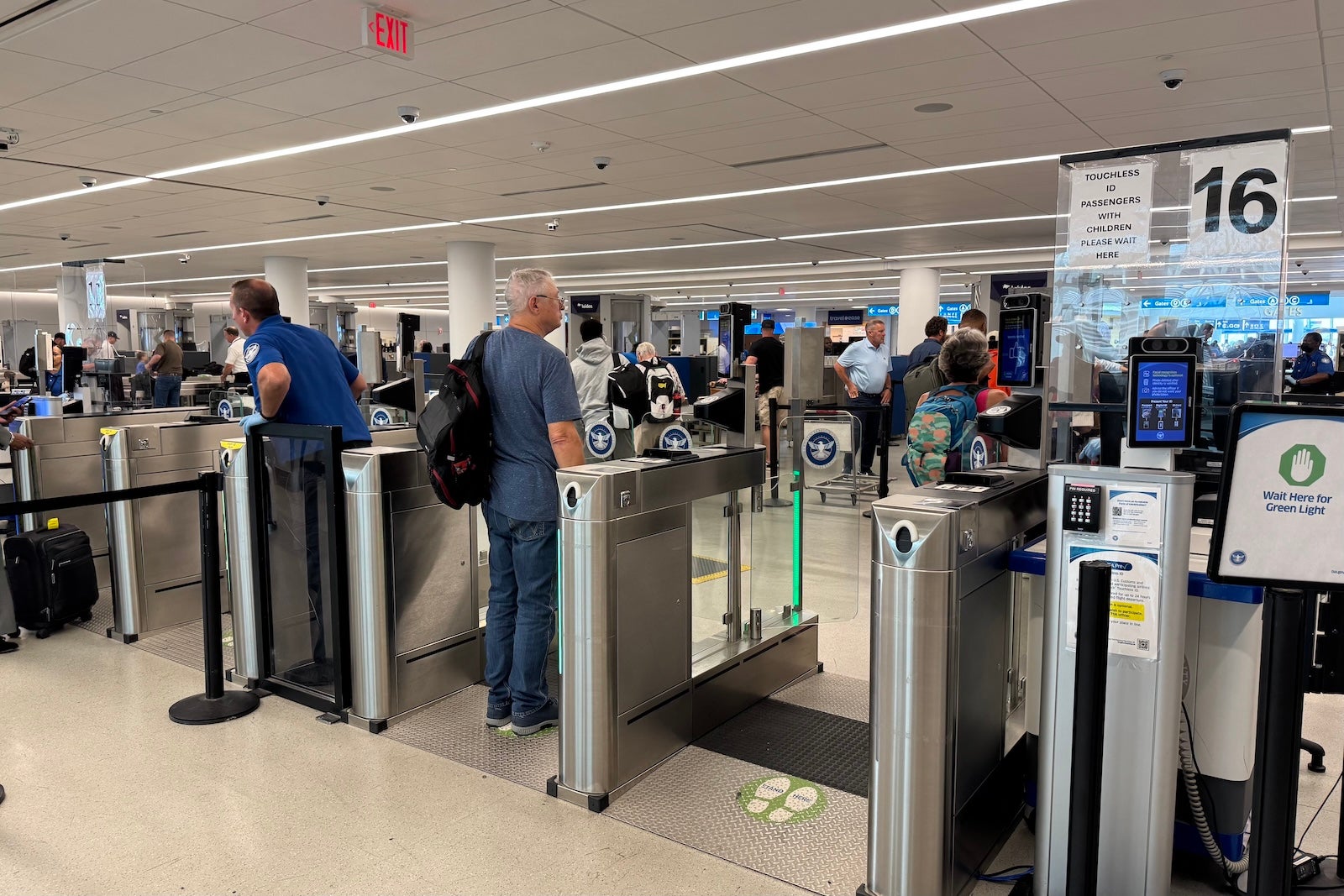
The Transportation Security Administration (TSA) has initiated a pilot program at Charlotte Douglas International Airport (CLT), one of the busiest airports on the East Coast, introducing innovative self-service "e-gates." This trial represents a significant step towards modernizing airport security in the United States, offering travelers a preview of what future security checkpoints might entail. The core of this new system lies in its automation of the initial identification verification process, a task traditionally handled by human officers. Instead, travelers using these e-gates engage directly with automated machines to scan their identification, have their photograph taken, and then proceed through electronic gates.
This pioneering initiative, the first of its kind at a U.S. security checkpoint, aims to enhance efficiency and potentially improve passenger flow. If the trial proves successful, the TSA may consider adopting this e-gate model at other airports nationwide, signaling a broader shift in security screening protocols. The e-gates are currently deployed across eight lanes at CLT's Security Checkpoint 2, a facility that handles a substantial volume of travelers. Access to these advanced lanes is exclusively for members of the TSA PreCheck program, a trusted traveler initiative that expedites the screening process for pre-approved individuals. Importantly, beyond the TSA PreCheck membership, travelers do not need to register for any special access or proceed to a separate queue.
The operational experience of the TSA's new e-gates is designed to be intuitive, with the overall setup drawing comparisons to automated security concepts already in place at several major airports across Europe. Passengers join the standard security line as they normally would. However, upon reaching the front, they are greeted not by a TSA officer, but by a series of automated booths equipped with clear electronic gates. The process for ID verification offers flexibility, accommodating different forms of identification. Travelers possessing a Real ID-compliant driver's license can utilize an ATM-style slot to insert their card. Alternatively, individuals with a passport can scan it on a designated reader. For those who have adopted digital identification, there is a specific point to tap their mobile ID. Following the successful scan or tap of their identification, a mounted camera captures the traveler's photograph. This facial recognition step is comparable to existing checkpoint procedures but is performed without immediate human intervention at this specific stage, allowing TSA officers to potentially reallocate their focus to other critical security functions.
The introduction of these e-gates at CLT is a tangible effort by the TSA to explore and integrate technological advancements that can bolster both passenger throughput and overall security effectiveness within its operational framework. The agency is meticulously monitoring the performance metrics and gathering feedback from passengers who utilize the e-gates. This data will be crucial in assessing the system's broader applicability and its potential for future widespread deployment across the national airport network.
Original source — read the full reporting at the publisher:
Read on The Points GuyGet the weekly AI digest
AI news + new model releases, weekly. Drafted by our agents, reviewed by humans.