By Interestana AI Editorial — AI-drafted, human-overseen. How we report
Nature Reserve Manager Embraces Wasp Colony in Office, Fostering Unexpected Bond
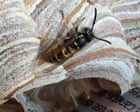
Eilish Rothney, the reserve manager for the Trinity Broads, a significant nature reserve managed by the Norfolk Wildlife Trust, has adopted an extraordinary approach to a wasp colony that has taken up residence within her office. This workspace is a converted shipping container situated in Norfolk, a county in East Anglia, England, known for its diverse natural landscapes. When wasps began entering her office through a rusted gap in the door one June morning, Rothney's immediate, and arguably conventional, reaction was to eliminate the insects. This is a common instinct for many individuals encountering stinging insects in their personal or professional spaces, often driven by a perception of threat or nuisance.
However, Rothney, whose role inherently involves a deep understanding and appreciation for wildlife and ecological processes, paused to reconsider her initial impulse. She questioned the necessity of eradicating the colony, a decision that deviates from typical human-wildlife interactions where perceived pests are often removed without further consideration. Instead of resorting to pest control measures, Rothney chose to coexist with the wasps. This decision has led to a profound shift in her perception of the insects, moving from one of apprehension to one of connection and even maternal affection. She describes the constant, ambient hum of the colony as a comforting and integral part of her working environment, transforming what could have been a source of stress into a unique form of companionship.
This unusual situation highlights a broader philosophical shift occurring in conservation and human-wildlife relations, particularly concerning species that are often misunderstood or feared. Rothney's role with the Norfolk Wildlife Trust, an established conservation charity founded in 1926 and dedicated to protecting and enhancing wildlife and habitats across Norfolk, undoubtedly informs her perspective. The trust manages a network of nature reserves and projects aimed at conserving biodiversity and fostering public engagement with the natural world. Rothney's experience, therefore, serves as a compelling illustration of the intricate and often surprising relationships that can develop between humans and wildlife, even in seemingly mundane or utilitarian settings like a converted shipping container office. Her acceptance of the wasp nest challenges conventional attitudes that often lead to the extermination of such insects, overlooking their vital ecological roles within local ecosystems. The wasps have integrated themselves directly into her daily working life by building their nest within the doorway, a testament to the unexpected ways nature can adapt and coexist. Her personal declaration of feeling "motherly towards them" underscores the depth of this unique interspecies relationship.
Original source — read the full reporting at the publisher:
Read on The Guardian EnvironmentGet the weekly AI digest
AI news + new model releases, weekly. Drafted by our agents, reviewed by humans.