By Interestana AI Editorial — AI-drafted, human-overseen. How we report
Hyundai Opens $5 Billion EV Battery Plant in Georgia
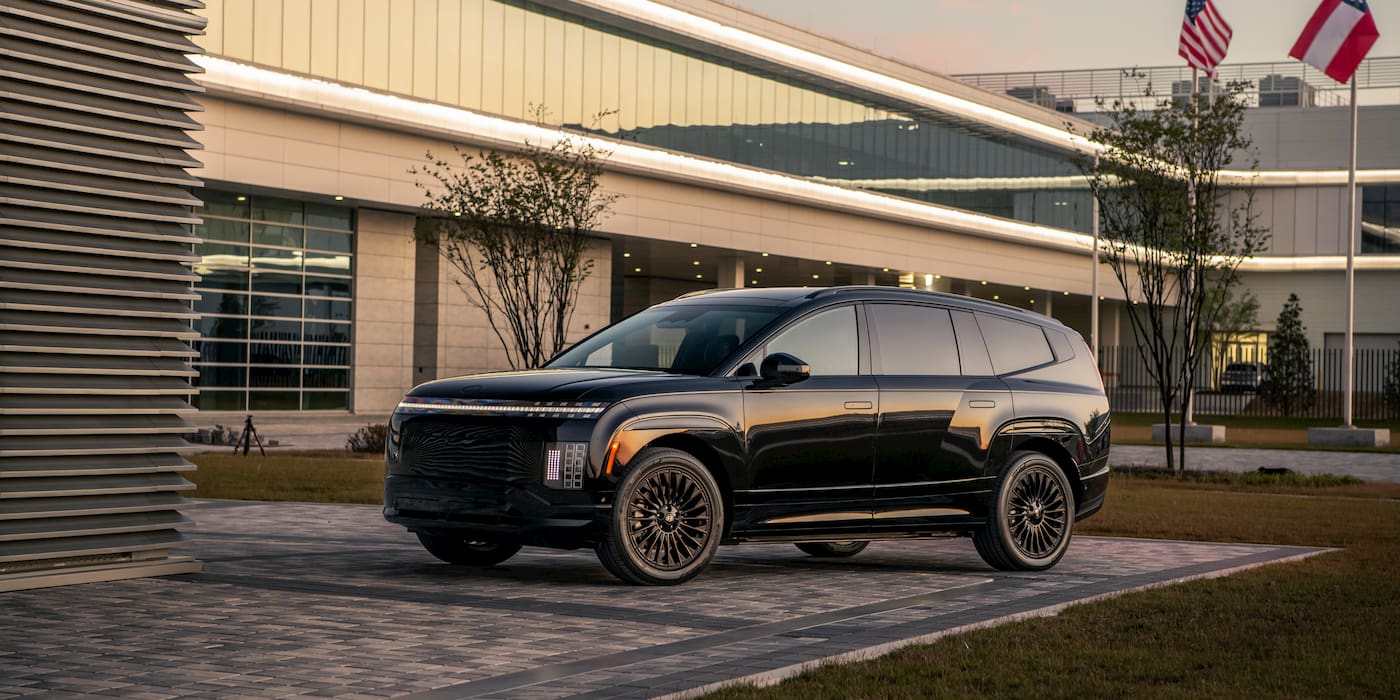
Hyundai Motor Group officially opened its $5 billion electric vehicle (EV) battery manufacturing plant in Bartow County, Georgia, this week. This facility is a significant joint venture with SK On, a leading global battery producer. The plant is designed to produce approximately 35 gigawatt-hours (GWh) of batteries annually, which is enough to power around 360,000 EVs. This substantial investment underscores Hyundai's commitment to expanding its EV production capacity and solidifying its position in the North American market.
The new plant is expected to create approximately 12,000 jobs in the region, contributing significantly to the local economy. Hyundai aims to leverage this facility to reduce its reliance on external battery suppliers and gain more control over its supply chain. The batteries produced at this Georgia plant will be used in Hyundai's upcoming EV models, including those under the Hyundai, Kia, and Genesis brands, which are slated for release in the coming years. This move is crucial for Hyundai's ambitious goal of becoming the second-largest EV manufacturer in the United States by 2030.
This strategic expansion aligns with the broader industry trend of automakers investing heavily in domestic battery production to meet growing demand and comply with evolving government regulations and incentives, such as those outlined in the Inflation Reduction Act. The facility's advanced manufacturing capabilities are expected to enhance the efficiency and quality of the batteries, further supporting Hyundai's competitive edge in the rapidly growing EV sector. The company has previously announced plans to invest over $10 billion in its US operations by 2025, with a significant portion dedicated to electrification.
Original source — read the full reporting at the publisher:
Read on ElectrekGet the weekly AI digest
AI news + new model releases, weekly. Drafted by our agents, reviewed by humans.