By Interestana AI Editorial — AI-drafted, human-overseen. How we report
Hyundai Plans Over 100 New Vehicles by 2030
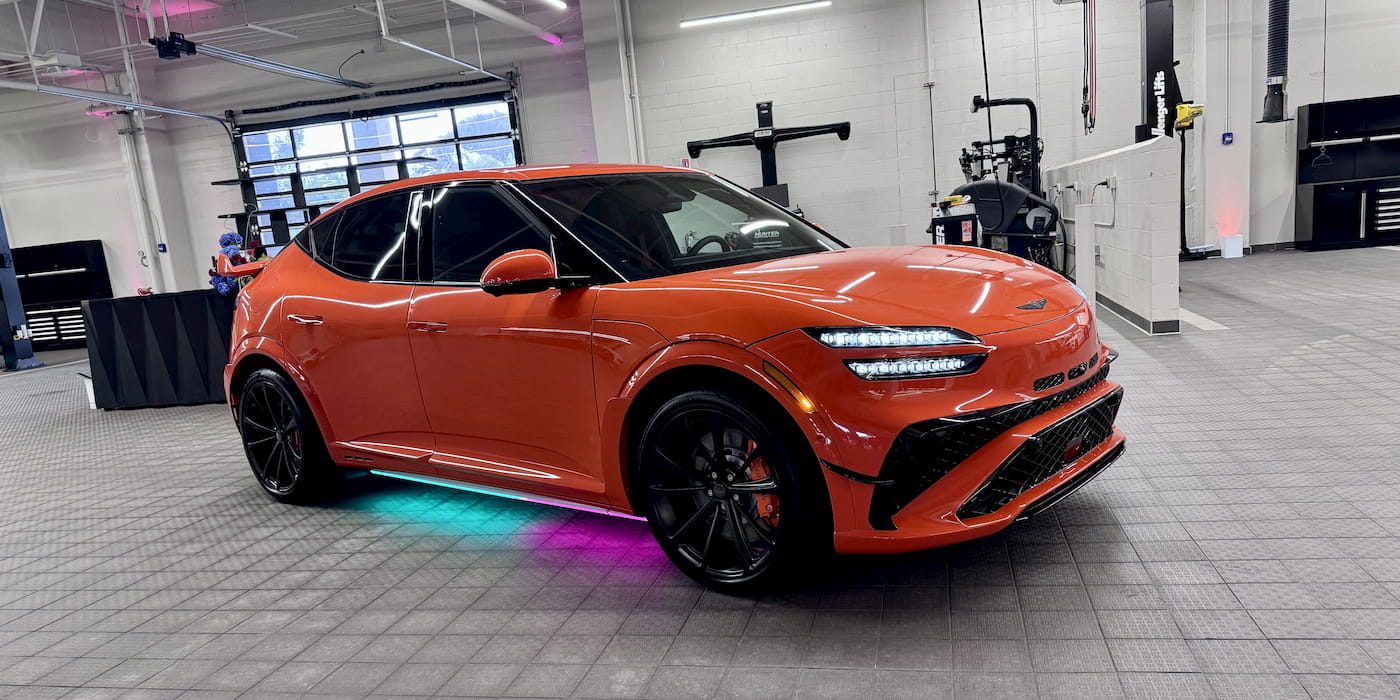
Hyundai Motor Company, encompassing its luxury Genesis brand, is poised for a significant product expansion, with plans to introduce over 100 new or updated vehicle models by the year 2030. This ambitious rollout includes the debut of Hyundai's first Extended-Range Electric Vehicles (EREVs), signaling a strategic shift towards diverse electrification options beyond fully battery-electric powertrains. The company's roadmap indicates a comprehensive refresh and introduction of models across its entire portfolio, aiming to maintain and enhance its market position in an increasingly competitive automotive landscape.
The initiative signifies Hyundai's commitment to a multi-pronged electrification strategy. While fully electric vehicles (EVs) remain a core focus, the introduction of EREVs suggests a pragmatic approach to addressing consumer concerns about charging infrastructure and driving range, particularly in markets where widespread charging availability is still developing. These EREVs are expected to combine electric propulsion with a small internal combustion engine acting as a generator to recharge the battery, thereby extending the vehicle's overall range. This strategy aims to bridge the gap for consumers who are not yet ready to commit to a fully electric vehicle but are interested in reducing their reliance on traditional gasoline power.
Beyond electrification, the plan involves substantial updates and new introductions across Hyundai's existing lineup, which spans various segments from compact cars to SUVs and potentially commercial vehicles. The Genesis brand is also slated for significant new model introductions and updates, reinforcing its premium positioning and expanding its luxury offerings. This broad product offensive is designed to cater to a wider range of consumer preferences and needs, ensuring Hyundai remains a relevant and attractive option for buyers globally. The company's investment in research and development for these new models is expected to be substantial, covering advancements in battery technology, autonomous driving features, and in-car connectivity.
This aggressive product cadence by 2030 underscores Hyundai's proactive stance in navigating the global automotive industry's transition towards sustainable mobility. By diversifying its electric offerings with EREVs and ensuring a consistent stream of updated and new internal combustion engine (ICE) and hybrid models, Hyundai aims to capture market share and meet evolving regulatory and consumer demands. The company's long-term vision involves not only expanding its vehicle portfolio but also enhancing its manufacturing capabilities and supply chain to support this accelerated product development cycle. The success of this plan will be crucial for Hyundai's competitive standing against other major automakers who are also investing heavily in future mobility solutions.
Original source — read the full reporting at the publisher:
Read on ElectrekGet the weekly AI digest
AI news + new model releases, weekly. Drafted by our agents, reviewed by humans.