By Interestana AI Editorial — AI-drafted, human-overseen. How we report
Hyundai, Kia Set U.S. Sales Records as EV Demand Falters
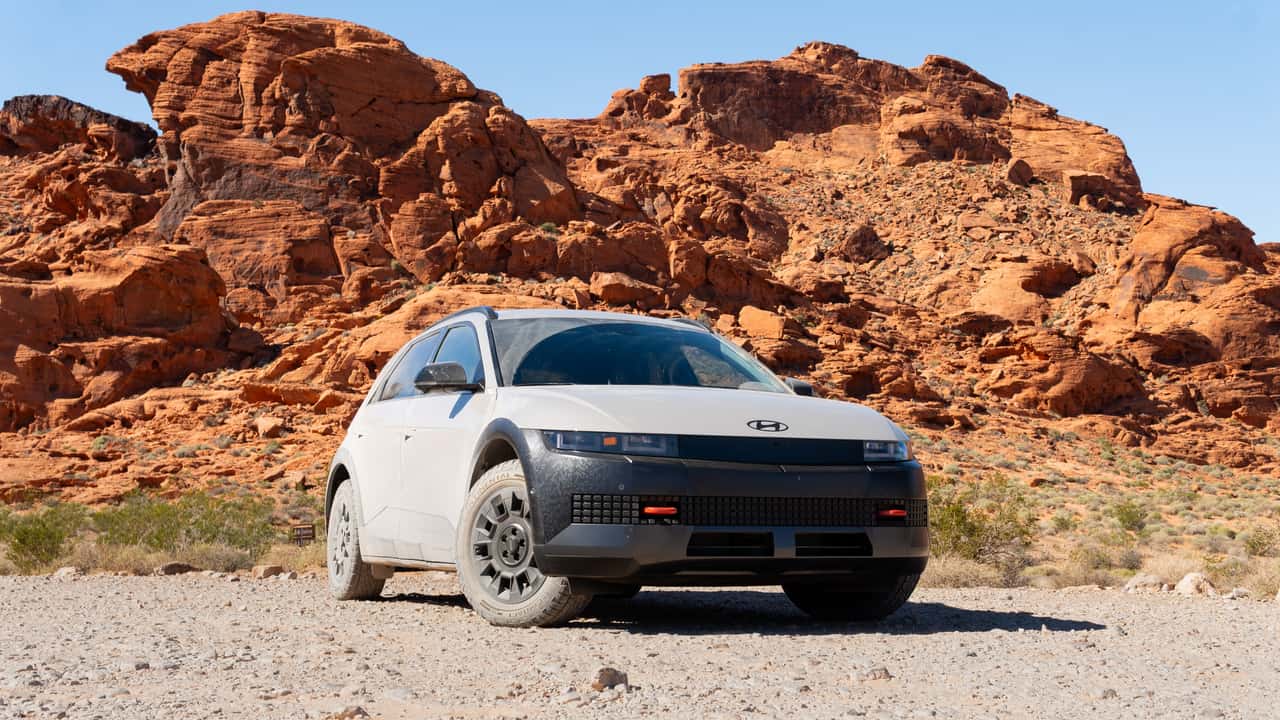
Hyundai and Kia collectively achieved record-breaking sales figures in the United States during July, a performance primarily fueled by robust demand for their internal combustion engine (ICE) vehicles. This significant sales surge contrasts sharply with a notable downturn in the electric vehicle (EV) segment for both South Korean automakers. The specific July sales data, released by the companies, indicates a strong overall market reception for their traditional offerings, underscoring a complex and bifurcated consumer preference within the automotive sector.
While the exact total sales figures for July were not immediately detailed in the provided context, the announcement highlights a substantial increase compared to previous periods, establishing new benchmarks for the brands in the U.S. market. This success in July builds upon a generally positive sales trajectory for Hyundai and Kia throughout the year, demonstrating their continued ability to capture market share. The strength of their gasoline-powered lineups, which include popular SUVs and sedans, appears to be the primary driver behind these record numbers. These vehicles continue to resonate with a broad consumer base, benefiting from factors such as competitive pricing, established brand loyalty, and a wide range of available models catering to diverse needs.
Conversely, the performance of Hyundai and Kia's electric vehicles in July was markedly weaker, experiencing a decline that runs counter to the overall sales growth. This dip in EV sales suggests a potential slowdown or a shift in consumer interest away from electric models, at least within the context of these two brands during that specific month. The reasons for this decline are multifaceted and could include factors such as increased competition in the EV market, consumer concerns regarding charging infrastructure, range anxiety, or pricing sensitivities. The broader automotive industry has been navigating fluctuating consumer demand for EVs, with some markets experiencing rapid adoption while others show signs of hesitation or saturation.
The contrasting performance between ICE vehicles and EVs for Hyundai and Kia in July presents a critical strategic challenge for the automakers. While their overall sales success is commendable, the underperformance of their electric offerings raises questions about their EV strategies and market penetration. Both companies have invested heavily in electrification, aiming to transition towards a more sustainable future and meet evolving regulatory requirements. The July sales figures suggest that the market's embrace of EVs may not be as uniform or as rapid as anticipated, necessitating a careful re-evaluation of market dynamics, consumer incentives, and product development priorities. The ability of Hyundai and Kia to balance their strong ICE sales with the growth of their EV portfolios will be crucial for their long-term success in the evolving automotive landscape.
Original source — read the full reporting at the publisher:
Read on InsideEVsGet the weekly AI digest
AI news + new model releases, weekly. Drafted by our agents, reviewed by humans.