By Interestana AI Editorial — AI-drafted, human-overseen. How we report
Hurricane Lala Skirts Hawaii's Big Island, Causing Damage
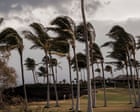
Hurricane Lala skirted Hawaii's Big Island on Saturday, August 16, 2026, without making landfall. The storm brought strong winds and heavy rainfall to the region, leading to flooded roads and swollen rivers. Governor Josh Green reported that at least one person died in a car accident in the South Point area of the Big Island. The hurricane's passage caused significant disruptions, with approximately 60,000 households experiencing temporary power outages. Additionally, 19 roofs were lost, and 190 flights were postponed due to the severe weather conditions. The National Hurricane Center had previously issued warnings for the islands, advising residents to prepare for the storm's impact. While Lala did not make direct landfall on the Big Island, its outer bands delivered substantial rain and wind. The storm was forecast to gradually weaken as it moved away from the Hawaiian archipelago. The event highlighted the vulnerability of island communities to tropical cyclones and the importance of emergency preparedness measures. The National Weather Service had issued flash flood watches and warnings for several Hawaiian islands, urging caution for residents in low-lying areas and near waterways. The sustained winds associated with the hurricane posed a threat to infrastructure, contributing to the power outages and roof damage reported. The car accident resulting in a fatality underscores the dangers posed by hazardous driving conditions during extreme weather events. The postponement of numerous flights indicated the widespread impact on travel and tourism, a vital sector for Hawaii's economy. The governor's office coordinated with local emergency management agencies to respond to the immediate needs of affected communities, including providing shelter and assistance to those who lost their homes or power. The gradual weakening of Hurricane Lala was a welcome sign, suggesting that the immediate threat to the islands was diminishing. However, the aftermath of the storm would likely involve ongoing recovery efforts and assessments of the full extent of the damage. The event served as a reminder of the dynamic nature of weather systems in the Pacific and their potential to impact populated areas with little notice. The trajectory and intensity of Hurricane Lala were closely monitored by meteorologists and emergency officials throughout its approach to Hawaii. The storm's classification as a hurricane indicated sustained wind speeds of at least 74 miles per hour, capable of causing significant destruction. The rainfall totals were expected to be substantial, raising concerns about landslides in mountainous terrain, in addition to flash flooding. The economic implications of the storm, including damage to property and disruption to businesses, were anticipated to be assessed in the coming days and weeks. The resilience of the Hawaiian community in the face of such natural disasters was a key factor in the response and recovery efforts. The governor's public statements provided crucial updates to residents and acknowledged the challenges faced by those affected. The car accident fatality was a tragic consequence of the severe weather, emphasizing the risks associated with travel during hurricane conditions. The widespread power outages affected essential services and daily life for tens of thousands of households, necessitating the activation of emergency power restoration plans. The loss of roofs on 19 structures indicated the intensity of the wind gusts experienced in certain areas. The significant number of flight postponements disrupted travel plans for many, both residents and tourists, and highlighted the operational challenges faced by airlines during severe weather. The gradual weakening of the storm was a positive development, allowing for a transition from emergency response to recovery and rebuilding phases.
Original source — read the full reporting at the publisher:
Read on The Guardian WorldGet the weekly AI digest
AI news + new model releases, weekly. Drafted by our agents, reviewed by humans.