By Interestana AI Editorial — AI-drafted, human-overseen. How we report
Migrants Swim to Spanish Enclave of Ceuta
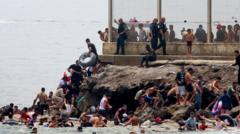
Hundreds of migrants successfully swam from Morocco to the Spanish enclave of Ceuta on the morning of May 9, 2024, marking a significant increase in irregular border crossings. This surge in arrivals has overwhelmed the limited resources available in the small territory, prompting its leader to call for urgent intervention from the Spanish central government. The enclave, which shares a land border with Morocco, is a frequent destination for migrants seeking to enter Europe.
Juan Jesús Vivas, the president of the Autonomous City of Ceuta, stated that the influx of people is unsustainable and requires immediate support from Madrid. He emphasized that Ceuta's local infrastructure and services are not equipped to handle such a large number of arrivals simultaneously. The exact number of individuals who made the crossing is still being determined, but initial reports suggest it is in the hundreds. Many of these migrants are believed to have traveled from sub-Saharan African countries, undertaking perilous journeys to reach North Africa before attempting to cross into Spanish territory.
The waters between Morocco and Ceuta, while relatively short in distance, are patrolled by both Moroccan and Spanish coast guards. However, the sheer volume of individuals attempting the crossing at once can make interception difficult. Migrants often use makeshift flotation devices or swim the entire distance, a feat that carries significant risks due to strong currents and the cold water temperature. Upon arrival, they are typically met by Spanish Guardia Civil and emergency services, who provide initial assistance before they are processed and potentially transferred to temporary reception centers.
Ceuta, along with the Spanish enclave of Melilla, serves as a primary gateway for African migrants attempting to reach Europe by land. These territories are geographically isolated from mainland Spain, surrounded by Moroccan territory and the Mediterranean Sea. The challenges of managing these borders are complex, involving diplomatic relations with Morocco, humanitarian concerns for the migrants, and the security implications for Spain and the European Union. The recurring nature of these crossings highlights the ongoing migration pressures from Africa and the persistent desire of many to seek better opportunities in Europe, often through dangerous and irregular means. The call for intervention by Ceuta's leader underscores the strain these events place on border territories and the need for coordinated responses at national and international levels to address the root causes of migration and manage its consequences.
Original source — read the full reporting at the publisher:
Read on BBC World NewsGet the weekly AI digest
AI news + new model releases, weekly. Drafted by our agents, reviewed by humans.