By Interestana AI Editorial — AI-drafted, human-overseen. How we report
Chris Packham Urges Protection for Invertebrates
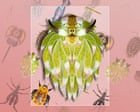
Chris Packham, a prominent naturalist and television presenter, has issued a strong call to action regarding the urgent need to protect invertebrates, emphasizing their indispensable role in Earth's ecosystems. He argues that many animals are wrongly categorized as "bugs," a label that too easily leads to their classification as "pests." This perception, he contends, stems from a learned fear of creatures with six legs or antennae, rather than an innate aversion. Packham champions The Guardian's "Invertebrate of the Year" competition, seeing it as a vital initiative that redirects public attention from charismatic megafauna like pandas, tigers, and orangutans towards the less celebrated but equally significant invertebrate species. He posits that the sheer diversity and complex ecologies of the over one million invertebrate species on Earth often result in lives far more intricate and fascinating than those of larger, spine-bearing animals, including humans.
Packham's commentary, published in The Guardian, underscores the critical ecological functions performed by invertebrates, which are as fundamental to ecosystem health as more conventionally admired animals. He stresses the immediate necessity of fostering a widespread appreciation for the beauty and ecological significance of these small creatures. The presenter's advocacy comes at a time of a "crisis in our relations with the natural world," highlighting the diminishing time available to implement protective measures. His plea is for a fundamental re-evaluation of how society views and interacts with these often-overlooked organisms, advocating for their conservation as a matter of planetary survival.
The "Invertebrate of the Year" series, as highlighted by Packham, serves as a crucial platform for raising awareness about the vast array of invertebrate life. This initiative aims to educate the public about the intricate roles these creatures play, from pollination and decomposition to serving as a food source for other wildlife. By focusing on these often-maligned species, the competition seeks to cultivate a deeper understanding and respect for the natural world in its entirety, rather than focusing solely on a select few well-known animals. Packham's argument is that the health of the planet, and by extension human well-being, is inextricably linked to the survival and thriving of these small but mighty organisms. He implies that a failure to recognize and act upon this interdependence could have severe and irreversible consequences for biodiversity and ecosystem stability.
Original source — read the full reporting at the publisher:
Read on The Guardian EnvironmentGet the weekly AI digest
AI news + new model releases, weekly. Drafted by our agents, reviewed by humans.