By Interestana AI Editorial — AI-drafted, human-overseen. How we report
NYC Pied-à-Terre Tax Uncovers Ghost Cars Evading Insurance
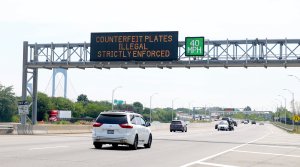
New York City is experiencing a surge in "ghost cars," vehicles registered out-of-state by residents who primarily use and garage their cars within the city, a phenomenon largely exposed by the implementation of Mayor Zohran Mamdani's pied-à-terre tax. This tax, designed as a surcharge for owners of second homes valued above a certain threshold, requires individuals to prove their residency status. The Department of Finance (DOF) uses this as an opportunity to audit residency, identifying those who file taxes out-of-state despite living in New York City, thereby defrauding the city. A Streetsblog analysis of city violation data revealed nearly 21,000 vehicles registered outside the tri-state area (including Pennsylvania) that accumulated at least one violation in the city every quarter. This consistent pattern strongly suggests these vehicles are permanently based in New York, with owners deliberately registering them elsewhere to circumvent the state's notoriously high insurance premiums. Further investigation by the City Council's Oversight and Investigations Division surveyed over 3,500 parked vehicles in precincts known for high volumes of out-of-state plate summonses. Among the 768 vehicles with non-New York plates, one in five displayed mismatched, temporary, or fraudulent "no-hit" plates that could not be traced to any valid registration. These unregistered vehicles collectively owed approximately 2.5 times more in outstanding fines than properly registered cars. Crucially, they paid only 16% of their owed fines, a stark contrast to the 63% paid by validly registered vehicles. The DOF has historically audited residency for programs like the STAR exemption and Senior Citizen Rent Increase Exemptions (SCRIE), but the pied-à-terre tax has amplified this effort, bringing to light the extent of vehicle registration evasion. The core of the issue lies in New York City's high insurance costs, which can be significantly higher than in neighboring states like New Jersey or Pennsylvania. This financial incentive drives some New Yorkers to register their vehicles in these adjacent states, even while their cars remain in the city. The pied-à-terre tax, by scrutinizing residency for tax purposes, is now indirectly flagging these vehicles and their owners, who are effectively operating unregistered and uninsured within the city's limits. This situation highlights a broader problem of tax and regulatory evasion, where individuals exploit loopholes to reduce financial burdens, leading to a less equitable system and potential safety concerns on city streets.
Original source — read the full reporting at the publisher:
Read on FortuneGet the weekly AI digest
AI news + new model releases, weekly. Drafted by our agents, reviewed by humans.