By Interestana AI Editorial — AI-drafted, human-overseen. How we report
Wistron's Nvidia Partnership Fuels AI Boom Growth
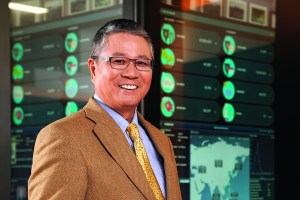
Wistron, a Taipei-based electronics manufacturer, has emerged as a significant beneficiary of the artificial intelligence boom, largely due to its strategic partnership with Nvidia. Eight years ago, Wistron aligned its business with Nvidia, a decision that has proven exceptionally prescient as Nvidia's fortunes have surged in the AI era. Wistron, which began as a spin-off from laptop maker Acer, now specializes in building the servers that house Nvidia's advanced chips, positioning itself as a critical component in the AI hardware supply chain. This strategic focus has led to substantial financial growth for the company. In 2025, Wistron reported revenues of $70.2 billion, more than double its revenue from the previous year. Servers constituted a dominant 70% of its total sales for that fiscal year. The company's strong performance continued into the first half of 2026, with revenues already reaching $55 billion. Wistron's ascent is highlighted by its ranking on the Fortune Global 500 list, where it secured the No. 198 position this year. This represents a remarkable jump of 298 spots from the prior year, marking the largest increase on the current ranking. Wistron's trajectory illustrates how the impact of the AI revolution extends beyond the major chip designers and large language model developers, lifting companies that manufacture the essential hardware infrastructure. The company's success also represents a significant corporate turnaround. Wistron initiated its collaboration with Nvidia during a challenging period in Wistron's history, subsequently leveraging the AI boom to enter a new phase of expansion. Simon Lin, Wistron's chair, who is 72 years old and has a long career in the computer industry, having joined Acer in 1979, emphasized the importance of preparedness for future changes, even during difficult times. Lin is recognized by Acer cofounder Stan Shih for coining the "smiling curve" economic model. This model suggests that the lowest profit margins are typically found in the mid-section of the supply chain, specifically in assembly and manufacturing, while higher margins are achieved at the design and final retail stages. In 2001, Shih facilitated the spin-off of Acer's manufacturing division, establishing Wistron as an independent entity, with Lin appointed as its chair and CEO. Since its inception, Wistron has actively sought to move beyond the lower-margin assembly work described by the smiling curve, shifting its focus towards the development of comprehensive AI systems. Lin transitioned from his role as CEO in 2022, but continues to guide the company as chair. Wistron's early strategic decisions, particularly its commitment to Nvidia's technology, have been instrumental in its transformation from a contract manufacturer to a key player in the AI hardware ecosystem.
Original source — read the full reporting at the publisher:
Read on FortuneGet the weekly AI digest
AI news + new model releases, weekly. Drafted by our agents, reviewed by humans.