By Interestana AI Editorial — AI-drafted, human-overseen. How we report
Wildflowering Careers: HR VP Advocates Organic Growth Amidst AI
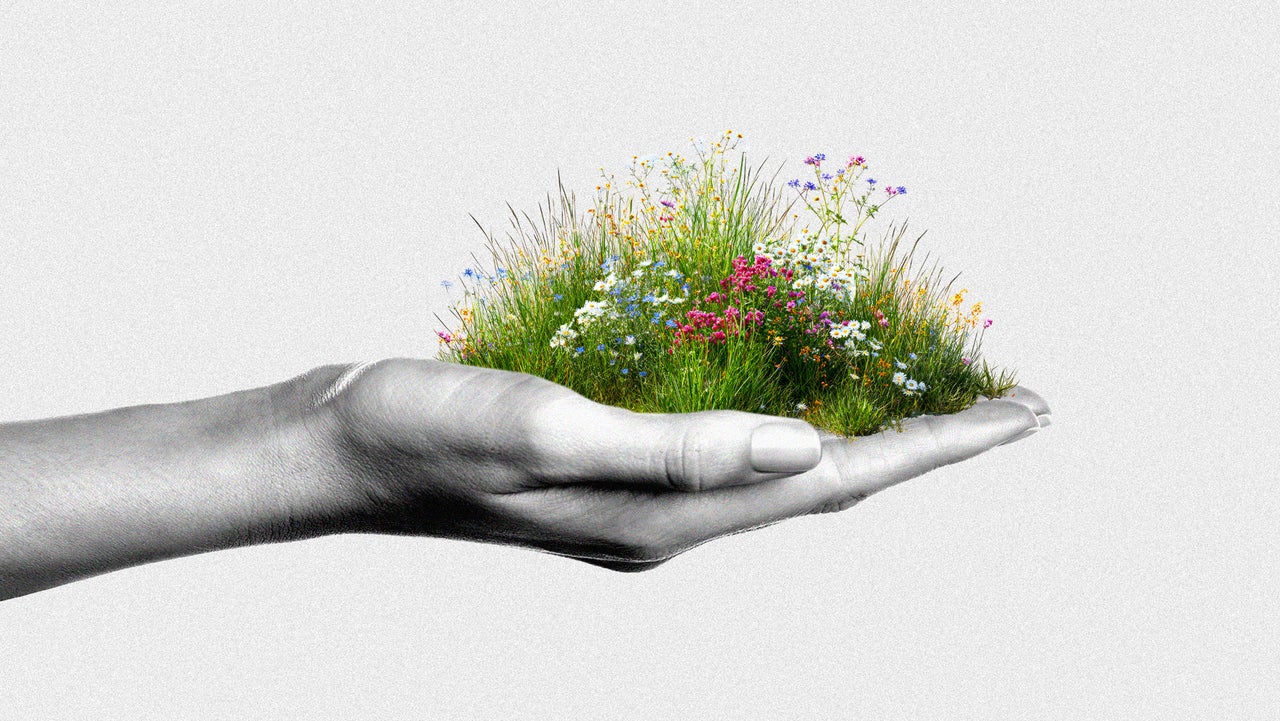
Macaire Montini, VP of People and Culture at the HR platform HiBob, advocates for a "wildflowering" approach to career development, particularly in the current era of rapid artificial intelligence advancement. This concept, borrowed from the dating world where it signifies allowing relationships to develop organically without imposed timelines or expectations, suggests that careers should similarly be allowed to "wilt or bloom" based on individual strengths and evolving opportunities, rather than being confined to rigid, pre-defined career paths. Montini argues that as AI reshapes jobs at an unprecedented pace, organizations must shift from attempting to fit employees into standardized career ladders to fostering environments where individuals can grow and expand their roles around their unique talents and acquired skills. Instead of solely focusing on vertical progression up a traditional ladder, Montini proposes that employees should "grow career mushrooms," which involves expanding their expertise and responsibilities laterally across various projects and acquiring new skills before potentially moving upwards. This sideways growth, she explains, is crucial because human skills are becoming the primary differentiator in an AI-driven workforce, and "wildflowering" is a strategy to ensure that individuals with these critical skills are optimally placed within an organization. The traditional career ladder is facing significant challenges. In some sectors, entry-level positions are diminishing as AI automates routine tasks, raising concerns about the future pipeline of managers. Concurrently, the trend towards flatter organizational structures has resulted in many middle managers overseeing larger teams, with fewer opportunities for promotion, leading to increased stress and job insecurity. The established progression from junior roles to management is no longer as certain as it once was, prompting some individuals to disengage from the conventional "rat race." This evolving landscape underscores Montini's belief that careers should prioritize breadth and exploration before height and specialization. Montini's "wildflowering" philosophy emphasizes embracing individual aptitudes and allowing them to flourish. Rather than striving for organizational uniformity, the approach encourages companies to "lean into someone’s gifts," fostering a more dynamic and personalized professional journey. This contrasts with traditional HR models that often aim to homogenize employee development. The concept implies a departure from a "workplace symphony" where everyone plays a predetermined part, towards a more adaptive and emergent system where individual contributions can shape evolving roles and responsibilities. The implications of this approach are significant for both employees and employers. For employees, it offers a path to greater job satisfaction and skill development, allowing them to adapt to the changing demands of the labor market. For employers, it presents an opportunity to cultivate a more agile and resilient workforce, better equipped to navigate the complexities of the AI era by leveraging the unique strengths of each individual. The "wildflowering" model suggests a future where career paths are less about climbing a fixed structure and more about organic cultivation and strategic adaptation.
Original source — read the full reporting at the publisher:
Read on Fast CompanyGet the weekly AI digest
AI news + new model releases, weekly. Drafted by our agents, reviewed by humans.