By Interestana AI Editorial — AI-drafted, human-overseen. How we report
Wildfire Smoke Alters Childhood Experiences and Health
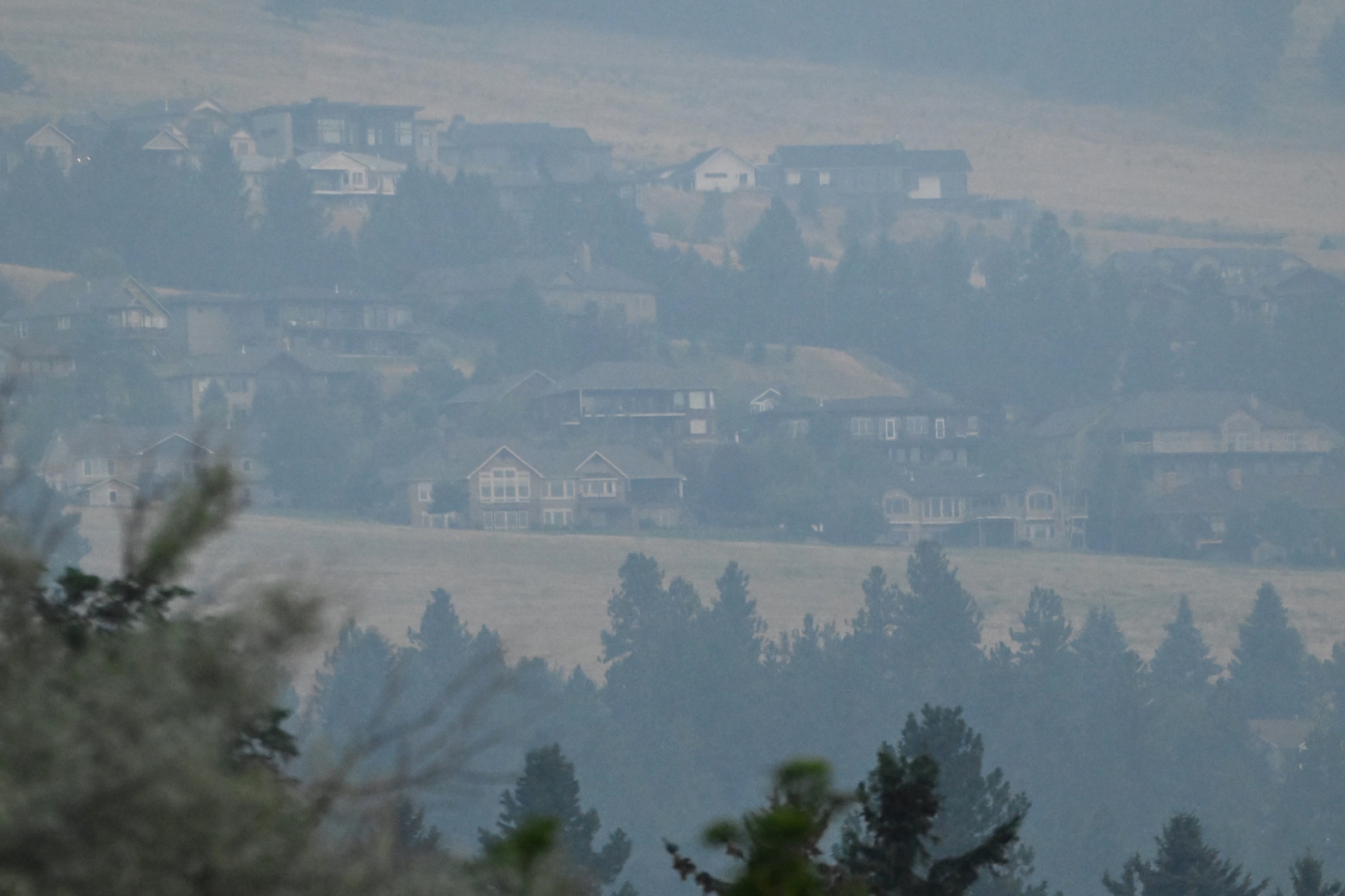
Wildfire smoke is fundamentally altering childhood experiences, particularly in regions like Montana, where traditional summer activities such as outdoor play, swimming, hiking, and baseball are increasingly curtailed due to unhealthy air quality. Generations of children have grown up with summers defined by long days spent outdoors, but this is changing as wildfire seasons intensify and lengthen across the American West. Parents now routinely consult the Environmental Protection Agency’s Air Quality Index to determine if their children can safely play outside, a stark contrast to previous summers. In Montana, which has always contended with wildfires, extended periods of smoky skies now necessitate children remaining indoors for days or even weeks. Scientific research has increasingly documented the health risks associated with wildfire smoke, with a particular focus on children whose respiratory systems are still developing. A 2024 UNICEF report highlights that the impact of wildfire smoke extends beyond physical health, affecting children's cognitive abilities, mental well-being, and their capacity for play. The report warns that repeated exposure to smoke can have enduring consequences on a child's development and overall childhood experience. These recurring smoke events are directly reshaping children's daily lives, reducing opportunities for essential outdoor recreation and social engagement, and fundamentally altering how families experience the summer months. Educational institutions are responding by upgrading air filtration systems within school buildings, reflecting a broader societal re-evaluation of how community infrastructure should adapt to a changing climate. Melody Irvine, who grew up in western Montana with asthma, recalls being confined indoors during smoky summers, missing out on outdoor activities that were once commonplace. The long-term implications of these environmental shifts on children's development and well-being are a growing concern for health professionals and researchers. The altered summer landscape, characterized by hazy skies and indoor confinement, represents a significant departure from the idyllic outdoor childhoods of previous eras, prompting a need for new strategies to ensure children's health and development in an era of increased wildfire activity. The cumulative effect of these environmental changes on a child's formative years is a subject of ongoing study and concern, underscoring the pervasive influence of climate-related phenomena on human development.
Original source — read the full reporting at the publisher:
Read on GristGet the weekly AI digest
AI news + new model releases, weekly. Drafted by our agents, reviewed by humans.