By Interestana AI Editorial — AI-drafted, human-overseen. How we report
Trump's Asia Policy Weakened Alliances, Turnbull Says
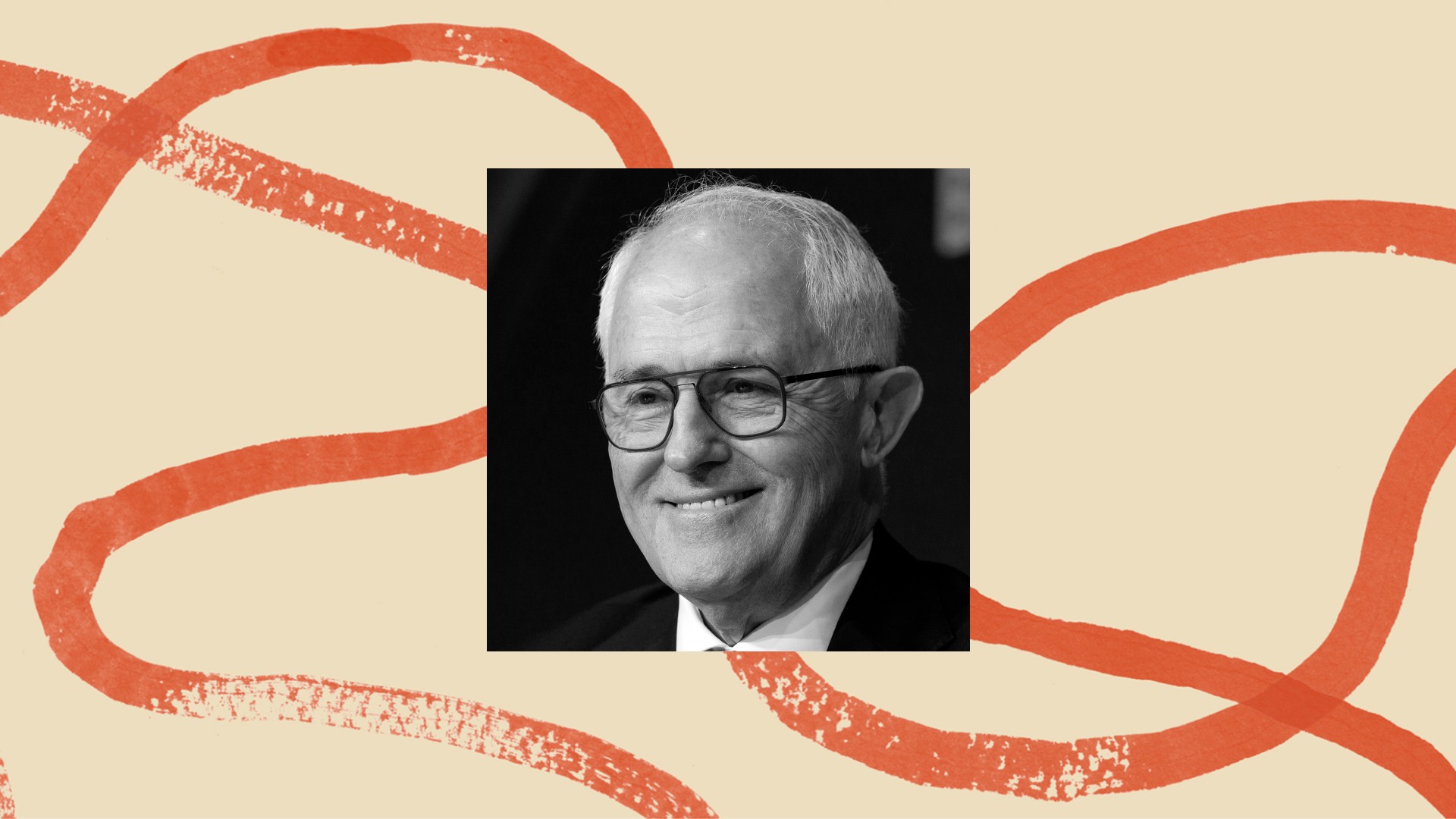
Former Australian Prime Minister Malcolm Turnbull asserts that Donald Trump's "America First" foreign policy significantly weakened the United States' traditional alliances and ceded ground in the Indo-Pacific region to China. Turnbull, speaking in the context of Trump's presidency and potential future policies, contends that Trump's transactional approach to international relations, characterized by questioning long-standing security commitments and trade agreements, created opportunities for China to expand its influence. This shift, according to Turnbull, represented an abandonment of America's historic role as a guarantor of regional stability and a supporter of democratic allies.
Turnbull's analysis highlights the perceived strategic vacuum created by the Trump administration's skepticism towards multilateral institutions and alliances, such as the Quad (comprising the United States, Japan, India, and Australia). He suggests that by prioritizing bilateral deals and expressing doubts about collective security, Trump inadvertently encouraged regional partners to reconsider their reliance on the US. This uncertainty, in turn, may have pushed some nations to seek closer ties with China, either economically or strategically, to hedge their bets. The former Prime Minister's perspective aligns with broader concerns among some foreign policy experts about the long-term consequences of an inward-looking American foreign policy on global order and US leadership.
The discussion also touches upon the potential implications for Donald Trump's personal wealth, referencing the concept of "ill-gotten wealth," though specific details or mechanisms for addressing this are not elaborated upon in the provided context. Furthermore, the summary mentions Frank Dikötter's book, "Red Dawn Over China: How Communism Conquered a Quarter of Humanity," suggesting a broader thematic interest in China's historical and geopolitical trajectory, which complements Turnbull's assessment of contemporary challenges in Asia. The book's title implies a focus on the rise of communist power in China and its global implications, a narrative that resonates with the geopolitical shifts Turnbull describes in the context of US foreign policy under Trump.
Turnbull's critique implies that a consistent and robust engagement with allies is crucial for maintaining American influence and countering the rise of strategic competitors like China. The erosion of trust and the perceived unreliability of US commitments under Trump, according to this view, have had tangible consequences for the geopolitical landscape of Asia, potentially altering the balance of power in the region. This perspective underscores the importance of diplomatic engagement, strong alliances, and a clear strategic vision in navigating complex international relations, particularly in a region as dynamic and strategically vital as the Indo-Pacific.
Original source — read the full reporting at the publisher:
Read on The AtlanticGet the weekly AI digest
AI news + new model releases, weekly. Drafted by our agents, reviewed by humans.