By Interestana AI Editorial — AI-drafted, human-overseen. How we report
Trump Accounts for Kids See Strong Enrollment, Raise Wealth Gap Concerns
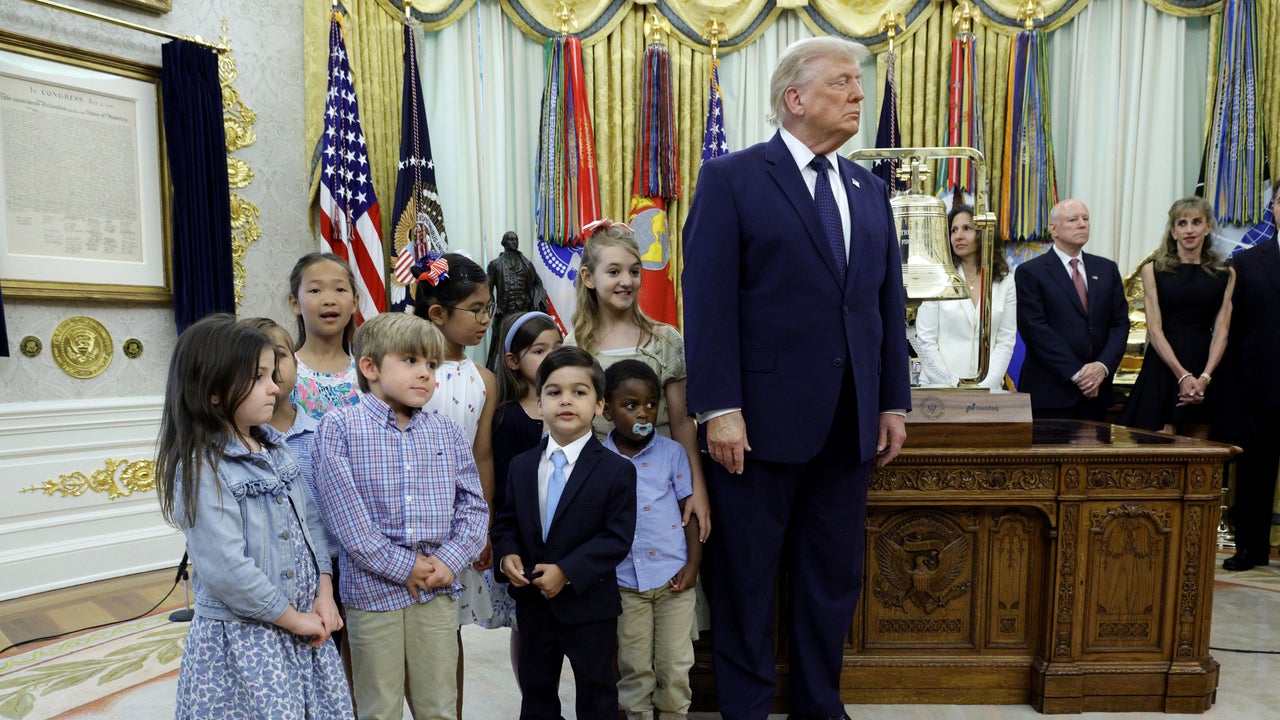
Tax-advantaged investment accounts for children, colloquially known as “Trump accounts,” have experienced a robust initial enrollment period, with 7 million children under 18 registered as of July 27, just over three weeks after their launch. Treasury Secretary Scott Bessent reported that a significant majority, 86%, of these accounts belong to families with annual incomes below $200,000. The House Committee on Ways and Means has characterized this high participation rate from lower and middle-income families as evidence that the investment vehicle is effectively reaching those who could benefit most. The Treasury Department has also proposed further guidance for these accounts, which could allow families to contribute up to $2,500 annually on a pretax basis through payroll deductions, mirroring the structure of 401(k) retirement plans. Currently, parental contributions to these accounts are not tax deductible. From their inception, Trump accounts have permitted private employers to contribute up to $2,500 annually to their employees' accounts. In conjunction with the Treasury's recent announcement, more than 50 major private employers have pledged to make contributions to their employees' Trump accounts. Despite the widespread adoption and proposed enhancements, concerns persist that these accounts may inadvertently exacerbate the wealth gap rather than serve as a tool for its reduction. While the theoretical aim of providing every child with an investment account is to foster opportunities for upward economic mobility, the practical implementation and specific features of the rollout are drawing scrutiny. The ubiquity of the accounts, making them accessible to every American citizen under 18, is cited as a key benefit, offering a unique avenue for investment education. Information regarding these accounts and their investment options is readily available through public searches. The Treasury's proposed rule to allow pretax payroll deductions for parental contributions, alongside employer commitments, could significantly increase the capital flowing into these accounts. However, the structure of these contributions and the potential for differential employer participation could lead to disparities in the growth of these accounts across different socioeconomic strata. The initial success in enrolling a large number of children from families earning less than $200,000 highlights the demand for such financial tools, but the long-term impact on wealth accumulation and intergenerational economic mobility remains a subject of debate and concern among financial analysts and policymakers.
Original source — read the full reporting at the publisher:
Read on Fast CompanyGet the weekly AI digest
AI news + new model releases, weekly. Drafted by our agents, reviewed by humans.