By Interestana AI Editorial — AI-drafted, human-overseen. How we report
Frequent Flyer Shares 5 Red-Eye Survival Strategies
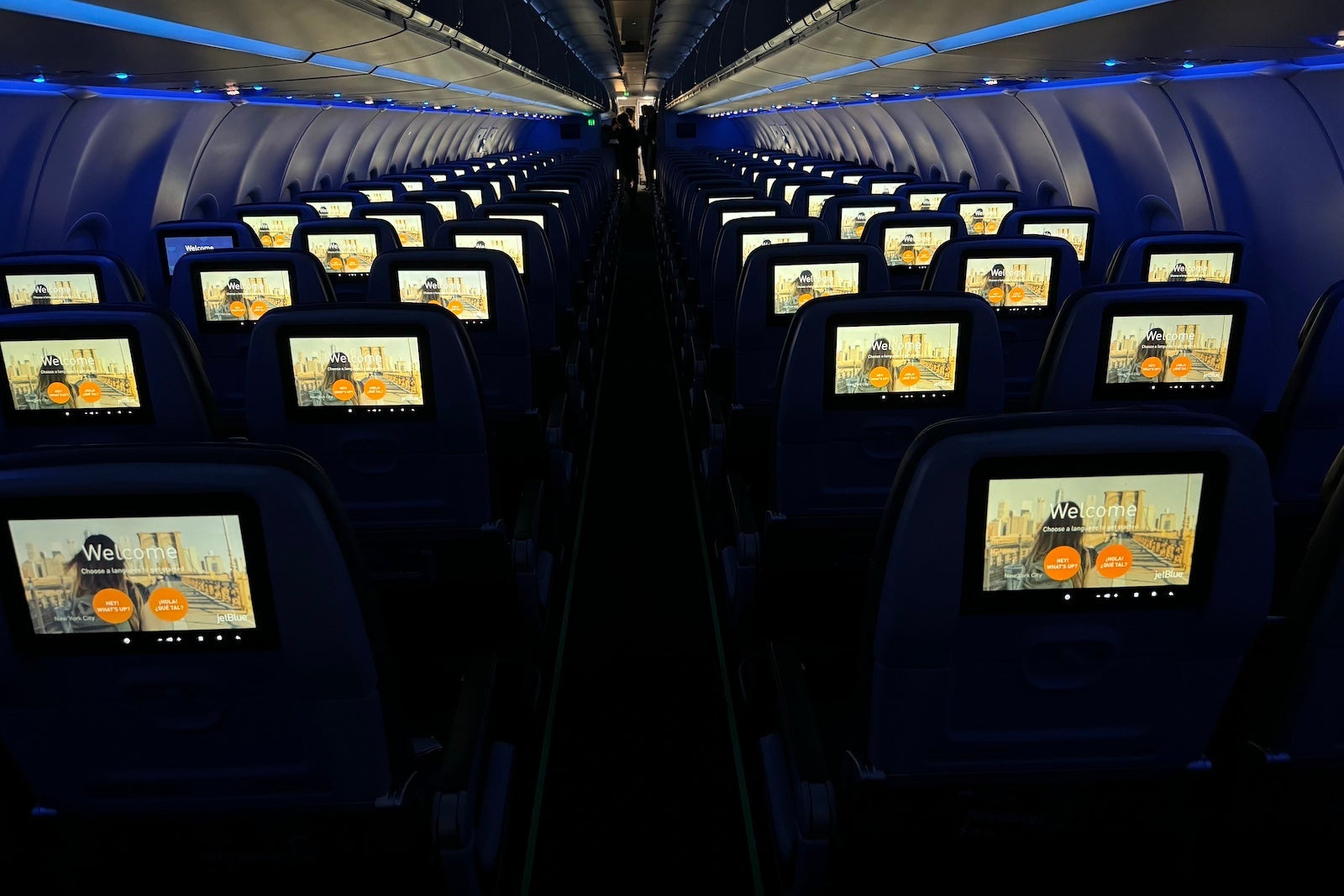
Surviving intercontinental travel often necessitates taking red-eye flights, a common occurrence for journeys from the U.S. to Europe, South America, the Middle East, Asia, and Australia. These flights typically depart late, traverse the night, and arrive the following morning, leaving passengers sleep-deprived. To mitigate the impact of minimal sleep and maximize the first day at a destination, frequent flyers employ various strategies. One highly effective method involves booking a day-use hotel room immediately upon arrival. This practice allows travelers to check in early, access amenities like showers and beds for a nap, and refresh themselves before commencing their day's activities. The author recounts a personal experience where booking a day-use room at the Hampton by Hilton Dublin City Centre for 90 euros significantly improved their post-flight experience, enabling them to explore Dublin by early afternoon. This strategy also offers the benefit of earning hotel loyalty points and elite night credits, as demonstrated by the author's Hilton Honors points and elite night credit accumulation. Some day-use reservations may also offer hourly rates as an alternative payment option. Beyond securing immediate comfort, leveraging travel status and credit card perks can facilitate early check-in at a pre-booked hotel, potentially negating the need for a separate day-use room. This approach is particularly useful when a traveler is confident they can access their standard hotel room shortly after landing. The author highlights that while booking a day-use room was beneficial in their Dublin trip, the ability to get into their regular hotel room early can sometimes serve the same purpose. This strategy is contingent on the traveler's existing loyalty programs and the benefits associated with their credit cards, which can often expedite the check-in process or provide access to amenities that facilitate a smoother transition after a long overnight flight. The core principle remains to prioritize immediate comfort and recovery to ensure the first day of travel is productive and enjoyable, rather than spent battling fatigue. Another key strategy for managing red-eye travel involves strategic packing and in-flight comfort. This includes bringing essential items that can help passengers sleep better on the plane, such as a comfortable neck pillow, an eye mask, and noise-canceling headphones. Staying hydrated by drinking plenty of water and avoiding excessive alcohol or caffeine is also crucial for mitigating jet lag and improving sleep quality. Upon arrival, the author suggests exposing oneself to natural daylight as soon as possible to help reset the body's internal clock. Engaging in light physical activity, such as a walk, can also aid in combating grogginess and adjusting to the new time zone. The goal is to actively manage the body's response to the disrupted sleep schedule rather than passively enduring the effects of the red-eye flight. Furthermore, planning the first day's activities with a less demanding schedule can be beneficial. Instead of scheduling intensive meetings or strenuous sightseeing immediately after landing, opting for more relaxed activities allows the body to gradually adjust. This might include a leisurely meal, a visit to a local park, or.
Original source — read the full reporting at the publisher:
Read on The Points GuyGet the weekly AI digest
AI news + new model releases, weekly. Drafted by our agents, reviewed by humans.