By Interestana AI Editorial — AI-drafted, human-overseen. How we report
Expert Advice on Eating Produce Amid Cyclospora Outbreak
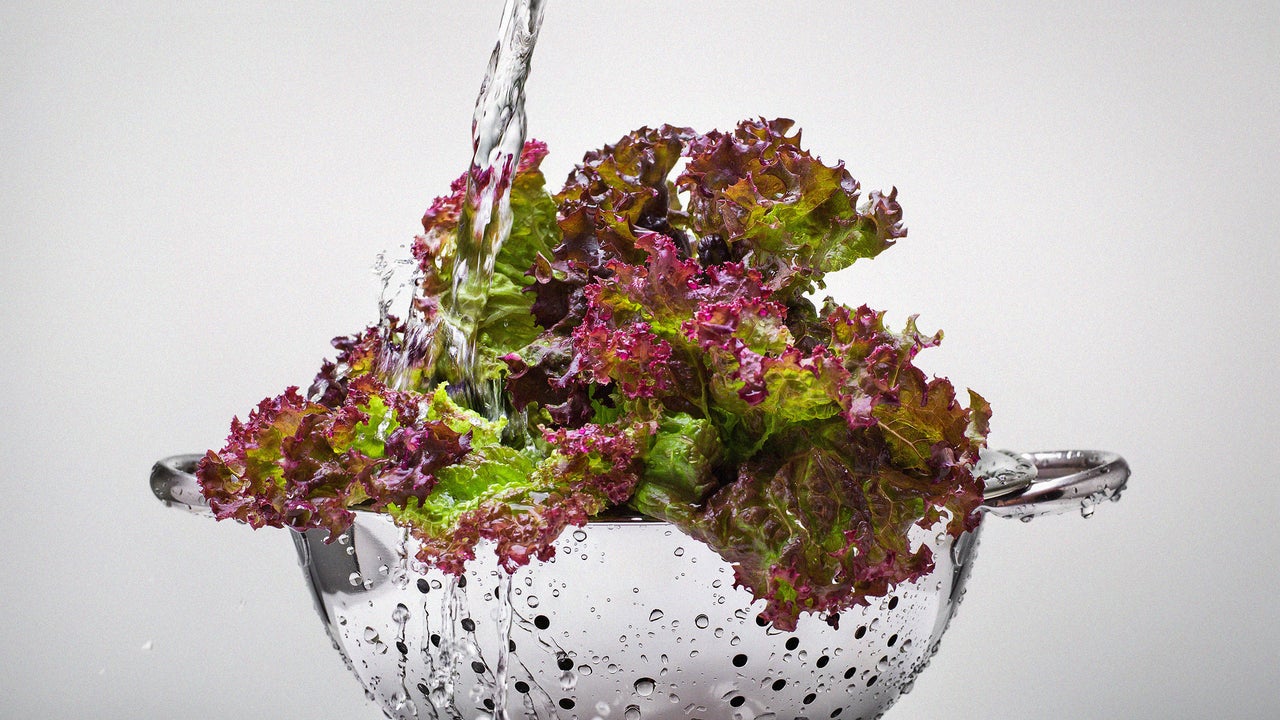
An ongoing 2026 outbreak of cyclosporiasis, caused by the cyclospora parasite, has led to over 11,500 reported illnesses across the United States, characterized by severe gastrointestinal symptoms. This outbreak has significantly impacted the consumption of fresh produce, with a poll released on July 26 indicating that 40% of U.S. adults have reduced their intake of fresh fruits and vegetables. Concerns have been further amplified by recalls of eggs and blueberries, alongside investigations into new, separate cyclospora outbreaks. As an immunologist and infectious disease specialist, the expert acknowledges that completely eliminating the risk of microbial contamination in food, including pathogens like cyclospora, E. coli, and salmonella, is not feasible. However, instead of abstaining from fresh produce, adopting specific food safety practices can substantially lower the risk of illness while allowing individuals to continue benefiting from the nutritional and culinary advantages of salads and other fresh vegetables.
During an active outbreak, the expert recommends washing even prewashed greens. A more effective measure, however, is to opt for whole heads of lettuce and wash them thoroughly at home. Prewashed and bagged produce, often marketed as "triple washed" or "ready to eat," offers convenience and a perceived level of safety due to commercial cleaning processes. This convenience is a significant factor, as research suggests that easier preparation leads to increased vegetable consumption. Commercial processors adhere to established food safety protocols, which typically involve multiple washing stages and the use of sanitizing agents. Despite these measures, the current outbreak highlights that contamination can still occur, underscoring the importance of consumer-level precautions.
The expert emphasizes that washing produce at home, even if it has been commercially prewashed, is a crucial step in reducing potential contamination. This involves rinsing produce under running water, and for items like leafy greens, gently rubbing the surface to remove any lingering soil or potential pathogens. For harder-skinned fruits and vegetables, a vegetable brush can be used. The cyclospora parasite, a single-celled protozoan, is often transmitted through contaminated food or water, and its life cycle involves an extrinsic مرحله in the environment, meaning it requires time outside the host to become infectious. This characteristic makes thorough washing particularly important.
Beyond washing, other food safety practices remain vital. These include separating raw produce from raw meats and poultry during shopping and preparation to prevent cross-contamination. Prompt refrigeration of fresh produce also helps slow the growth of any bacteria that might be present. The expert advises consumers to stay informed about public health advisories and recalls related to foodborne illnesses. While the current outbreak has caused apprehension, maintaining good hygiene and employing diligent washing techniques can allow for the continued enjoyment of healthy and delicious fresh produce.
Original source — read the full reporting at the publisher:
Read on Fast CompanyGet the weekly AI digest
AI news + new model releases, weekly. Drafted by our agents, reviewed by humans.