By Interestana AI Editorial — AI-drafted, human-overseen. How we report
Measure Brand Visibility in Google Gemini Responses
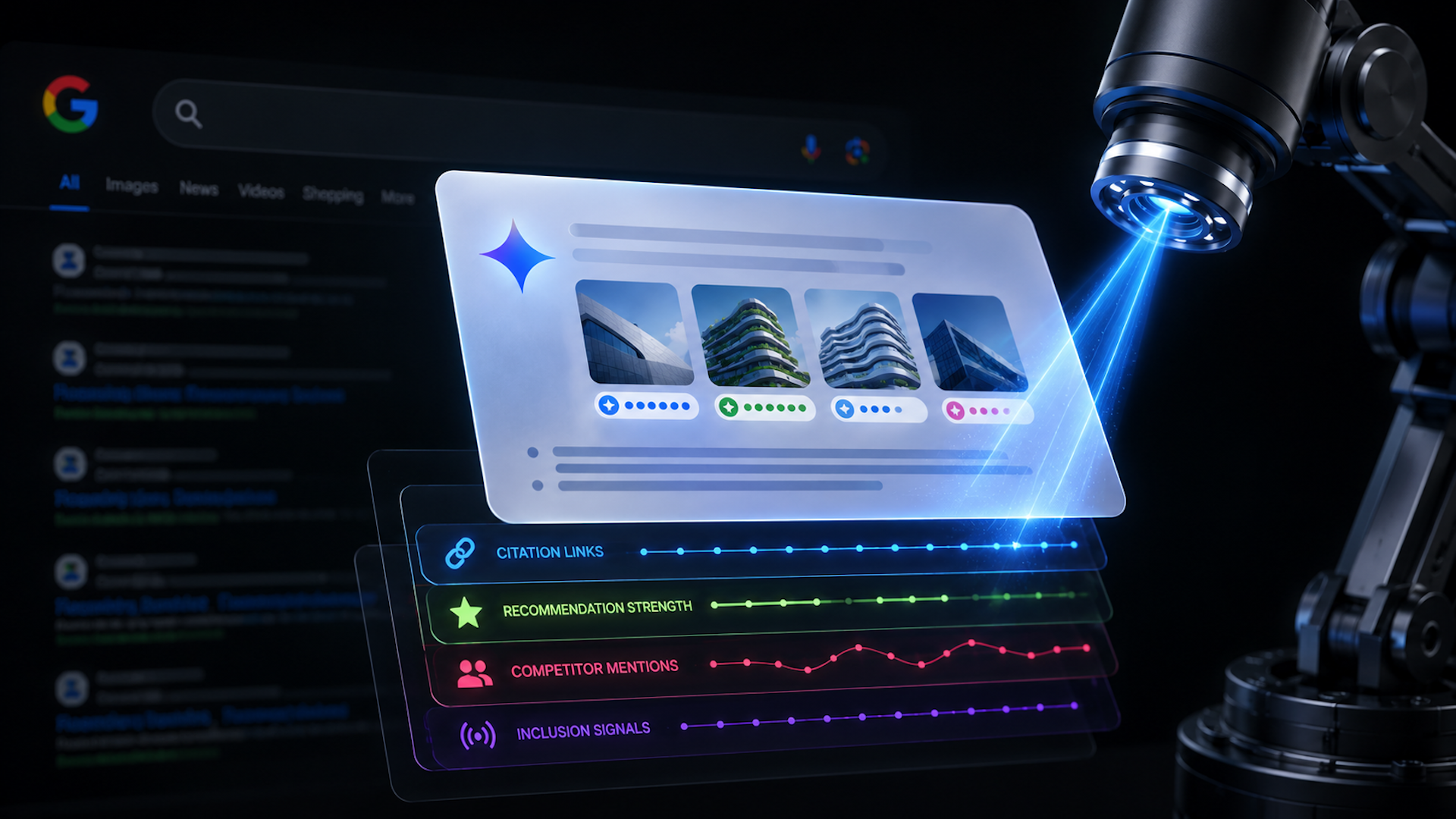
Measuring brand visibility within Google Gemini presents a unique challenge for marketers because Gemini's responses are not directly tracked by traditional analytics tools like Google Search Console or Google Analytics. Unlike standard search engine results pages (SERPs) where metrics like rankings, impressions, and clicks provide clear visibility data, interactions with Gemini are largely invisible to these platforms once a user moves on to other search activities or direct visits. A potential customer might discover a brand through a Gemini response, conduct further research via Google Search, and then return to the company's website, with the initial AI interaction going unrecorded by conventional reporting methods. Therefore, assessing Gemini brand mentions necessitates a proactive, direct measurement approach.
The most effective strategy for gauging brand visibility in Gemini involves a multi-faceted approach that integrates manual monitoring, specialized AI visibility platforms, and existing analytics data. This combined methodology aims to answer two critical questions: the frequency with which a brand appears in Gemini's output, and whether this AI-driven visibility translates into tangible business outcomes. Building a robust process for this measurement is essential for understanding the impact of AI on brand discovery and customer journeys. The inherent variability in Gemini's responses further complicates direct measurement. Unlike static search results, a single query can yield different answers depending on numerous factors, including follow-up questions, the user's search context, geographical location, personalization settings, and ongoing updates to Google's underlying AI models. This dynamic nature means that a brand might be recommended in one conversational thread, omitted in another, or appear alongside a different set of competitors in subsequent interactions. Consequently, there is no single, static "Gemini ranking" to monitor. Instead, marketers must focus on identifying and tracking patterns in brand appearance across a relevant set of prompts, assessing the consistency of recommendations, and understanding how their brand is positioned relative to competitors over time. Monitoring these trends requires a combination of complementary measurement techniques.
To effectively measure brand visibility in Gemini, marketers should implement a process that includes direct observation and data collection. This involves actively searching for their brand and competitors within Gemini using a predefined set of relevant prompts that align with their target audience's likely queries. AI visibility platforms can automate parts of this process, scanning Gemini responses for brand mentions and providing data on frequency, context, and sentiment. Complementing this with analytics data allows for the correlation of AI interactions with downstream business metrics. For instance, by analyzing referral traffic patterns and conversion rates, marketers can attempt to link periods of increased Gemini visibility to subsequent user engagement and sales. The goal is to understand not just *if* a brand is mentioned, but *how* that mention contributes to the overall marketing funnel and business objectives. This requires a shift from traditional SEO metrics to a more dynamic and observational approach, focusing on the qualitative and quantitative aspects of AI-generated content and its influence on consumer behavior. The ultimate aim is to become the brand that AI recommends, ensuring consistent and positive representation within these emerging AI-powered search interfaces.
Original source — read the full reporting at the publisher:
Read on Search Engine LandGet the weekly AI digest
AI news + new model releases, weekly. Drafted by our agents, reviewed by humans.