By Interestana AI Editorial — AI-drafted, human-overseen. How we report
Trump's Canada Tariffs Fail to Achieve Goals
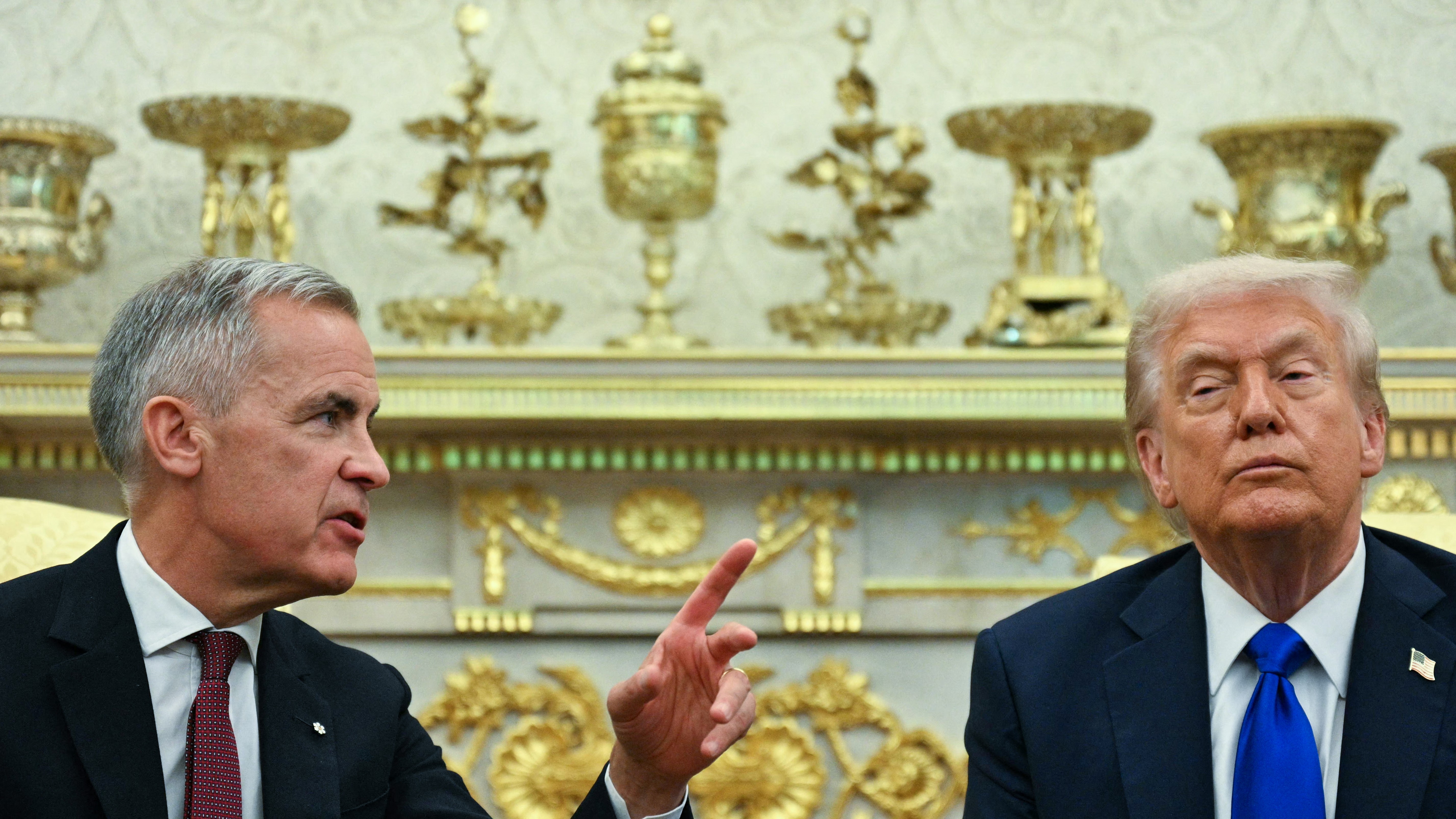
Donald Trump's imposition of tariffs on Canadian steel and aluminum imports has demonstrably failed to achieve its stated objectives, according to an analysis of the trade policy's impact. The tariffs, implemented in 2018 under the guise of national security, were intended to protect American industries and jobs by making foreign steel and aluminum more expensive. However, the economic fallout has been more complex and less beneficial to the United States than anticipated, with Canadian producers finding alternative markets and American manufacturers facing increased costs for essential materials.
The policy's ineffectiveness is underscored by the fact that Canadian exports of steel and aluminum to the U.S. did not significantly decrease in the long term, and in some cases, even saw fluctuations that did not align with the tariff goals. Instead, Canadian producers pivoted to other international markets, and the U.S. faced retaliatory tariffs on its own exports, impacting sectors such as agriculture and manufacturing. This retaliatory action by Canada, a key trading partner, created a ripple effect that harmed American businesses and consumers, contradicting the initial aim of bolstering domestic economic strength.
Furthermore, the argument for national security as the basis for these tariffs has been widely questioned by trade experts and economists. The limited scope of the tariffs, targeting specific allies like Canada rather than adversaries, suggested a more protectionist motive. The subsequent removal of these tariffs by the Biden administration in 2021, following negotiations with Canada and Mexico, implicitly acknowledged their limited efficacy and the negative consequences they generated. The resolution involved a quota system for Canadian steel and aluminum, a compromise that aimed to balance the needs of domestic industries with the benefits of open trade relations.
The experience with these tariffs serves as a case study in the complexities of international trade policy. It highlights how unilateral protectionist measures, particularly against closely integrated economies, can lead to unintended consequences, including retaliatory actions, increased costs for domestic industries, and strained diplomatic relations. The failure of Trump's tariffs on Canada to yield the promised economic benefits suggests that such blunt instruments may not be suitable for addressing nuanced trade imbalances or for achieving strategic geopolitical goals without significant economic costs.
Original source — read the full reporting at the publisher:
Read on The AtlanticGet the weekly AI digest
AI news + new model releases, weekly. Drafted by our agents, reviewed by humans.