By Interestana AI Editorial — AI-drafted, human-overseen. How we report
Documentary "How to Feed a Dictator" Reviews Lavish Meals for Tyrants
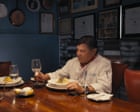
Andrew Neel’s documentary, "How to Feed a Dictator," offers a stark juxtaposition between the elaborate culinary creations prepared for some of the world's most notorious dictators and the widespread starvation experienced by their populations. The film features visually appealing footage of food preparation, akin to "food porn," showcasing the meticulous crafting of dishes such as Chilean country stew and whole roast goat, all tailored to the specific tastes of these authoritarian leaders. These chefs, who served figures including Pol Pot, Idi Amin, Saddam Hussein, Augusto Pinochet, and Kim Jong-il, are interviewed in the documentary. One chef, Charles Otonde Odera, recounts preparing a human heart for Idi Amin, admitting he did not inquire about the origin of the raw ingredients at the time.
Director Andrew Neel and editor Brad Turner skillfully present interviews with these former chefs, who exhibit varying degrees of denial regarding their complicity in the repressive regimes they served. Odera is portrayed as the most self-aware and candid among them. Keo Samoun, who cooked for Pol Pot, claims she was a teenager when recruited and still brings food offerings to her former employer's grave to honor his spirit. In contrast, Chilean chef Coco Pacheco expresses no remorse, proudly stating his contribution to pleasing the palate of a man responsible for thousands of deaths and acts of torture. Ermanno Furlanis, who prepared pizza for Kim Jong-il, appears bewildered by his role while millions in North Korea faced famine.
The documentary highlights the disconnect between the chefs' focus on culinary perfection and the immense human suffering caused by the dictators they served. It explores themes of complicity, denial, and the moral ambiguities faced by individuals working within oppressive state apparatuses. The film uses the lavish meals as a lens through which to examine the excesses of dictatorial regimes and the profound impact on the lives of ordinary citizens. The narrative structure allows for a detailed examination of each chef's perspective, revealing their justifications and lingering reflections on their past roles.
"How to Feed a Dictator" serves as a critical examination of power, privilege, and the often-unseen individuals who facilitate the daily lives of those in command, even when those commands lead to widespread atrocities. The film's approach, blending detailed culinary visuals with personal testimonies, aims to provoke thought about the nature of responsibility and the human capacity for both extraordinary skill and profound moral compromise. The contrast between the meticulously prepared dishes and the grim realities of the dictators' rule underscores the film's central message about the perversion of resources and talent in service of tyranny.
Original source — read the full reporting at the publisher:
Read on The Guardian CultureGet the weekly AI digest
AI news + new model releases, weekly. Drafted by our agents, reviewed by humans.