By Interestana AI Editorial — AI-drafted, human-overseen. How we report
Yellow School Bus Color Standardized for Safety in 1939
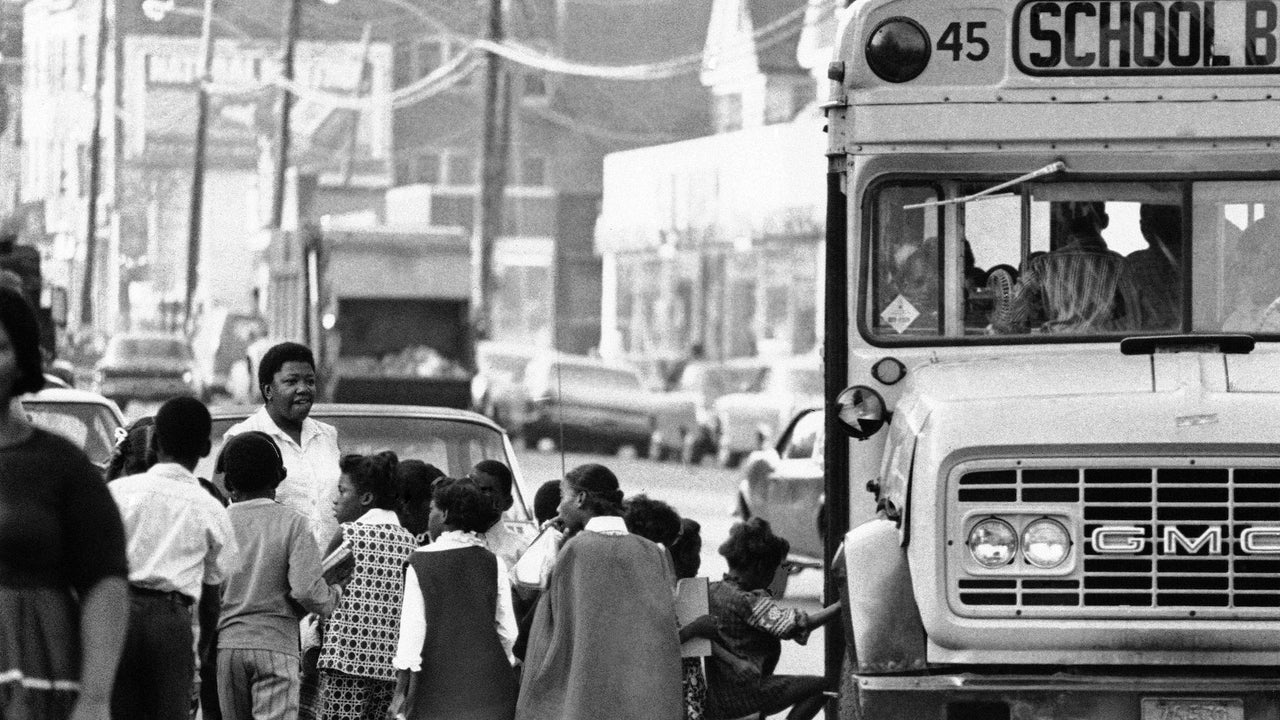
The distinctive "school bus yellow" color, a shade with a slight orange tint, became a national standard for American school buses following a 1939 conference of transportation officials from all 48 U.S. states. This decision was one of the earliest safety standards implemented for school transportation, prioritizing visibility. No act of Congress mandated this specific hue; rather, it was a consensus reached by state representatives aiming to enhance safety. At their zenith in the 1980s, yellow school buses transported over 60% of all students in the United States. The evolution of the metal-bodied school bus began in rural America, with Albert Luce, a Georgia car dealer, credited with designing an early model. Initially intended for carrying cement workers, Luce adapted his design for school use when the cement company rejected it. This innovation coincided with a significant trend of school districts consolidating small, one-room neighborhood schoolhouses into larger, more distant central schools. This consolidation necessitated a reliable and standardized method for transporting students over greater distances, leading to the widespread adoption of the school bus. Matt Anderson, head transportation curator at the Henry Ford Museum of American Innovation in Dearborn, Michigan, which houses one of Luce's 1927 buses, noted the symbiotic relationship between school consolidation and the rise of the school bus, stating, "I don’t think you could’ve had one without the other." Beyond its primary function of student transport, school buses played a role in the desegregation of schools decades later, facilitating the transportation of Black and white children across racial divides. However, this practice has largely ceased, and many areas in the United States have seen increased school segregation. Carl Fisher, recognized by the Guinness Book of World Records as the longest-working school bus driver, retired in 2012 after 66 years of service. His initial experience involved driving a converted Dodge truck, modified by his father's friend with benches and stools to accommodate 20 children in Pleasant Hope, Missouri. Fisher recalled the vehicle being well-equipped with windows, making it a comfortable option for young passengers. The fundamental design principles established early on became industry standards, with subsequent safety enhancements including padded seats and the now-familiar flip-out stop sign. These advancements have contributed to the school bus's reputation as an exceptionally safe mode of transportation, described by some as "the safest form of on-road transportation per passenger, per mile, bar none — without seat belts."
Original source — read the full reporting at the publisher:
Read on Fast CompanyGet the weekly AI digest
AI news + new model releases, weekly. Drafted by our agents, reviewed by humans.