By Interestana AI Editorial — AI-drafted, human-overseen. How we report
Trump Administration Challenges Citizen Environmental Lawsuits
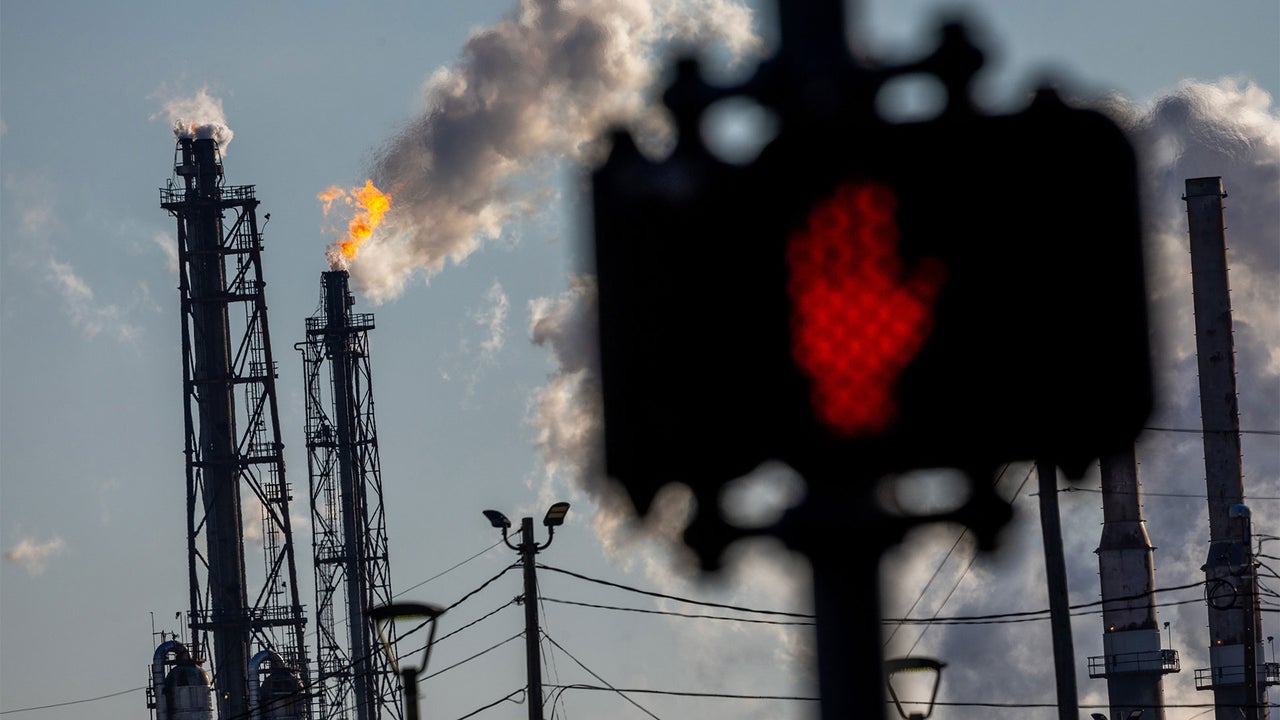
The Trump administration is challenging the long-standing right of citizens to enforce environmental protection laws in the United States, a mechanism established by Congress to ensure accountability when the executive branch fails to act. These "citizen suit provisions," embedded within foundational environmental legislation such as the Clean Air Act, Clean Water Act, and Safe Drinking Water Act, empower individuals and advocacy groups to initiate legal action against entities violating environmental regulations or against federal agencies for non-enforcement. Since their inception, these provisions have been instrumental in environmental protection, featuring in over 2,000 lawsuits and shaping modern environmental law. Citizen suits have successfully halted dam construction to protect endangered species, terminated wastewater injection into groundwater, and secured $14.2 million in civil penalties for illegal emissions from a petrochemical facility, demonstrating their significant impact on environmental cleanup and regulatory enforcement.
Historically, the process for initiating a citizen suit involves providing formal notification to the suspected violator and the U.S. Environmental Protection Agency (EPA) of the alleged violation. If the issue remains unaddressed after a 60-day period, citizens are then permitted to file a lawsuit. These legal actions commonly seek court orders to cease polluting activities and may also demand compensation for environmental remediation or damages. The U.S. Department of Justice, under the Trump administration, has asserted in a legal filing related to a case involving xAI that citizens should be precluded from enforcing these laws, arguing that such enforcement should exclusively remain with the executive branch, irrespective of whether the executive branch chooses to take action. This stance represents a significant departure from decades of established practice and legal precedent.
The implications of this challenge are far-reaching, potentially undermining a critical avenue for environmental protection that has proven effective for over half a century. The administration's position, as articulated in a legal filing, suggests a desire to centralize enforcement authority within the executive branch, thereby limiting the public's ability to independently pursue environmental justice. This move could diminish the efficacy of environmental laws by removing a crucial layer of oversight and enforcement, particularly in instances where governmental agencies may be slow to respond or choose not to act. The administration's argument, if successful, could set a precedent that weakens the power of citizens to hold polluters and negligent agencies accountable through the judicial system, thereby impacting the ongoing efforts to safeguard the nation's air, water, and natural resources.
Original source — read the full reporting at the publisher:
Read on Fast CompanyGet the weekly AI digest
AI news + new model releases, weekly. Drafted by our agents, reviewed by humans.