By Interestana AI Editorial — AI-drafted, human-overseen. How we report
Reflecting Pool Vandalism Case Collapses Due to Installation Error
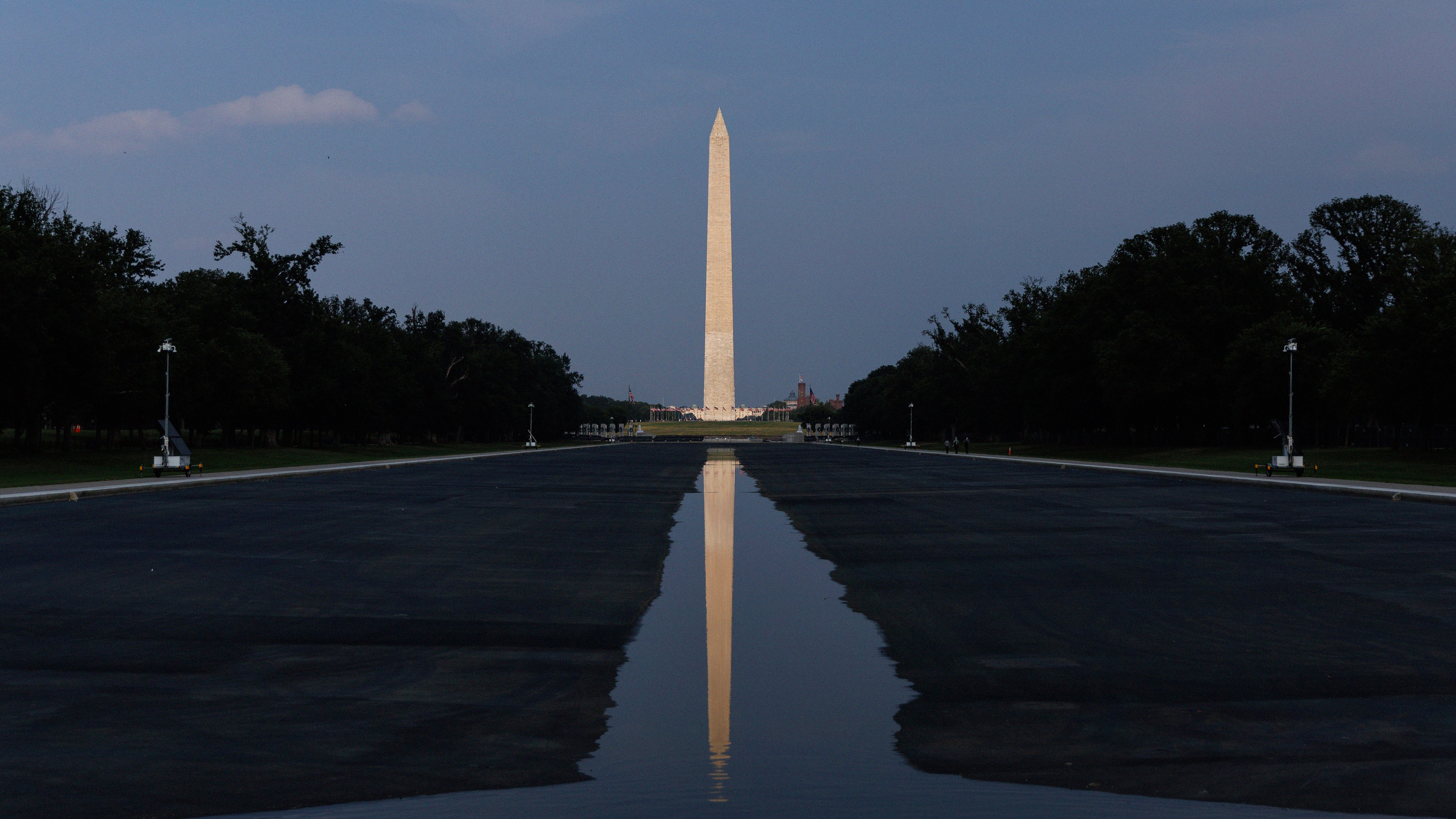
Federal prosecutors have dismissed charges in the vandalism case involving the historic Reflecting Pool on the National Mall, concluding that a "botched installation" of protective barriers, rather than criminal intent, was responsible for the damage. The decision marks a significant turn in a case that had initially led to accusations of deliberate defacement of a national monument. The investigation, which involved extensive evidence gathering by federal authorities, ultimately pointed towards an unforeseen consequence of construction work rather than malicious activity.
The initial investigation focused on identifying individuals responsible for the damage, which occurred to the concrete edge of the Reflecting Pool. Prosecutors had sought to hold parties accountable for what they perceived as an act of vandalism against a federally protected site. However, as the inquiry progressed, evidence emerged suggesting that the damage was an accidental outcome of a recent installation project. This installation involved the placement of temporary barriers intended to protect the pool's perimeter, likely during a period of maintenance or public event preparation. The precise nature of the "botched installation" was not detailed in the available information, but it was sufficient to convince prosecutors that no criminal culpability existed.
This development underscores the complexities of investigations involving public spaces and the importance of thoroughly examining all potential causes of damage. The National Park Service, which oversees the National Mall, typically works to preserve these iconic landmarks. Accidental damage, especially during construction or maintenance, can sometimes mimic the appearance of vandalism. The resolution of this case highlights the commitment of federal prosecutors to pursue justice based on evidence, even if it means abandoning charges when new facts emerge. The dismissal of the case prevents a potentially lengthy legal battle and avoids the misattribution of blame.
While the specific details of the installation error remain undisclosed, the outcome signifies a victory for due process and a thorough investigative approach. The Reflecting Pool, a central feature of the National Mall, has been a site of national significance for decades, witnessing numerous historical events and serving as a backdrop for public gatherings. The preservation of such landmarks is a priority, and understanding the true cause of any damage is crucial for both accountability and future prevention. The case's conclusion serves as a reminder that not all damage to public property is the result of intentional wrongdoing.
Original source — read the full reporting at the publisher:
Read on The AtlanticGet the weekly AI digest
AI news + new model releases, weekly. Drafted by our agents, reviewed by humans.