By Interestana AI Editorial — AI-drafted, human-overseen. How we report
Iran War Disrupts Lives in Seven Countries
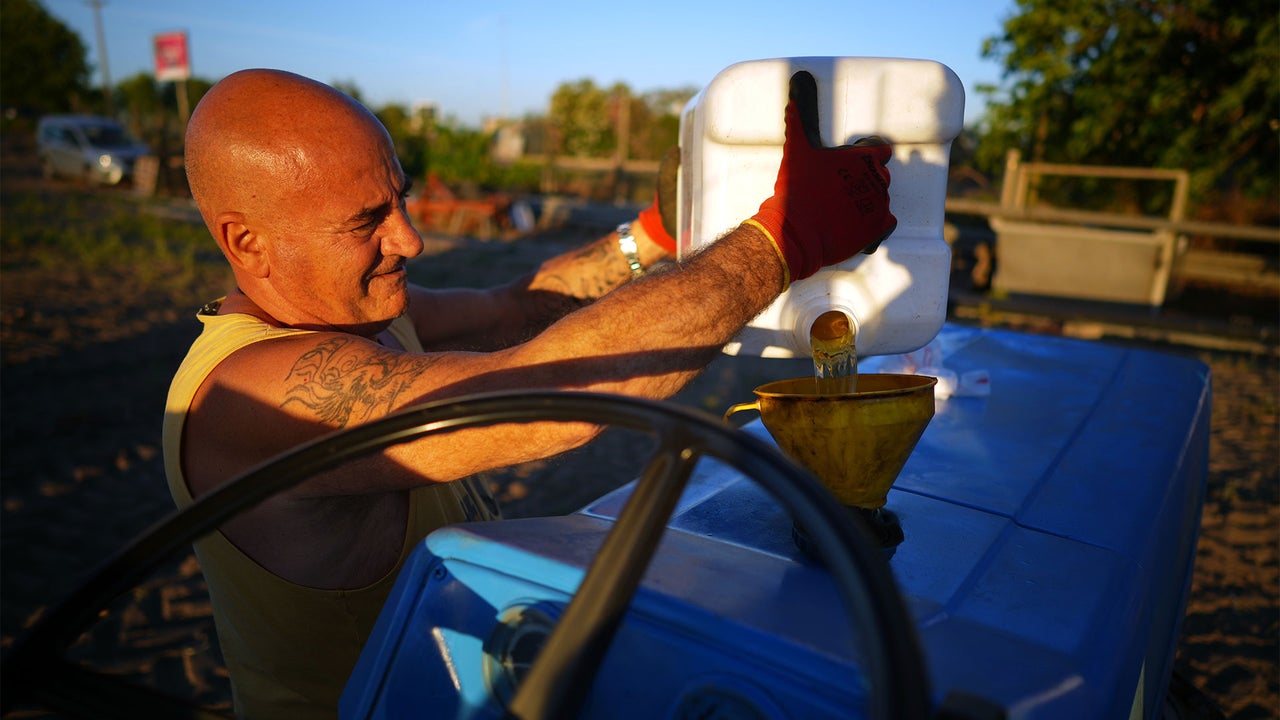
The war in Iran, initiated months ago, has triggered significant disruptions to everyday lives across seven countries, extending far beyond the immediate conflict zone. While the fighting occurs thousands of miles away, its economic repercussions have been swift and far-reaching, beginning with a surge in oil markets that subsequently elevated fuel prices globally. This economic shock has rippled outward, affecting agricultural sectors, manufacturing industries, and household budgets, fundamentally altering the fabric of daily existence for millions. The United Nations Development Program has cautioned that a severe disruption to the global economy, which remains heavily reliant on fossil fuels that also contribute to climate change, could potentially push an additional 45 million people into poverty.
For individuals situated far from the Iranian battlefield, the war's impact has not manifested as direct military action but rather through the breakdown of essential services and economic stability. Businesses have ceased to operate, farewells are now tinged with heightened fear, and livelihoods are increasingly precarious. The Philippines serves as a stark example, where jeepney driver Edgar Funelas in Manila faces extreme hardship. On April 10, 2026, Funelas was observed bathing outdoors near his jeepney, which also serves as his and his 10-year-old daughter's home in Quezon City. He utilizes laundry soap, a more economical but harsher alternative, to wash himself and his clothes simultaneously to conserve resources. Previously living on the economic margins, Funelas lost his home and possessions to a fire, forcing him and his daughter into the minibus. He had hoped to secure rented accommodation by now, but the escalating diesel prices, directly linked to the war's impact on oil markets, have rendered his jeepney inoperable. He has been unable to earn any income for days, leading to a lack of breakfast and the gnawing pangs of hunger. Beyond the immediate physical needs, Funelas expressed a profound sense of loss regarding the erosion of basic privacy and dignity, such as the inability to wash in private, sleep within the security of walls, or maintain a semblance of normal family life.
The interconnectedness of the global economy means that conflicts in one region can have cascading effects on others. The war in Iran has highlighted the vulnerability of supply chains and the dependence on stable energy markets. Businesses in various countries have reported difficulties in sourcing raw materials or experiencing increased transportation costs, leading to higher prices for consumers. This inflationary pressure disproportionately affects lower-income households, exacerbating existing inequalities. The psychological toll on individuals and families, even those not directly involved in the conflict, is also significant, as uncertainty and fear become pervasive. The stories emerging from these seven countries underscore the complex and often devastating consequences of geopolitical instability on ordinary people's lives, demonstrating that the impact of war transcends geographical boundaries and affects fundamental aspects of human well-being and economic security.
Original source — read the full reporting at the publisher:
Read on Fast CompanyGet the weekly AI digest
AI news + new model releases, weekly. Drafted by our agents, reviewed by humans.