By Interestana AI Editorial — AI-drafted, human-overseen. How we report
Culture War Allegations Threaten Public Schools
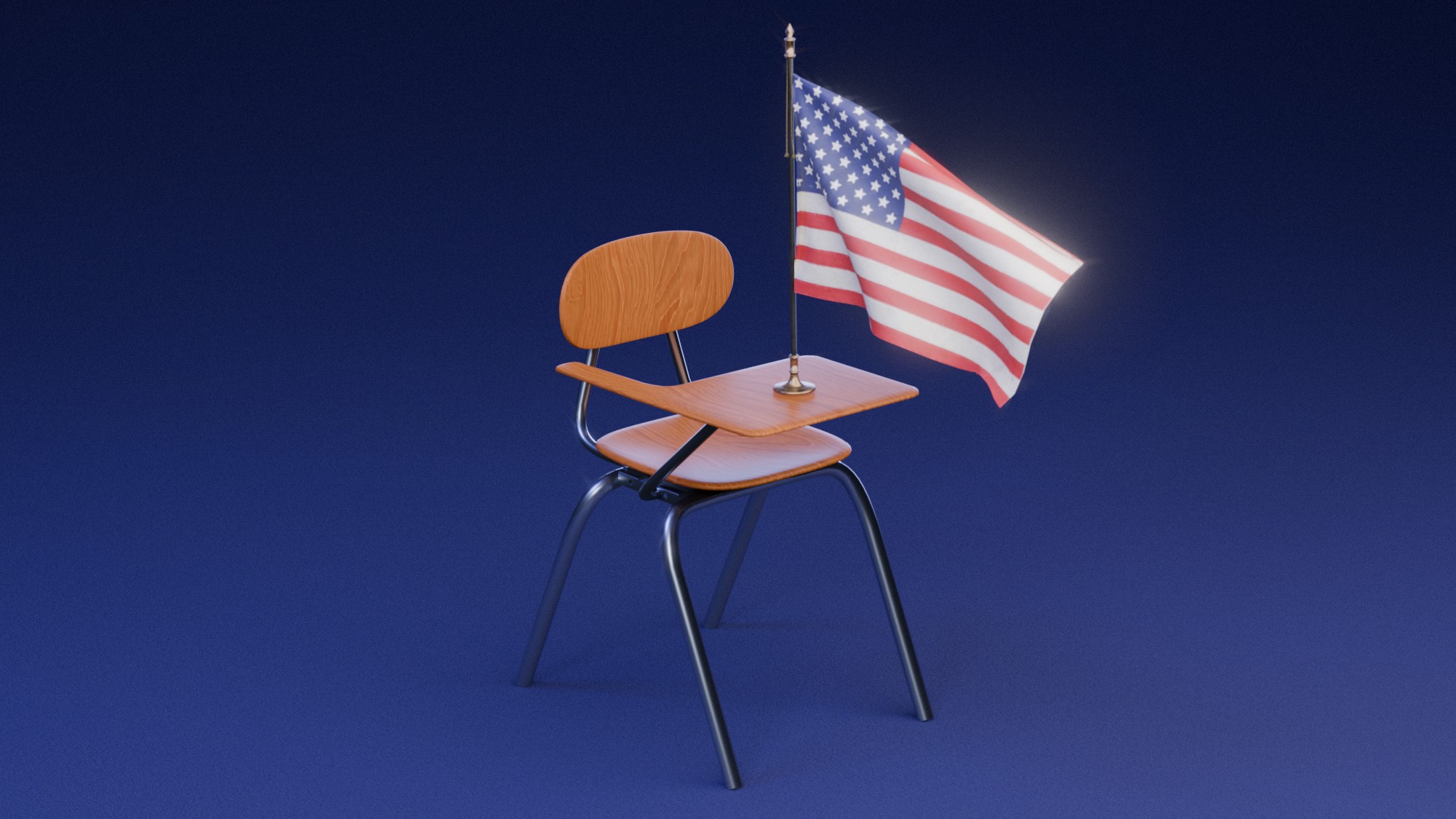
Allegations of "woke nonsense" within public school curricula have become a significant point of contention in the ongoing culture war, potentially imperiling a crucial source of Americans' common identity. These disputes, often amplified through political rhetoric and media coverage, focus on issues such as diversity, equity, inclusion, and discussions around race, gender, and sexuality. Critics argue that these topics are being taught in a way that promotes a specific political agenda, leading to accusations of indoctrination and a departure from traditional educational values. This framing frames public education not as a shared civic institution, but as a battleground for competing ideologies.
The intensity of these debates risks eroding public trust and support for public schools, which have historically served as a cornerstone of American democracy and social mobility. When parents and community members feel alienated or believe their values are being challenged, it can lead to decreased parental involvement, decreased funding through local taxes, and increased calls for alternatives like private or homeschooling. This fragmentation of educational consensus can weaken the unifying role public schools play in preparing all students, regardless of background, for civic life and shared national experience. The very idea of a common identity, forged through shared educational experiences and civic values, is put at risk when schools become sites of deep cultural division.
Furthermore, the focus on these cultural disputes can divert attention and resources away from core educational objectives, such as improving academic outcomes in subjects like math, science, and literacy. Educators may feel pressured to avoid sensitive topics or to conform to specific political viewpoints, potentially stifling intellectual inquiry and critical thinking. This environment can create a chilling effect on curriculum development and teaching practices, ultimately disadvantaging students by limiting their exposure to diverse perspectives and complex ideas. The long-term consequences could include a less informed citizenry and a more polarized society, as the shared civic foundation that public schools aim to build is undermined by divisive cultural battles.
The politicization of education also impacts the teaching profession, leading to increased scrutiny of teachers and administrators, and potentially contributing to teacher shortages. When educators are constantly under fire for their teaching methods or curriculum choices, it can lead to burnout and a reluctance to enter or remain in the profession. This creates a cycle where the quality of education itself can suffer, further exacerbating the challenges faced by public schools. The debate over "woke nonsense" thus represents a broader struggle over the role and purpose of public education in a diverse and evolving society, with significant implications for national cohesion and the future of American civic identity.
Original source — read the full reporting at the publisher:
Read on The AtlanticGet the weekly AI digest
AI news + new model releases, weekly. Drafted by our agents, reviewed by humans.