By Interestana AI Editorial — AI-drafted, human-overseen. How we report
Tesla Pushes EU Regulators on FSD Approval
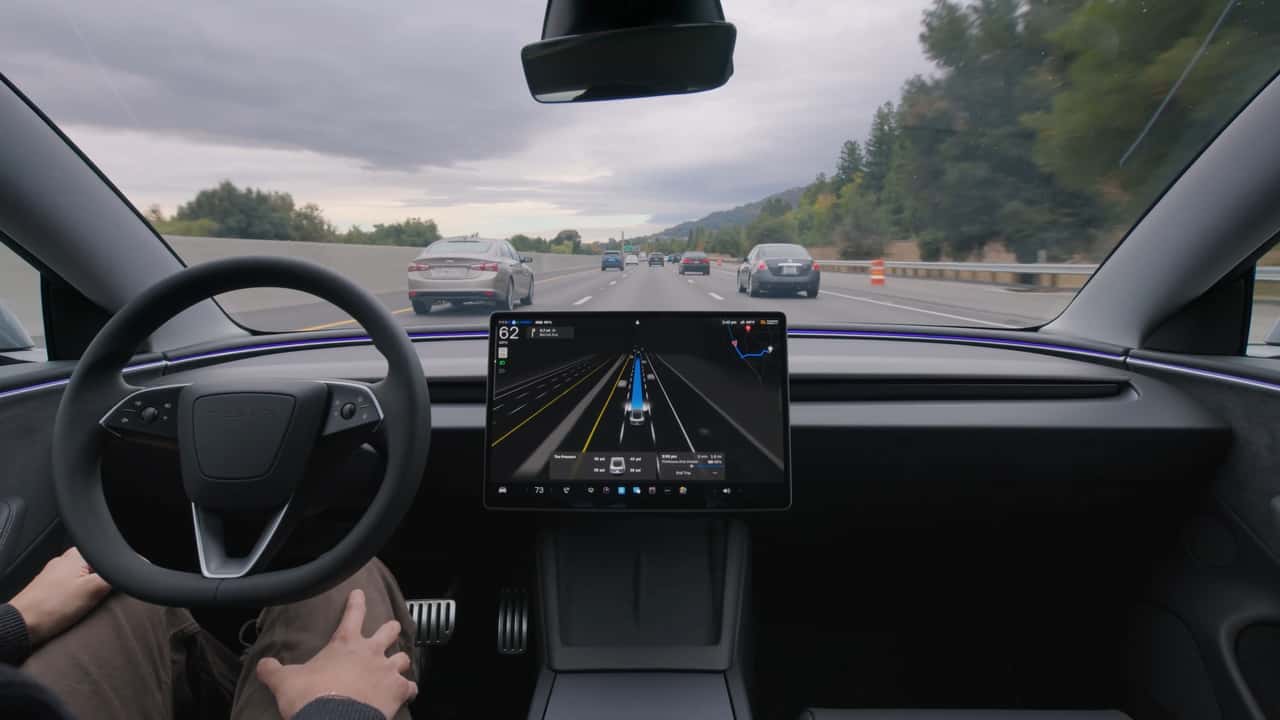
Tesla, under the leadership of Elon Musk, is actively pressuring European regulators to expedite the approval process for its Full Self-Driving (FSD) technology. Musk and a significant online following have asserted that delays in FSD's European rollout will result in preventable fatalities. However, scientific experts and researchers have stated that there is currently no empirical evidence to substantiate these claims regarding the life-saving impact of FSD in the European context. This push comes as Tesla aims to expand its autonomous driving capabilities to a wider global market, facing a complex and stringent regulatory landscape in the European Union.
The European Union's regulatory framework for advanced driver-assistance systems (ADAS) and autonomous driving technologies is characterized by rigorous safety standards and extensive testing protocols. Unlike in the United States, where Tesla has been able to deploy FSD Beta with varying degrees of oversight, European authorities typically require a more comprehensive demonstration of safety and reliability before granting widespread approval. This includes detailed data on system performance, accident rates, and the technology's ability to handle diverse driving conditions and unpredictable scenarios common in European urban and rural environments.
Tesla's lobbying efforts are reportedly focused on convincing regulators that FSD, even in its current iteration, offers a significant safety advantage over human drivers. The company's argument likely centers on the potential for FSD to reduce human error, which is a leading cause of traffic accidents. However, critics and independent researchers point to the inherent complexities of real-world driving, including the unpredictable behavior of other road users, adverse weather conditions, and the nuances of European road infrastructure, which pose substantial challenges for any automated driving system. The lack of peer-reviewed scientific studies specifically validating FSD's safety benefits in European conditions remains a significant hurdle.
Scientists and safety advocates have expressed concerns that the public discourse, amplified by Musk and his supporters, may be creating undue pressure on regulatory bodies. They emphasize that decisions regarding the deployment of safety-critical technologies like FSD should be based on robust, independent scientific validation and thorough risk assessments, rather than on anecdotal evidence or marketing claims. The debate highlights a broader tension between rapid technological innovation and the imperative of ensuring public safety through cautious and evidence-based regulatory oversight. The outcome of Tesla's lobbying could set a precedent for how similar autonomous driving technologies are evaluated and approved across the EU.
Original source — read the full reporting at the publisher:
Read on InsideEVsGet the weekly AI digest
AI news + new model releases, weekly. Drafted by our agents, reviewed by humans.