By Interestana AI Editorial — AI-drafted, human-overseen. How we report
How 'Star Trek' Inspired Real-World Technology, From Flip Phones to Universal Translators
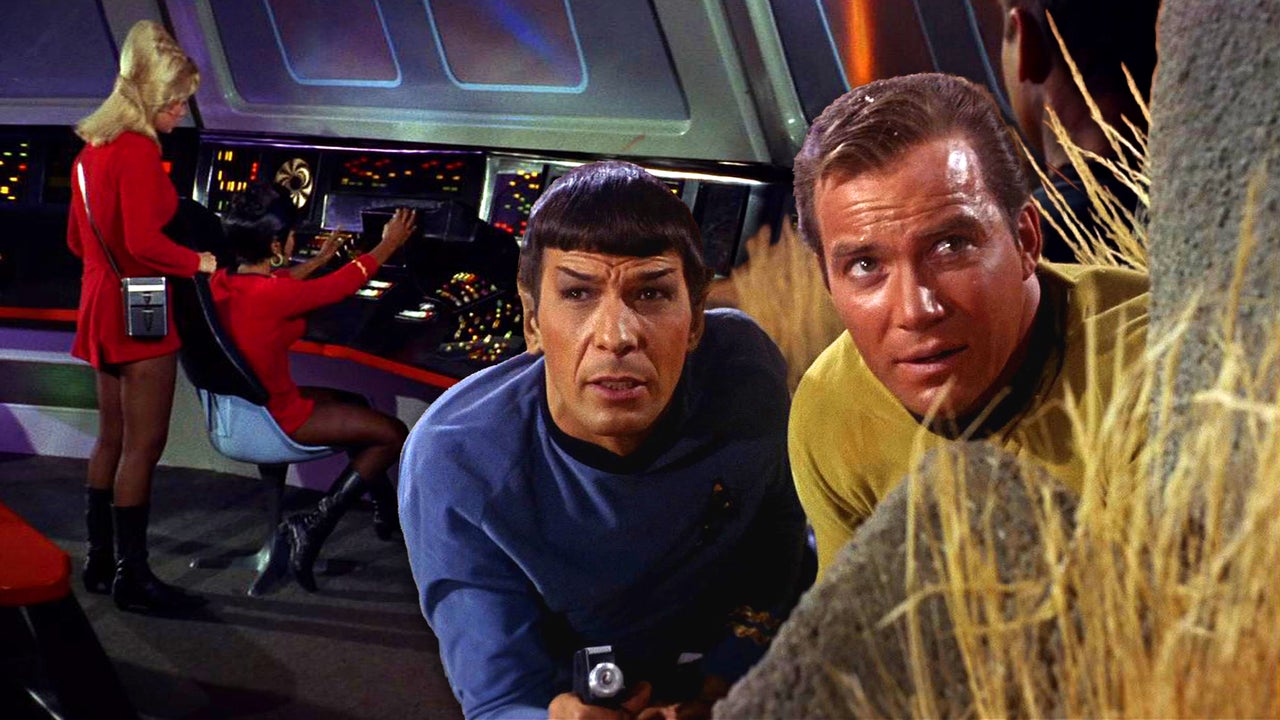
The groundbreaking science fiction series *Star Trek*, which first premiered on September 8, 1966, at 8:30 p.m. Eastern Time, has left an indelible mark on both popular culture and technological innovation. Despite its original run lasting only three seasons, the show's enduring appeal has cultivated a massive entertainment empire, complete with numerous films, successful spin-off series, extensive merchandise, and a dedicated global fan base that rivals few other intellectual properties. Beyond its entertainment value, *Star Trek* served as a powerful wellspring of inspiration for countless developers and engineers who grew up captivated by its futuristic visions.
The show's imaginative depiction of technology has directly influenced the creation of devices that are now commonplace. A prime example is the 'communicator,' a portable, flip-open device used by Captain Kirk and the crew of the USS Enterprise to maintain contact with each other and the starship. This on-screen gadget is widely credited with inspiring Martin Cooper, a pioneering engineer at Motorola, who is recognized for inventing the first handheld cellular phone in the 1970s. The design principles of the *Star Trek* communicator were visibly echoed in the Motorola StarTAC, released in 1989, which featured a similar flip-open mechanism. This form factor was further popularized by the Motorola Razr in 2004, a device that became a cultural icon. Today's ubiquitous smartphones, such as Apple's iPhones and the vast array of Android devices, represent the evolutionary descendants of these early mobile phones, offering capabilities that far surpass the simple voice communication envisioned by Cooper and the *Star Trek* creators.
Another significant technological concept introduced by *Star Trek* was the 'universal translator.' This device, famously utilized by Lt. Uhura on the Enterprise, was designed to instantly decipher and translate alien languages, facilitating communication across species. While a perfect, all-encompassing interspecies translator remains in the realm of science fiction, modern technology has made remarkable strides in real-time language translation for human languages. This progress is evident in numerous applications, including Google Translate and iTranslate, which offer on-demand translation services. Furthermore, advancements in artificial intelligence have led to sophisticated AI-assisted earbuds, such as Samsung's Galaxy Buds4 line and Timekettle's W4 Pro, capable of near-instantaneous spoken language translation. These developments highlight how the speculative concepts presented in *Star Trek* have catalyzed tangible technological progress, shaping the communication tools and devices that are now integral to our daily lives and demonstrating a profound connection between imaginative storytelling and practical invention.
Original source — read the full reporting at the publisher:
Read on Fast CompanyGet the weekly AI digest
AI news + new model releases, weekly. Drafted by our agents, reviewed by humans.