By Interestana AI Editorial — AI-drafted, human-overseen. How we report
Night Owls Can Improve Sleep Without Early Rising
For individuals who naturally function best at night, commonly referred to as night owls, achieving adequate and quality sleep presents unique challenges. While the conventional advice is to simply go to bed and wake up earlier, this approach is often impractical and ineffective for those with a chronotype that favors later sleep and wake times. Recent sleep research is shedding light on strategies that can help night owls improve their sleep without necessarily altering their fundamental sleep schedule. These strategies focus on optimizing the sleep environment and daily routines to align with a later sleep pattern, mitigating the negative health and performance consequences associated with poor sleep.
Poor sleep habits, regardless of timing, can lead to significant health and safety issues in the workplace, reduce work performance, and increase the risk of various physical health problems. Furthermore, studies have indicated a correlation between late sleep schedules and heightened vulnerability to mental health issues, as well as difficulties in maintaining work-life balance. Even when night owls manage to obtain a sufficient duration of sleep, the timing itself can still contribute to adverse effects. A study conducted by Stanford University, which analyzed health data from over 70,000 adults, found that later bedtimes were associated with poorer mental health outcomes, both in the short term and over extended periods. This finding challenges the notion that adhering to one's natural sleep pattern is always optimal for health.
Jamie Zeitzer, the lead author of the Stanford study and codirector of the Center for Sleep and Circadian Sciences at Stanford Medicine, suggests that social isolation might be a contributing factor to the poorer mental health observed in late sleepers. When individuals go to sleep very late, such as at 3 a.m., there are fewer people awake, potentially leading to feelings of isolation. While early risers also experience periods of solitude, they tend to wake up during a time when people generally feel mentally refreshed. In contrast, night owls may find themselves dwelling on thoughts after a day's activities, without the immediate social engagement that can buffer such feelings. This highlights the complex interplay between sleep timing, social factors, and mental well-being.
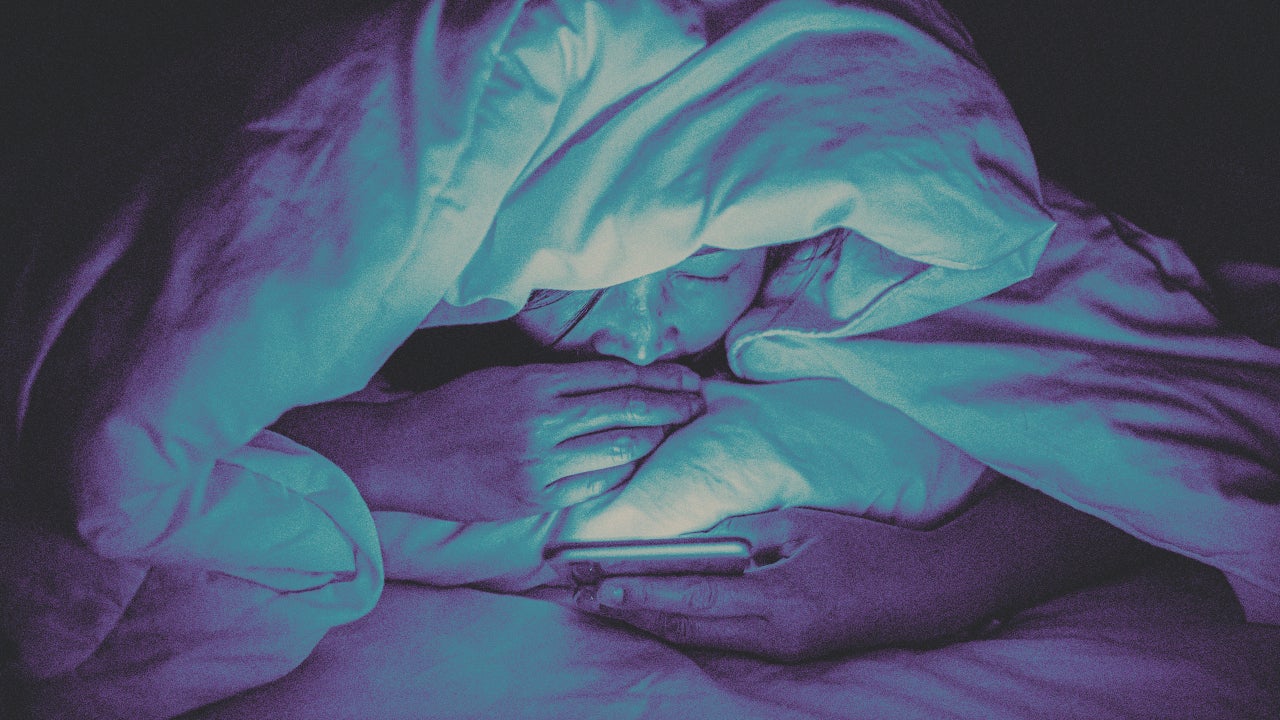
To address these challenges, experts recommend several actionable strategies for night owls. One key recommendation involves managing light exposure. Maximizing exposure to bright light in the morning and early afternoon can help to signal to the body that it is daytime, even if waking occurs later. Conversely, minimizing exposure to bright light, particularly blue light emitted from electronic devices, in the hours leading up to bedtime is crucial for promoting melatonin production and facilitating sleep onset. Another important strategy is to maintain a consistent meal schedule. Eating meals at roughly the same times each day can help to regulate the body's internal clock, or circadian rhythm, which influences sleep-wake cycles. While avoiding the pressure to wake up earlier, night owls can focus on optimizing their sleep hygiene and environmental cues to achieve more restorative sleep and mitigate the associated health risks.
Original source — read the full reporting at the publisher:
Read on Fast CompanyGet the weekly AI digest
AI news + new model releases, weekly. Drafted by our agents, reviewed by humans.