By Interestana AI Editorial — AI-drafted, human-overseen. How we report
Tesla Model 3, Y Lose Range After 100,000 Miles
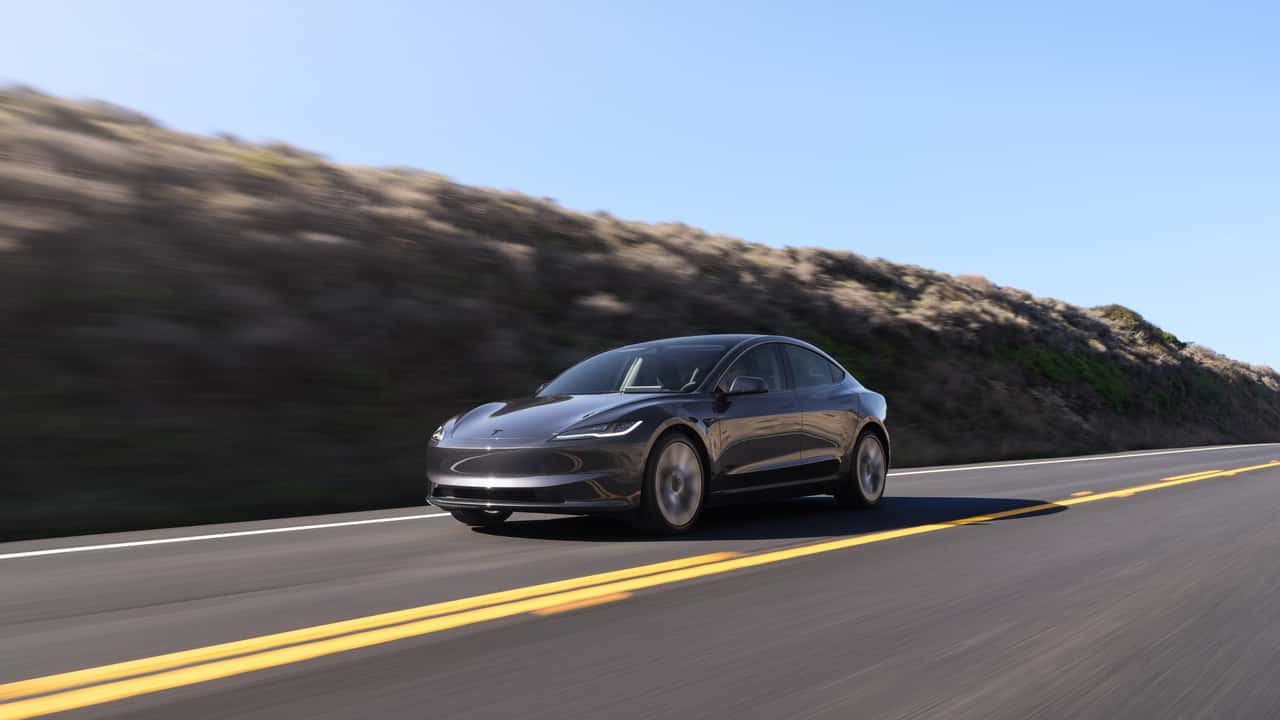
Tesla's Model 3 and Model Y electric vehicles experienced notable battery range degradation after accumulating nearly 100,000 miles, according to a comprehensive study of 500,000 electric vehicles. The research, which analyzed battery longevity across a vast dataset, placed Tesla's popular models near the lower end of the spectrum in terms of sustained range performance over time and usage. This finding contrasts with the general expectation of robust battery health in electric cars, particularly as the technology matures and manufacturers aim for extended vehicle lifespans. The study did not specify the exact percentage of range loss for the Tesla models but indicated it was significant enough to place them unfavorably compared to other EV manufacturers included in the analysis. The implications of this degradation could affect resale values and the long-term practicality for owners who rely on consistent range for daily commuting or longer journeys. The study's methodology involved collecting anonymized data from a large fleet of electric vehicles, allowing for statistical analysis of battery health indicators, including State of Health (SoH) and remaining range at various mileage milestones. While Tesla has been a leader in EV adoption and battery technology, this particular study highlights a potential area for improvement in their battery management systems or chemistry to ensure greater long-term range retention. The broader context of EV battery degradation is a critical factor for consumer confidence and the overall transition to electric mobility. As more EVs are deployed, understanding how their batteries perform over hundreds of thousands of miles is crucial for predicting total cost of ownership and environmental impact. The study's findings are likely to prompt further investigation into the specific factors contributing to the observed degradation in Tesla vehicles, such as charging habits, climate conditions, and battery thermal management. Other manufacturers, such as Chevrolet with its Bolt EV and Nissan with its Leaf, have also faced scrutiny regarding battery longevity in earlier models, underscoring the complexity of achieving consistent, long-term battery performance across different vehicle platforms and chemistries. The study's authors emphasized that while some degradation is inevitable, the rate and extent can vary significantly, impacting the overall user experience and the economic viability of electric vehicles over their entire operational life. This research provides valuable data for consumers making purchasing decisions and for manufacturers seeking to enhance the durability and reliability of their electric powertrains. The specific dataset size of 500,000 EVs is substantial, lending considerable weight to the conclusions drawn regarding the performance of various models, including the Tesla Model 3 and Model Y, after extensive use.
Original source — read the full reporting at the publisher:
Read on InsideEVsGet the weekly AI digest
AI news + new model releases, weekly. Drafted by our agents, reviewed by humans.