By Interestana AI Editorial — AI-drafted, human-overseen. How we report
Trump's 'Economic D-Day' Could Impact Iran's Oil Exports
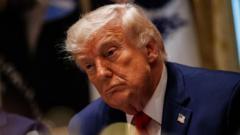
Former President Donald Trump has proposed an "economic D-Day" strategy aimed at significantly increasing pressure on Iran through intensified sanctions. This initiative, if implemented, could have substantial repercussions for Iran's economy, particularly its crucial oil export sector. Iran has historically demonstrated resilience in navigating existing sanctions, often finding alternative markets and methods to circumvent restrictions. However, the proposed "economic D-Day" suggests a more aggressive and comprehensive approach that could make these circumvention tactics more difficult to sustain. The core of this strategy likely involves targeting Iran's primary source of foreign revenue: its oil exports. The United States has previously used sanctions to limit Iran's ability to sell oil on the international market, significantly impacting its economy. A renewed and potentially broader application of these measures could further restrict Iran's access to global markets, thereby reducing its oil revenues. This reduction in revenue could, in turn, limit the Iranian government's financial capacity to fund domestic programs, support regional allies, and maintain its military capabilities. The effectiveness of such a strategy would depend on several factors, including the specific measures enacted, the extent of international cooperation or opposition, and Iran's ability to adapt its economic strategies. Past sanctions have led to significant economic hardship in Iran, including currency depreciation and inflation, affecting the daily lives of its citizens. The proposed "economic D-Day" could exacerbate these conditions. The Trump administration previously implemented a "maximum pressure" campaign against Iran, which included re-imposing and expanding sanctions after the U.S. withdrawal from the Joint Comprehensive Plan of Action (JCPOA) in 2018. These sanctions targeted various sectors, including oil, petrochemicals, and financial institutions. The "economic D-Day" concept appears to build upon this prior experience, suggesting a desire to inflict maximum economic pain to compel changes in Iran's behavior. The potential impact extends beyond Iran's borders, as disruptions to oil supply from a major producer can influence global energy prices and market stability. However, the extent to which Iran's oil exports could be curtailed and the subsequent global market reaction remain subjects of analysis. The success of such a policy would also hinge on the willingness of other nations to enforce or comply with the intensified sanctions, a factor that has varied in previous instances. The Iranian government has consistently denounced sanctions as economic warfare and a violation of international norms, and would likely seek to counter any new measures through diplomatic and economic means. The proposed "economic D-Day" represents a potential escalation in economic statecraft, with significant implications for Iran's financial standing and its role in regional and global affairs.
Original source — read the full reporting at the publisher:
Read on BBC World NewsGet the weekly AI digest
AI news + new model releases, weekly. Drafted by our agents, reviewed by humans.