By Interestana AI Editorial — AI-drafted, human-overseen. How we report
Meta VR Glasses Outperform Apple Vision Pro
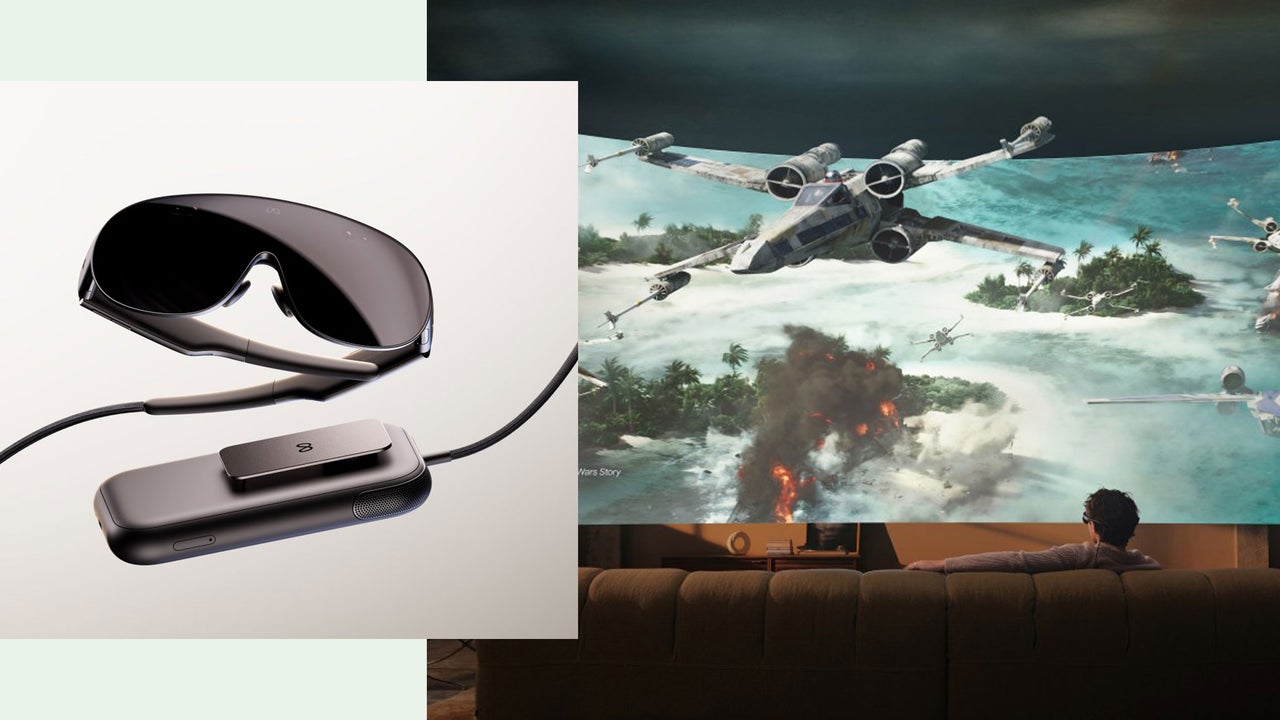
Meta's virtual reality glasses are demonstrating greater market success compared to Apple's Vision Pro, largely attributed to Meta's strategic focus on accessibility and a wider market appeal. Apple's Vision Pro, launched with a significant price tag of $3,499, faced immediate challenges stemming from its reliance on advanced, low-yield OLED display panels manufactured by Sony. These panels were reportedly produced in quantities of less than one million units annually, inherently limiting the device's scalability and potential to become a mass-market product akin to the iPhone or Apple Watch. While Apple acknowledged these limitations, the company proceeded with the launch to establish its platform, despite the anticipated reception. The Vision Pro has since experienced a slowdown in content development, and availability has not been an issue, suggesting it has not achieved even its initial goal of exciting early adopters and developers. This contrasts with Meta's approach, which has prioritized broader accessibility and a more diverse range of applications for its VR hardware. Meta's strategy appears to be centered on making VR technology more attainable and integrated into everyday user experiences, thereby fostering a more robust ecosystem. The success of Meta's VR offerings can be linked to its ability to balance technological innovation with practical market considerations, such as cost-effectiveness and user adoption rates. By avoiding the high-cost, cutting-edge components that constrained the Vision Pro's production and pricing, Meta has been able to reach a larger consumer base. This wider adoption, in turn, encourages more developers to create content and applications, creating a positive feedback loop that fuels the platform's growth. The Vision Pro's current trajectory suggests it remains a niche product, primarily for enthusiasts and developers, rather than a mainstream device. Meta's VR hardware, conversely, seems to be carving out a more significant presence by catering to a broader spectrum of users and use cases. The company's ongoing investment in VR technology, coupled with its established social media platforms, provides a strong foundation for continued expansion and market penetration. This strategic differentiation highlights how different market philosophies can lead to divergent outcomes in the competitive landscape of extended reality hardware.
Original source — read the full reporting at the publisher:
Read on Fast CompanyGet the weekly AI digest
AI news + new model releases, weekly. Drafted by our agents, reviewed by humans.