By Interestana AI Editorial — AI-drafted, human-overseen. How we report
US Unprepared for Major Atlantic Hurricane Disaster
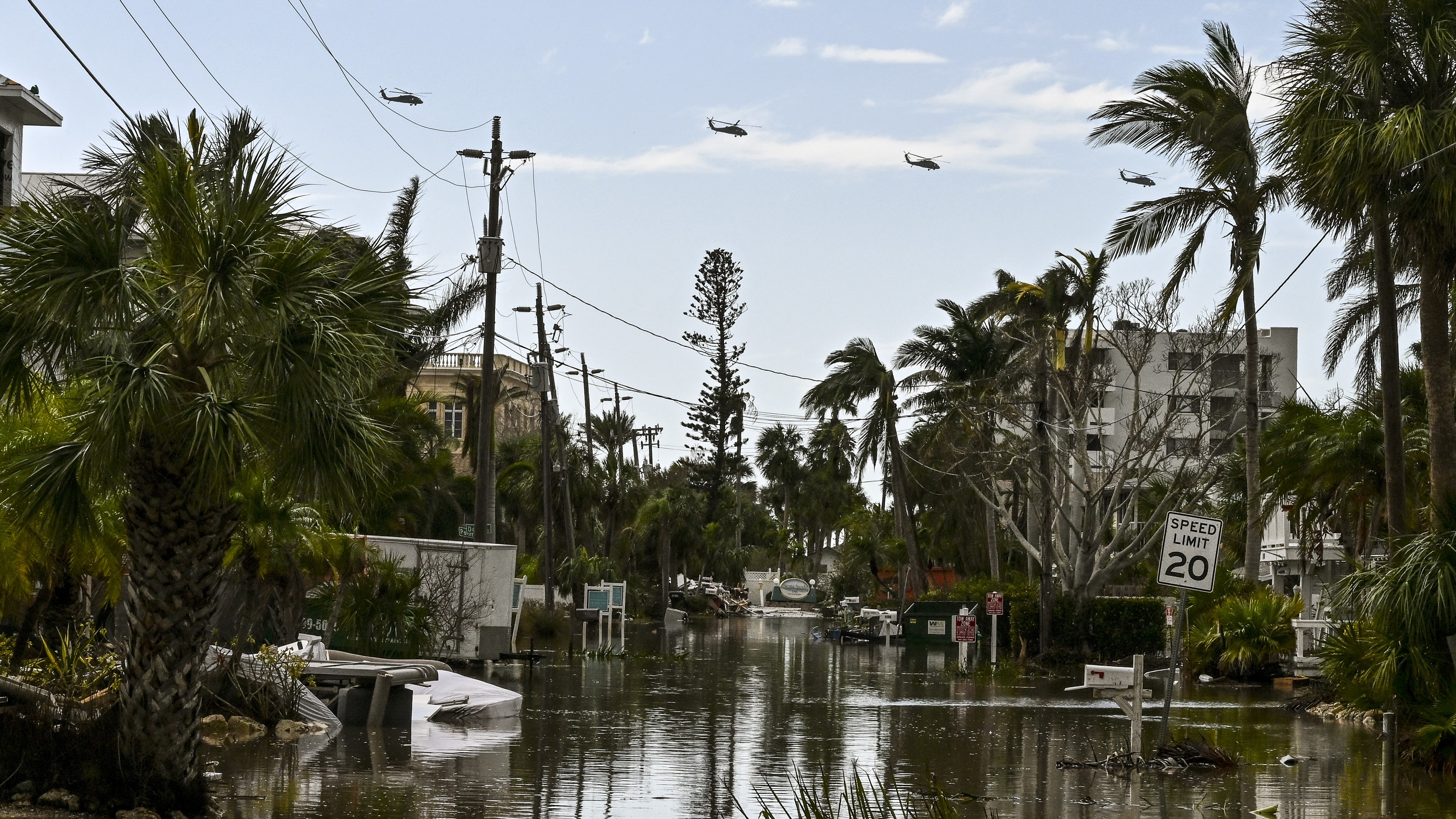
The United States government demonstrates a concerning lack of readiness for a major Atlantic hurricane disaster, a vulnerability that persists despite the annual threat posed by these powerful storms. This unpreparedness extends across various critical sectors, including emergency management, infrastructure resilience, and public communication strategies, leaving the nation exposed to potentially catastrophic consequences. The frequency and intensity of Atlantic hurricanes have been a subject of increasing scientific scrutiny, with climate change models suggesting a potential for more severe storm events in the future. However, current governmental frameworks and resource allocations appear insufficient to adequately address the multifaceted challenges a large-scale hurricane event would present.
Key areas of concern include the capacity of emergency response agencies to manage widespread evacuations, provide immediate relief to affected populations, and coordinate recovery efforts across multiple jurisdictions. The logistical complexities of deploying resources, such as shelter, food, water, and medical aid, to vast disaster zones are immense. Furthermore, the resilience of critical infrastructure, including power grids, transportation networks, and communication systems, remains a significant point of vulnerability. Damage to these systems can cripple response efforts and prolong the suffering of affected communities. The economic impact of a major hurricane can be staggering, with billions of dollars in damages and long-term recovery costs, placing a substantial burden on federal, state, and local budgets.
Public preparedness also remains a critical factor. Many individuals and communities may not have adequate emergency plans, supplies, or awareness of evacuation routes and safety protocols. Effective communication before, during, and after a storm is paramount, yet the mechanisms for disseminating vital information to all segments of the population, especially vulnerable groups, require continuous improvement. The potential for cascading failures, where the disruption of one system triggers failures in others, amplifies the overall risk. For instance, power outages can disable communication networks and water treatment facilities, exacerbating the impact on public health and safety. The long-term recovery process, often spanning years, involves not only rebuilding physical infrastructure but also addressing the psychological and economic well-being of affected populations, a task for which current governmental structures may be ill-equipped.
The ongoing threat of Atlantic hurricanes necessitates a proactive and comprehensive approach to disaster preparedness. This includes sustained investment in early warning systems, infrastructure hardening, robust emergency management training, and public education campaigns. Without significant advancements in these areas, the United States will continue to face an elevated risk of severe disruption and loss in the face of a major hurricane event. The absence of a truly ready government response underscores a systemic challenge that requires urgent attention and strategic planning to mitigate future risks and protect lives and livelihoods.
Original source — read the full reporting at the publisher:
Read on The AtlanticGet the weekly AI digest
AI news + new model releases, weekly. Drafted by our agents, reviewed by humans.