By Interestana AI Editorial — AI-drafted, human-overseen. How we report
Japan's Rice Market Swings From Shortage to Surplus in Two Years
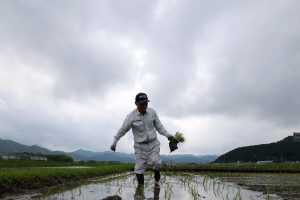
Japan's agricultural sector experienced an unprecedented fluctuation, transitioning from a critical rice shortage in 2024 to a record surplus by 2026. This dramatic swing, which has surprised agricultural experts, was influenced by a confluence of factors including climate change, a surge in tourism, and a trade dispute with the United States. Ryosuke Inoue, a visiting fellow at the CSIS Japan Chair and an expert in Japanese agricultural policy, noted that while supply-demand gaps can occur, the magnitude of this fluctuation was unexpected. He stated that "every expert is actually surprised by this fluctuation" and that even he did not anticipate the scale of the shift.
The initial shortage in 2024 was largely attributed to climate change impacts. Extreme heat and drought conditions in 2023 damaged Japan's rice crop during its crucial grain-filling stage, significantly reducing the yield of top-grade, sellable rice. This decrease in supply coincided with a substantial increase in demand. A post-pandemic tourism boom brought more visitors to Japan, leading to higher consumption of rice. Additionally, a brief period of panic buying following an earthquake warning further strained available stocks. The combination of reduced supply and heightened demand created a significant supply-demand gap, leading to the shortage.
According to data presented by Ryosuke Inoue, private rice stocks in Japan fell from a typical range of approximately 2 million tons to around 1.5 million tons. This reduction in inventory resulted in a sharp price increase for rice. A five-kilogram bag, which cost about ¥2,000 (approximately $13 USD) in early 2024, peaked at ¥4,300 (approximately $27 USD) by 2025. In response to this severe shortage, the Japanese government took the extraordinary step of releasing its emergency rice reserves in 2025. This marked the first time these reserves, established in 1995, had been utilized, underscoring the severity of the supply crisis.
The subsequent transition to a record surplus by 2026 involved several contributing factors. While the exact mechanisms are still being analyzed, it is understood that a combination of improved weather conditions in subsequent harvests, adjustments in government policy, and potentially shifts in international trade dynamics played a role. The surplus became so substantial that the government found itself needing to purchase rice back from the market to prevent a collapse in prices, a situation that further highlights the volatility experienced in the sector. The U.S. trade fight, though not detailed in the provided text, is also cited as a factor, suggesting that trade policies may have influenced import/export balances or domestic market conditions, contributing to the overall market imbalance.
The phenomenon of Japan's rice market swinging so drastically from shortage to surplus within a two-year period serves as a stark illustration of the vulnerabilities within agricultural systems. It highlights how interconnected factors like climate, global tourism trends, and international trade policies can create rapid and significant disruptions in essential food supplies. The situation also underscores the challenges governments face in managing strategic food reserves and stabilizing domestic markets amidst unpredictable global events and environmental changes.
Original source — read the full reporting at the publisher:
Read on FortuneGet the weekly AI digest
AI news + new model releases, weekly. Drafted by our agents, reviewed by humans.