By Interestana AI Editorial — AI-drafted, human-overseen. How we report
Grand Canyon Flash Flood Kills Two Amid Climate Factors
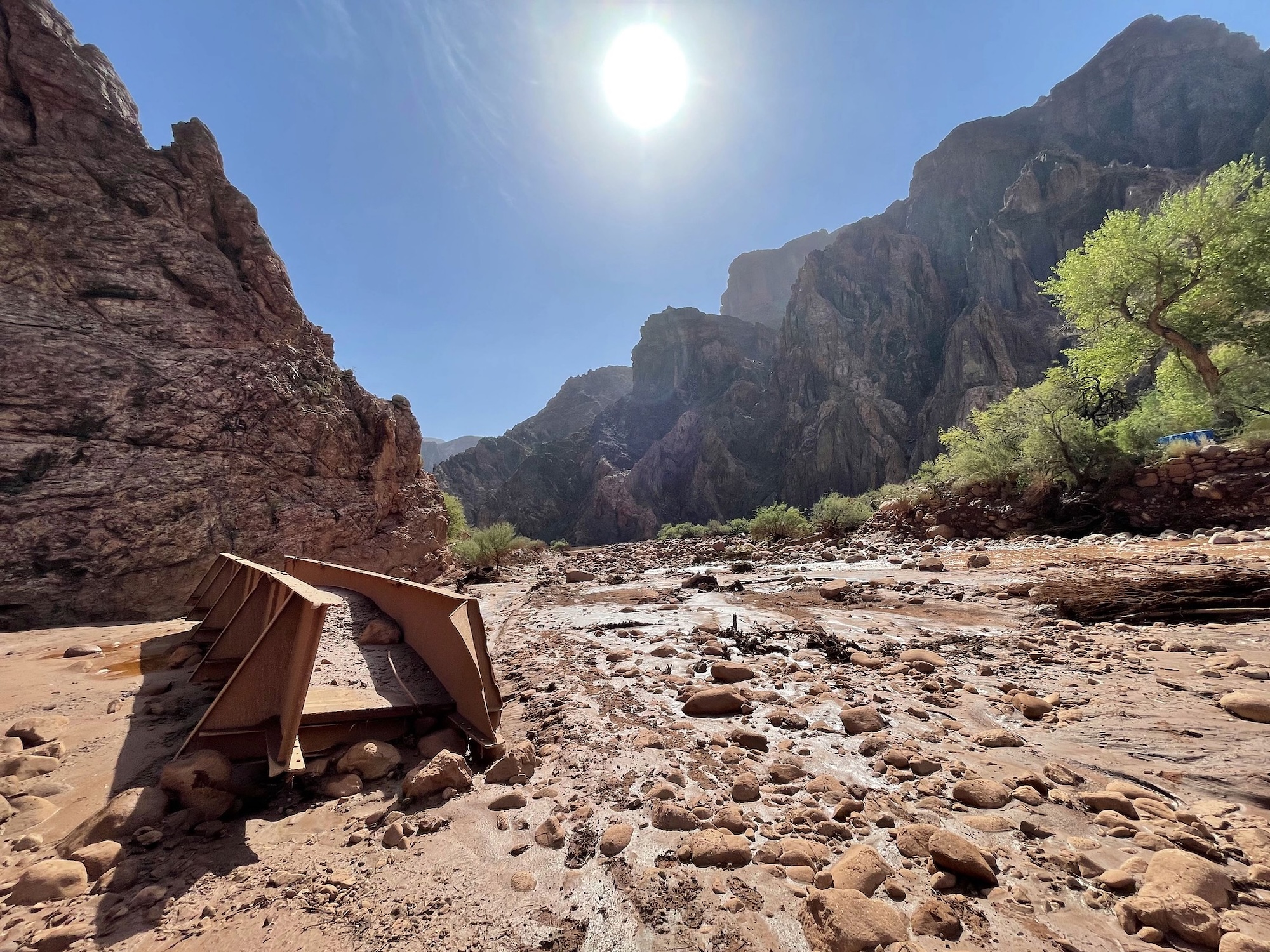
A deadly flash flood in the Grand Canyon over the weekend resulted in at least two fatalities, nearly 80 rescues, and one person unaccounted for, following a surge of water and debris through the Bright Angel Creek area on Saturday. The event was fueled by torrential rainfall within the national park. Flash floods are a recurring hazard in the region, particularly during the monsoon season from June to September, when intense rains can rapidly fill the canyon's narrow rock formations. The Grand Canyon's steep, rocky terrain exacerbates this risk by funneling water, transforming downpours into powerful walls of water. This particular storm occurred in an area affected by the Dragon Bravo wildfire, which burned nearly 150,000 acres and destroyed the historic Grand Canyon Lodge in July 2025. Post-wildfire landscapes, especially those with significant burn scars and reduced vegetation, tend to experience faster runoff. Federal models had indicated an increased risk of debris flows in Bright Angel Creek following the wildfire, with runoff risks estimated to be between two and eight times greater upstream of Phantom Creek. These models are used by teams from the Department of the Interior to assess post-fire threats to life, property, and natural resources. While the direct link between the 2025 wildfire and Saturday's disaster is still under investigation, the confluence of factors suggests a complex interplay of environmental conditions. Climate change is understood to influence these conditions, with warming temperatures in the Pacific Ocean potentially supercharging storm systems. Drought conditions can also contribute to increased wildfire severity and impact soil's ability to absorb water, further increasing runoff. The combination of these elements—drought, wildfire impacts, and potentially intensified rainfall patterns due to climate change—created a heightened risk environment for the flash flood. The National Park Service emphasizes the dangers of visiting the Grand Canyon during summer due to the unpredictable nature of thunderstorms and flash floods, which can develop rapidly even on clear days. The steep topography of the canyon is a critical factor in the rapid escalation of rainfall into dangerous floodwaters, as it efficiently channels water flow. The debris from the flood was visible the morning after the event, on August 30, 2026, highlighting the destructive power of the surge. The incident underscores the vulnerability of popular tourist destinations to extreme weather events, particularly in landscapes altered by natural disasters like wildfires and influenced by broader climate trends.
Original source — read the full reporting at the publisher:
Read on GristGet the weekly AI digest
AI news + new model releases, weekly. Drafted by our agents, reviewed by humans.