By Interestana AI Editorial — AI-drafted, human-overseen. How we report
Indian Scientists Map Brainstem's Last Frontier
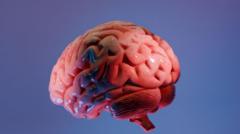
Indian scientists have unveiled a comprehensive brainstem atlas, providing an unprecedented map of one of the brain's least explored regions. This detailed mapping effort aims to shed light on the complex neural pathways and functions within the brainstem, a critical area for controlling essential life functions. The project, spearheaded by researchers at the National Brain Research Centre (NBRC) in India, utilized advanced imaging techniques and computational analysis to construct the atlas.
The brainstem, located at the base of the brain, connects the cerebrum and cerebellum to the spinal cord. It plays a vital role in regulating breathing, heart rate, sleep, and consciousness. Despite its crucial importance, the intricate circuitry and cellular organization of the brainstem have remained largely enigmatic due to its small size and deep location within the skull. The new atlas represents a significant leap forward in neuroscience, offering a detailed neuroanatomical reference for researchers worldwide.
The NBRC team employed a multi-modal approach, integrating data from various sources to build the atlas. This included high-resolution microscopy of post-mortem brain tissue and advanced diffusion tensor imaging (DTI) to trace neural connections. The resulting map categorizes different nuclei and fiber tracts within the brainstem, providing a standardized framework for studying its structure and function. This resource is expected to accelerate research into neurological disorders that affect brainstem function, such as Parkinson's disease, ALS, and certain types of stroke.
This initiative is part of a broader push in India to advance neuroscience research and develop indigenous capabilities in brain mapping. The atlas is intended to be an open-access resource, allowing neuroscientists, clinicians, and computational biologists to utilize its detailed information. By providing a clearer understanding of the brainstem's architecture, the scientists hope to unlock new therapeutic strategies and diagnostic tools for a range of debilitating conditions.
Original source — read the full reporting at the publisher:
Read on BBC World NewsGet the weekly AI digest
AI news + new model releases, weekly. Drafted by our agents, reviewed by humans.