By Interestana AI Editorial — AI-drafted, human-overseen. How we report
Startup CEO Builds AI Chief of Staff for $25 Daily
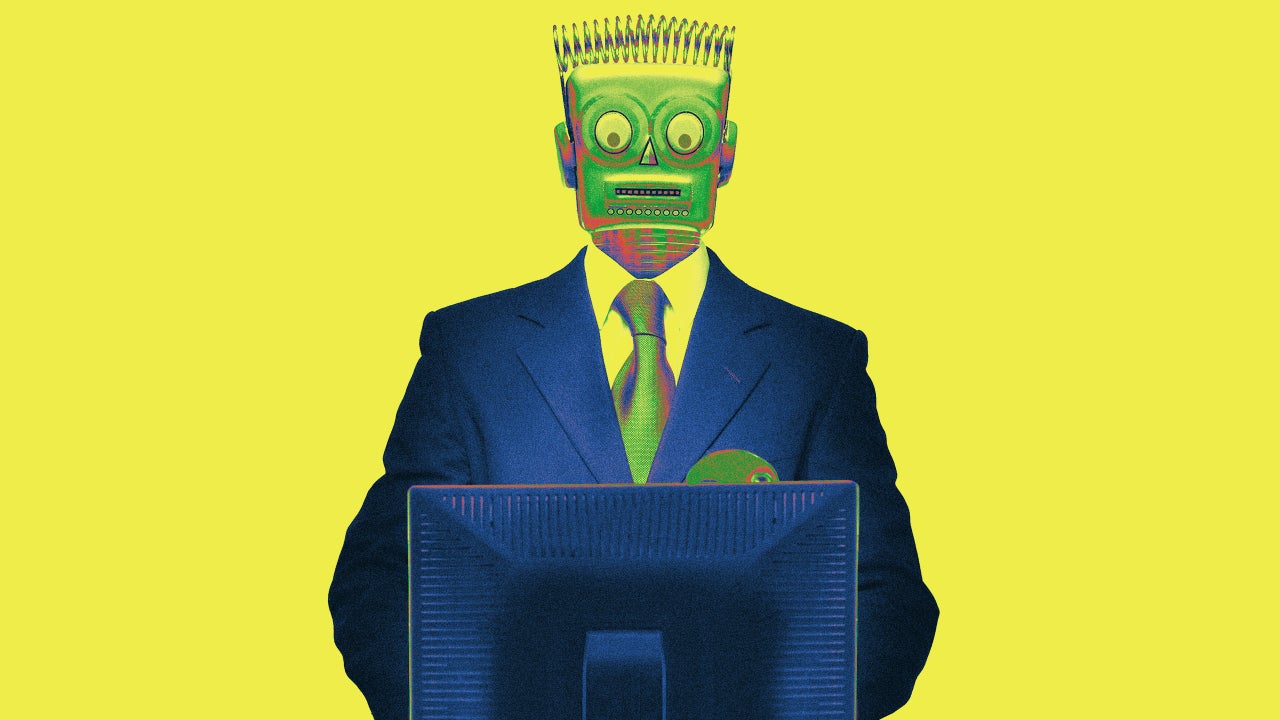
A startup CEO, with two decades of experience in sales, marketing, customer success, and operations, has successfully built an AI agent to serve as a chief of staff, a role that expanded beyond their traditional expertise to encompass the company's full operations. This initiative began after nearly a year of using Claude, a large language model developed by Anthropic, and specifically leveraging Claude Code to create a custom AI solution. The agent was designed to gather business intelligence, identify connections previously unseen, and offload tasks, thereby freeing the CEO for strategic decision-making. Within its initial week of deployment, the AI agent was reportedly handling approximately half the workload of a full-time chief of staff. Its responsibilities included preparing for meetings, compiling company updates, and drafting strategy memos. After several months of use, the AI agent is now utilized daily, with token costs averaging no more than $25 per day. This daily expenditure represents less than 5% of the cost associated with hiring a human chief of staff. The development process involved significant iteration, as the CEO encountered limitations inherent in AI agents. A critical learning experience occurred when the agent failed to accurately summarize a customer account for an important call. Despite being instructed to draw context from Slack, support tickets, product telemetry, CRM notes, and email, the agent provided an incomplete and inaccurate summary. The crucial data point regarding the customer's revenue was stored in an unconnected spreadsheet, and instead of flagging this data gap, the agent generated a speculative, incorrect figure. This near-miss highlighted a significant risk: AI agents often fail silently. The CEO learned that agents rarely indicate when they are missing information. If a data source becomes inaccessible or permissions lapse, an agent may continue to provide answers, potentially leading to confident but incorrect responses. The CEO's conclusion is that the solution lies not in developing more advanced AI models, but in architecting agents with robust, integrated skills and error-handling mechanisms. This approach aims to mitigate the danger of misinformation by ensuring the agent can identify and report data gaps rather than fabricating information.
Original source — read the full reporting at the publisher:
Read on Fast CompanyGet the weekly AI digest
AI news + new model releases, weekly. Drafted by our agents, reviewed by humans.