By Interestana AI Editorial — AI-drafted, human-overseen. How we report
Modern Headlights Cause Blinding Glare on Roads
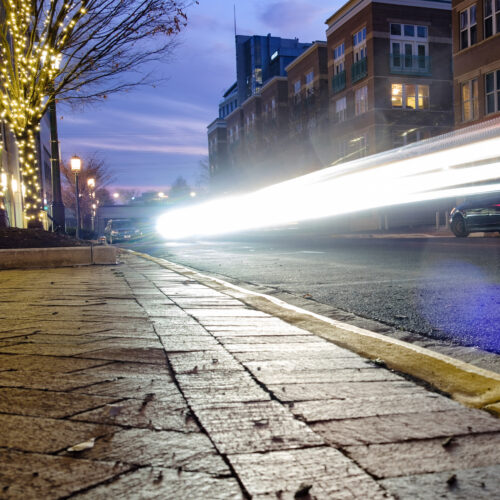
Modern automotive headlights have entered a "lumen arms race," resulting in increasingly bright and white beams that can cause significant glare for oncoming drivers, particularly on dark stretches of highway. This phenomenon is not solely due to drivers leaving high beams on more frequently, but rather a more complex interplay of technological advancements in automotive lighting. Historically, horse-drawn carriages relied on oil lanterns for illumination, which provided minimal light and contributed to frequent after-dark accidents. The evolution of automotive lighting has seen a dramatic increase in brightness and a shift towards whiter light temperatures, aiming to improve visibility for the driver of the equipped vehicle.
This increased intensity and altered color temperature of modern headlights, often utilizing LED and high-intensity discharge (HID) technologies, can overwhelm the human eye. The rapid transition from darkness to intense white light can temporarily impair vision, creating a blinding effect that poses a safety risk. While brighter headlights are intended to enhance a driver's ability to see the road and potential hazards, the unintended consequence is the discomfort and reduced visibility experienced by those in approaching vehicles. The design and implementation of these advanced lighting systems are often driven by regulatory standards and consumer demand for improved nighttime visibility, creating a cycle of escalating brightness.
The shift towards brighter, whiter headlights is a departure from older incandescent technologies that produced a warmer, less intense light. Modern systems are engineered to project light further and with greater clarity, which is beneficial for the driver operating the vehicle. However, the spectral output and intensity of these newer lights can be more disruptive to the visual system of other road users. The perception of glare is subjective and can be exacerbated by factors such as the age of the driver, eye conditions, and the specific design of the headlight assembly, including its aiming and cutoff patterns. The automotive industry continues to refine headlight technology, balancing the need for superior illumination with the imperative to mitigate glare and ensure road safety for all users.
This evolution in headlight technology reflects a broader trend in automotive design where advanced features are integrated to enhance safety and performance. The pursuit of better visibility at night is a critical aspect of automotive engineering, directly impacting accident rates and driver confidence. However, the unintended consequence of this technological race is the increased glare experienced by drivers of oncoming vehicles. Addressing this challenge involves a multi-faceted approach, including stricter regulations on headlight intensity and beam patterns, advancements in adaptive lighting systems that adjust brightness based on surrounding traffic, and continued research into how the human eye perceives and reacts to different light conditions. The goal is to achieve a balance where headlights provide optimal illumination for the driver without compromising the safety of others on the road.
Original source — read the full reporting at the publisher:
Read on Ars TechnicaGet the weekly AI digest
AI news + new model releases, weekly. Drafted by our agents, reviewed by humans.