By Interestana AI Editorial — AI-drafted, human-overseen. How we report
France Wildfires Threaten Aerospace and Defense Sites
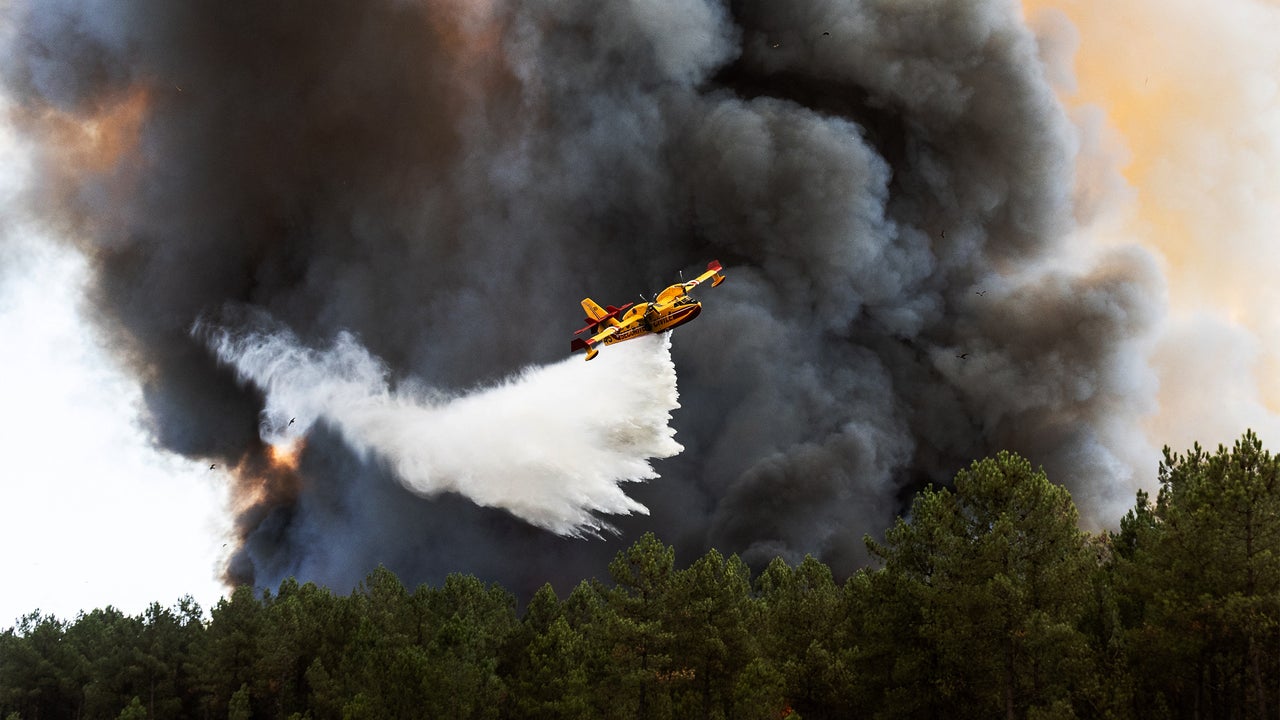
Record-breaking wildfires in France this week have neared a significant hub of aerospace and defense industry sites, posing a direct threat to facilities housing rocket fuel and missiles. This incident highlights a growing trend where climate change impacts, specifically extreme weather events like wildfires, directly endanger critical defense infrastructure. The proximity of these fires to sensitive military production and storage facilities raises national security concerns, as articulated by experts who view climate change as a significant security issue requiring proactive preparation from military and defense organizations worldwide.
This is not an isolated event. In 2023, wildfires in Greece reached an ammunition depot, triggering a series of explosions. The United States military has also experienced substantial climate-related disruptions. According to reports, climate impacts such as flooding, wildfires, drought, and extreme winds have affected approximately half of the U.S. military's over 3,500 global sites. For instance, a naval shipyard in Norfolk, Virginia, has experienced nine major floods within a decade. Bases in California have been evacuated due to wildfires, and a missile-tracking site located in the Pacific is projected to become uninhabitable and unusable by 2035. These examples collectively illustrate the escalating collision between a warming planet and the defense industry.
Sherri Goodman, secretary general of the International Military Council on Climate and Security and a former U.S. Deputy Undersecretary of Defense for Environmental Security, described the situation as a "double whammy" of safety concerns. She explained that the fires present a regional threat, compounded by the added peril of toxic and hazardous chemicals associated with rocket propellant and other defense activities located within the affected areas. While these sites likely have contingency plans, including firebreaks, the increasing intensity and frequency of wildfires due to climate change necessitate a re-evaluation of preparedness strategies. The potential for these hazardous materials to be released or ignited adds a layer of complexity and danger beyond typical wildfire responses.
The implications extend beyond immediate physical threats. The need to protect and potentially relocate defense assets, coupled with the costs associated with climate-related damage and adaptation, represents a significant financial and strategic burden on national defense budgets. Furthermore, the disruption of supply chains and production capabilities for defense equipment due to climate events can have far-reaching geopolitical consequences. As the planet continues to warm, military installations and defense industrial bases globally will face increasing risks, underscoring the urgent need for comprehensive climate adaptation and mitigation strategies within the defense sector.
Original source — read the full reporting at the publisher:
Read on Fast CompanyGet the weekly AI digest
AI news + new model releases, weekly. Drafted by our agents, reviewed by humans.