By Interestana AI Editorial — AI-drafted, human-overseen. How we report
SpaceX IPO Tests Founder Control vs. Public Markets
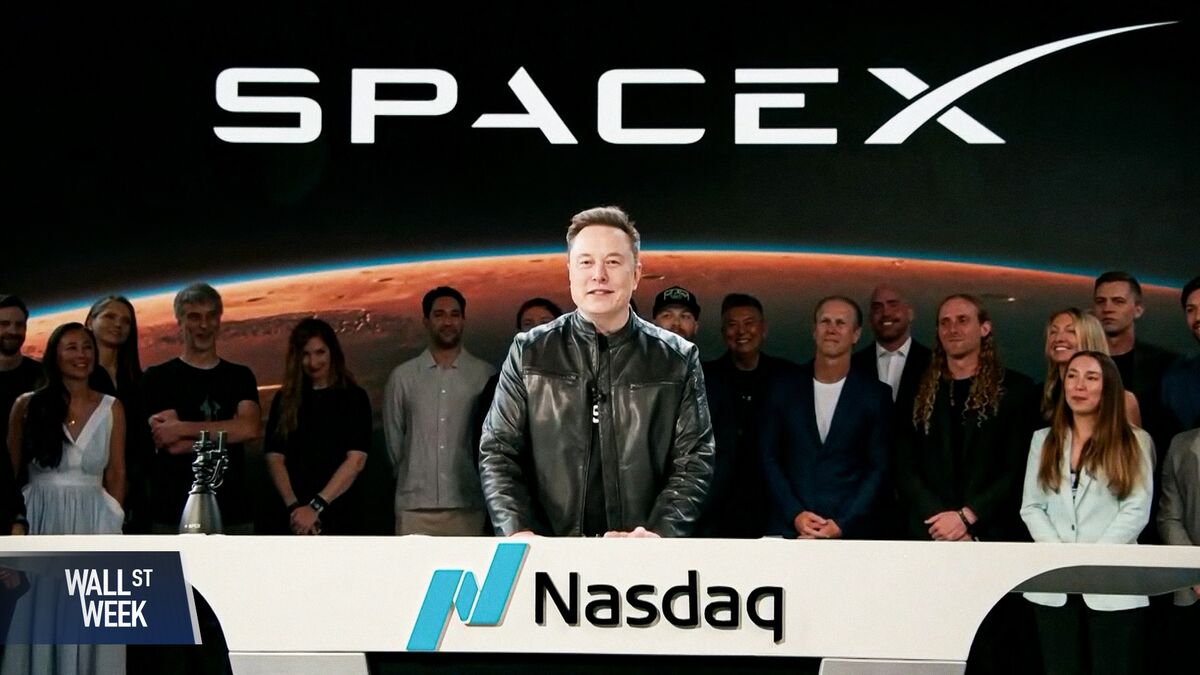
SpaceX's initial public offering (IPO) has provided public investors access to one of the world's most valuable private companies, but with a significant caveat regarding voting rights. CEO Elon Musk retains control over more than 80% of the company's voting power, despite holding just over 40% of its equity. This structure, which involves dual-class shares, is designed to shield founders from short-term market pressures, according to IPO adviser Lise Buyer.
However, this level of founder control is drawing criticism. Harvard Law School professor Lucian Bebchuk has raised concerns that SpaceX's governance structure extends far beyond typical arrangements, potentially increasing risks related to accountability, leadership succession, conflicts of interest, and overall shareholder value. The company's approach is becoming a significant test case for the public market's tolerance for concentrated founder control.
Investor sentiment is already showing signs of division. Some institutional investors, such as the Danish pension fund AkademikerPension, have publicly stated their rejection of SpaceX's stock due to what they describe as "catastrophic governance." This stance highlights a growing debate about the balance between empowering visionary founders and ensuring robust corporate governance standards for publicly traded entities.
Original source — read the full reporting at the publisher:
Read on Bloomberg MarketsGet the weekly AI digest
AI news + new model releases, weekly. Drafted by our agents, reviewed by humans.