By Interestana AI Editorial — AI-drafted, human-overseen. How we report
How Dolly Parton’s ‘9 to 5’ Gave Voice to Working Women
In the mid-1970s, amidst the fervent energy of the second-wave feminist movement, a collective of women in Boston established a crucial forum. This initiative provided a space for working-class women to openly share their experiences within the corporate environment. As they convened and exchanged narratives, a striking pattern of shared grievances emerged. "They all had stories to tell of not being paid as much as men in their offices, of having their male supervisors take their ideas and take credit for them," explains Ileen DeVault, a distinguished professor of labor history at Cornell University’s School of Industrial and Labor Relations. This academic institution is renowned for its focus on the intersection of labor, management, and societal impact.
Beyond mere commiseration, these women were driven by a desire to translate their burgeoning solidarity into tangible improvements in their professional standing. Their collective efforts began to focus on organizing office workers and secretaries, a movement that eventually solidified into a formal labor organization known as SEIU Local 925. The Service Employees International Union (SEIU) is a powerful labor union representing healthcare, public, and property service workers across the United States, Canada, and Puerto Rico, and Local 925 specifically focused on professional and clerical employees.
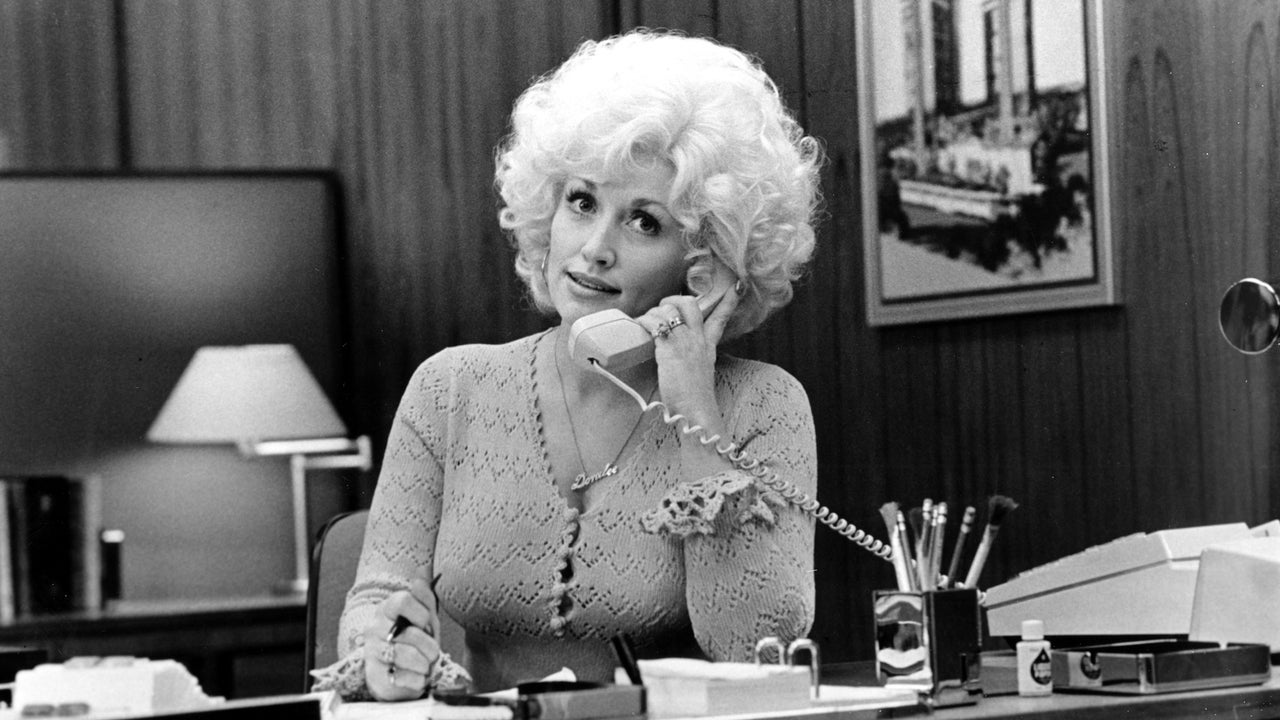
This significant organizing campaign did not go unnoticed. It captured the attention of acclaimed actress Jane Fonda, a prominent figure in both Hollywood and social activism. Fonda was so inspired by the women's efforts that it directly led to the creation of the 1980 film "9 to 5." The movie proved to be a monumental commercial and cultural success, marking the first major acting role for the legendary country music superstar Dolly Parton. Parton starred alongside Fonda and Lily Tomlin, another celebrated actress known for her comedic and dramatic prowess. Parton's contribution extended beyond her on-screen performance; she famously penned and performed the titular theme song for the film. This song achieved widespread acclaim, earning multiple Grammy awards and evolving into an enduring anthem for working women across generations.
Reflecting on the opportunity, Parton herself recognized the film's potential impact, stating in a 1980 interview with Rolling Stone that she "knew instantly that I should do it—I knew that it was a career move." In the film, Parton embodied Doralee Rhodes, a secretary subjected to the persistent harassment of a chauvinistic boss. She forms an unlikely alliance with two other women in the company: Judy Bernly (Fonda), a new employee navigating the aftermath of a divorce, and Violet Newstead (Tomlin), a long-serving employee who has been repeatedly passed over for promotions. The film's narrative takes a decidedly fantastical turn as the three women conspire to kidnap their oppressive boss. Following this dramatic intervention, they embark on a mission to rectify systemic injustices within their workplace, successfully advocating for equal pay for their colleagues and even securing the establishment of an on-site daycare facility. Professor DeVault underscored the film's profound impact, noting, "What was really amazing about the movie was that they took these very real stories of women in the workplace." By translating these authentic struggles into a widely accessible and entertaining medium, "9 to 5" amplified the voices and concerns of countless working women, solidifying its place in cultural history.
Original source — read the full reporting at the publisher:
Read on Fast CompanyGet the weekly AI digest
AI news + new model releases, weekly. Drafted by our agents, reviewed by humans.