By Interestana AI Editorial — AI-drafted, human-overseen. How we report
Deep Sea Expedition Explores Earth's Last Frontier
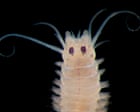
Film-maker Eleanor Mortimer's documentary, "How Deep Is Your Love," chronicles a scientific expedition to the deep Pacific Ocean, exploring what is described as Earth's last frontier of exploration. The film accompanies marine biologists as they observe, describe, and classify the unique creatures inhabiting the freezing-cold waters at depths of approximately 5,000 meters. These organisms include the visually striking "blobby little sea pigs" and bioluminescent "sea cucumbers" that appear alien in their appearance. Mortimer's narration reveals that an estimated 90% of life in the deep sea remains unclassified and unnamed by science. The expedition, focused on the eastern Pacific, utilized a robot submersible that took four hours to descend four kilometers to the ocean floor. Once at its destination, the robot's grabber claw was employed to collect specimens. According to a biologist featured in the film, approximately 80% of the samples retrieved from the ocean floor are new to scientific understanding. A significant pleasure derived from watching the documentary is witnessing the genuine awe and wonder on the faces of the scientists as they encounter these previously unknown species. The process of officially naming a newly discovered species can be a lengthy endeavor, often taking several years. In the interim, scientists assign them memorable and descriptive temporary names, such as the "Headless Chicken Monster" and the "Psychedelic Elvis Worm." The documentary implicitly raises concerns about the future of these newly discovered ecosystems, as the film notes that these abundant deep-sea creatures are threatened by activities such as sea mining. This highlights a critical tension between scientific discovery and industrial exploitation of the ocean's resources. The film's narrative structure, following Mortimer's journey with the scientific team, aims to immerse the audience in the challenges and triumphs of deep-sea research, emphasizing the vastness of the unknown and the importance of conservation efforts for these fragile environments. The expedition's findings underscore the significant biodiversity that exists in the deep ocean, much of which remains undiscovered and unstudied, making it a crucial area for ongoing scientific investigation and protection.
Original source — read the full reporting at the publisher:
Read on The Guardian CultureGet the weekly AI digest
AI news + new model releases, weekly. Drafted by our agents, reviewed by humans.