D.C. Image Debates Precede 250th Anniversary
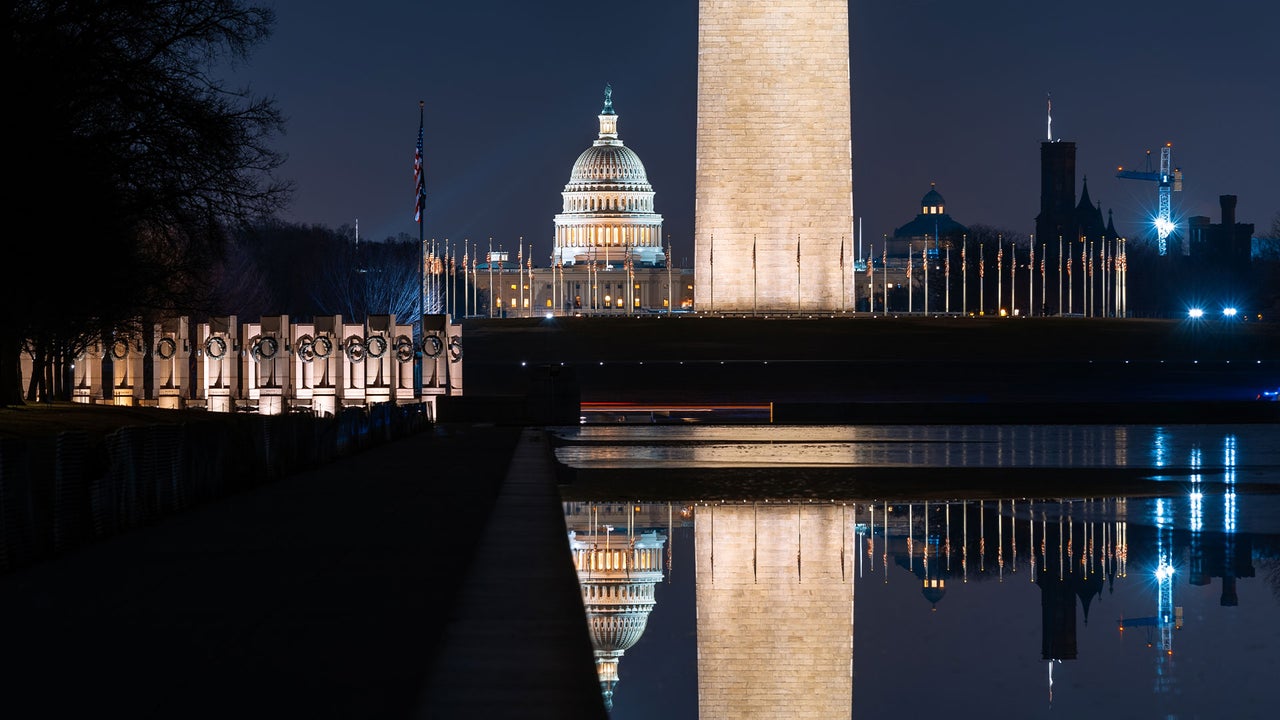
Discussions regarding the visual presentation and visitor experience in Washington, D.C. have become prominent as the United States approaches the 250th anniversary of the Declaration of Independence. Former President Donald J. Trump has advocated for significant renovations to the capital city, proposing projects such as repainting the Lincoln Memorial Reflecting Pool, demolishing the East Wing of the White House to construct a ballroom, and erecting a 250-foot "triumphal arch" near Arlington National Cemetery. These proposals suggest a focus on the city's aesthetic appearance, which the author, a scholar of U.S. presidential rhetoric and political communication, argues is a recurring theme in the city's history.
The preoccupation with cultivating Washington, D.C.'s image is not a recent phenomenon but is deeply embedded in the city's origins. Early U.S. political leaders intentionally designed the capital to project a specific image to both citizens and international visitors. In March 1791, French architect Pierre Charles L'Enfant, after surveying the land designated for the capital, reported to George Washington on the "elligible position" for a grand city. L'Enfant envisioned that "Every Grand building would rear with a majestik aspect over the Country all round and might be advantageously seen From twenty miles off." This perspective highlights the foundational intent to make the city visually impressive and visible from a distance.
L'Enfant's design for Washington, D.C. incorporated a grid system centered around key landmarks such as the White House, the U.S. Capitol, and the National Mall. This deliberate layout was intended to create a sense of order and grandeur, reinforcing the symbolic importance of these national institutions. The historical emphasis on the city's appearance underscores a long-standing tradition of using the capital's design and visual elements as a tool for political communication and national identity.
Original source — read the full reporting at the publisher:
Read on Fast Company